Exploring Sicily's Rich Heritage Through Immersive Tours
Sicily, the largest island in the Mediterranean Sea, is a captivating tapestry woven from the threads of countless civilizations. Its strategic position has made it a crossroads for millennia, attracting Greeks, Romans, Byzantines, Arabs, Normans, Swabians, Angevins, Aragonese, and Bourbons. Each culture left an indelible mark, resulting in an extraordinary archaeological, architectural, and artistic legacy. For those eager to delve into this profound history, heritage tours offer a curated path to understanding Sicily's complex and vibrant past, providing context and access to sites that might otherwise be overlooked.
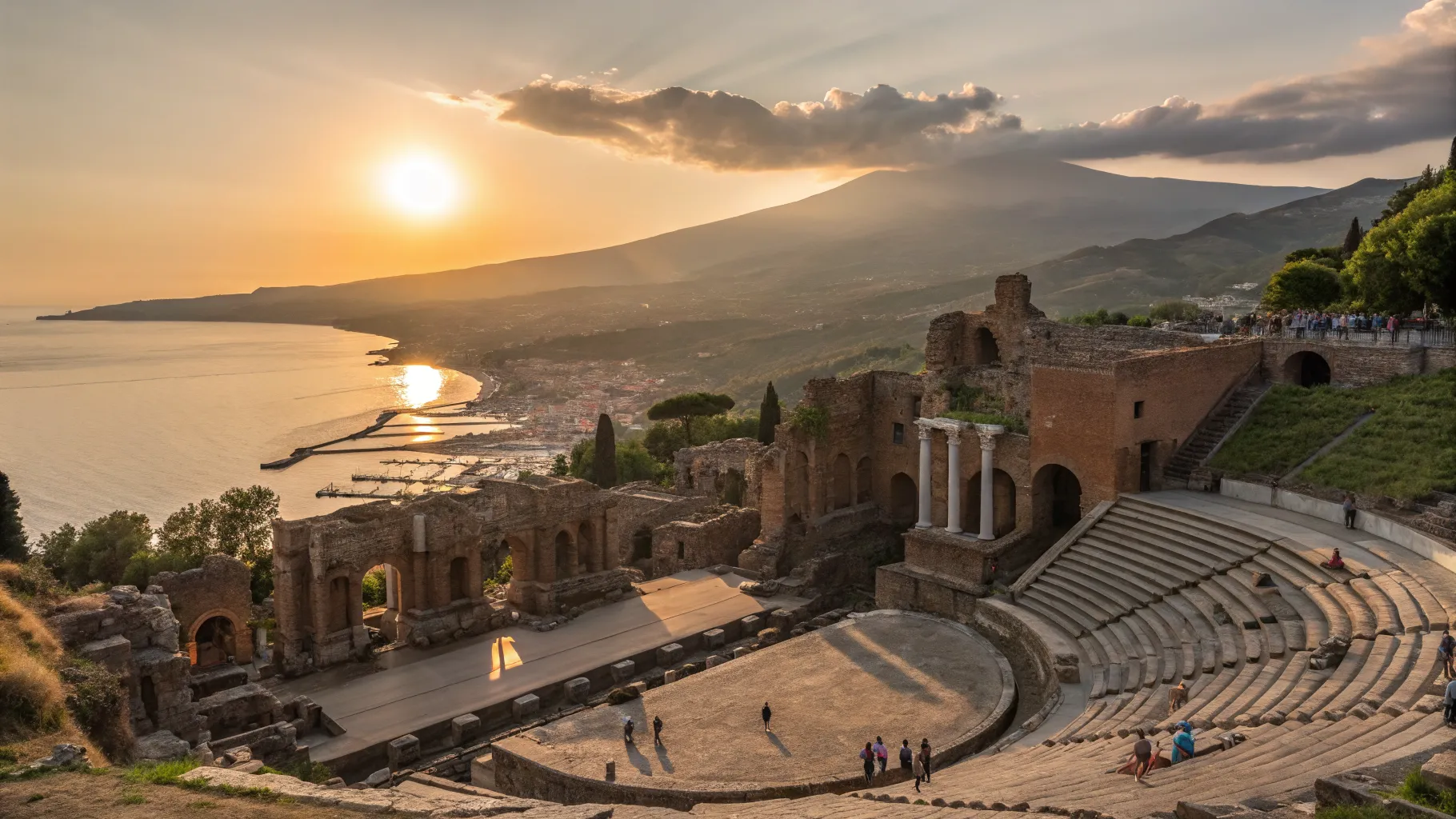
The Allure of Sicily's Past
Sicily's heritage is not merely a collection of ruins but a living narrative that echoes through its ancient cities, grand cathedrals, and intricate mosaics. A heritage tour often encompasses a variety of historical periods, allowing visitors to witness the dramatic shifts in power and culture that shaped the island. From the dramatic coastal landscapes to the fertile volcanic plains, the history of Sicily is deeply intertwined with its geography.
These tours are designed to bring history to life, often led by knowledgeable guides who can elaborate on the significance of each site, share compelling stories, and highlight details that might escape the casual observer. They offer a structured approach to exploring an island where every corner seems to hold a piece of history, ensuring that visitors gain a comprehensive understanding of its unique cultural blend.
Tracing Ancient Roots: Greek and Roman Influences
The Greek colonization of Sicily, beginning in the 8th century BCE, established some of the most influential cities of Magna Graecia. Heritage tours frequently visit iconic sites such as the Valley of the Temples in Agrigento, where remarkably preserved Doric temples stand as majestic testaments to ancient Greek engineering and artistry. Syracuse, once the most powerful city in the ancient world, offers the Archaeological Park of Neapolis, home to a Greek theater, a Roman amphitheater, and the Ear of Dionysius.
Roman presence, following the Punic Wars, transformed Sicily into a vital agricultural province. The Villa Romana del Casale near Piazza Armerina showcases some of the finest and most extensive Roman mosaics in the world, depicting daily life, mythological scenes, and hunting expeditions with astonishing detail. These sites are crucial stops for anyone seeking to understand the foundational layers of Sicilian history.
Norman and Byzantine Legacies
Following a period of Byzantine rule and Arab conquest, Sicily entered a golden age under the Normans in the 11th and 12th centuries. The Norman kings fostered a unique blend of Latin, Greek, and Arab cultures, resulting in an architectural style known as Arab-Norman. Palermo, the island's capital, is a prime example of this fusion, with sites like the Palazzo dei Normanni (Norman Palace) and its stunning Cappella Palatina (Palatine Chapel), renowned for its Byzantine mosaics.
Other essential stops include the magnificent Duomo of Monreale, a UNESCO World Heritage site celebrated for its vast interior covered in shimmering gold mosaics depicting biblical scenes. These sites not only display architectural grandeur but also tell stories of religious tolerance and cultural synthesis, offering a deep insight into a unique medieval kingdom.
Baroque Masterpieces and Sicilian Towns
The devastating earthquake of 1693 led to a remarkable period of reconstruction in southeastern Sicily, giving rise to some of the most exquisite examples of Sicilian Baroque architecture. Towns like Noto, Modica, and Ragusa Ibla, also UNESCO World Heritage sites, were rebuilt with dramatic flair, featuring ornate facades, elaborate balconies, and grand piazzas. A heritage tour focused on this period allows visitors to walk through perfectly preserved streetscapes that feel like open-air museums.
Exploring these towns involves appreciating the intricate details of their churches and palaces, understanding the urban planning that shaped their unique character, and experiencing the slower pace of life that still defines them. These Baroque gems offer a contrasting yet equally rich historical experience to the ancient Greek and Roman sites.
Understanding Tour Types and What to Expect
Heritage tours in Sicily vary widely in length, focus, and group size. Travelers can choose from multi-day excursions covering the entire island, specialized tours concentrating on specific historical periods like Greek Sicily or Baroque Sicily, or day trips to particular sites from major cities. Options include:
- Group Tours: Often more economical, these tours follow a set itinerary with a guide and transportation provided. They are a good option for those who enjoy social interaction and a structured schedule.
- Private Tours: Offering flexibility and personalization, private tours cater to individual interests and pace. They can be tailored to focus on specific themes or regions, providing a more intimate experience.
- Self-Guided Tours with Resources: Some travelers prefer to explore independently but utilize detailed guidebooks or audio guides to enhance their understanding of historical sites.
Regardless of the type, expect tours to involve significant walking, especially at archaeological parks and within historic town centers. Comfortable footwear is essential, along with sun protection during warmer months.
Planning Your Heritage Journey
When planning a heritage tour in Sicily, several factors can influence the experience. The best time to visit is typically during the spring (April to June) or fall (September to October) when the weather is pleasant for exploring outdoor sites and the crowds are generally smaller than in peak summer. Booking tours in advance, especially during popular seasons, is advisable to secure preferred dates and guides.
Consider what aspects of Sicilian history resonate most with you. Do you wish to focus on ancient civilizations, medieval kingdoms, or more recent artistic movements? Many tours combine elements, but some specialize, offering a deeper dive into a particular era. Reading reviews and comparing itineraries can help ensure the chosen tour aligns with personal interests and expectations. Understanding basic Italian phrases can also enhance interactions with locals, though guides are usually fluent in English.
Authored by 24Trendz team