Exploring Military-Surplus Power Generators for Off-Grid and Backup Power
Military-surplus power generators represent a unique segment in the market for robust, reliable power solutions. Built to withstand extreme conditions and perform under pressure, these generators often offer a level of durability not always found in standard commercial models. They are commonly sought after by individuals and organizations looking for dependable backup power, remote site energy, or off-grid living solutions, leveraging their reputation for longevity and straightforward operation.
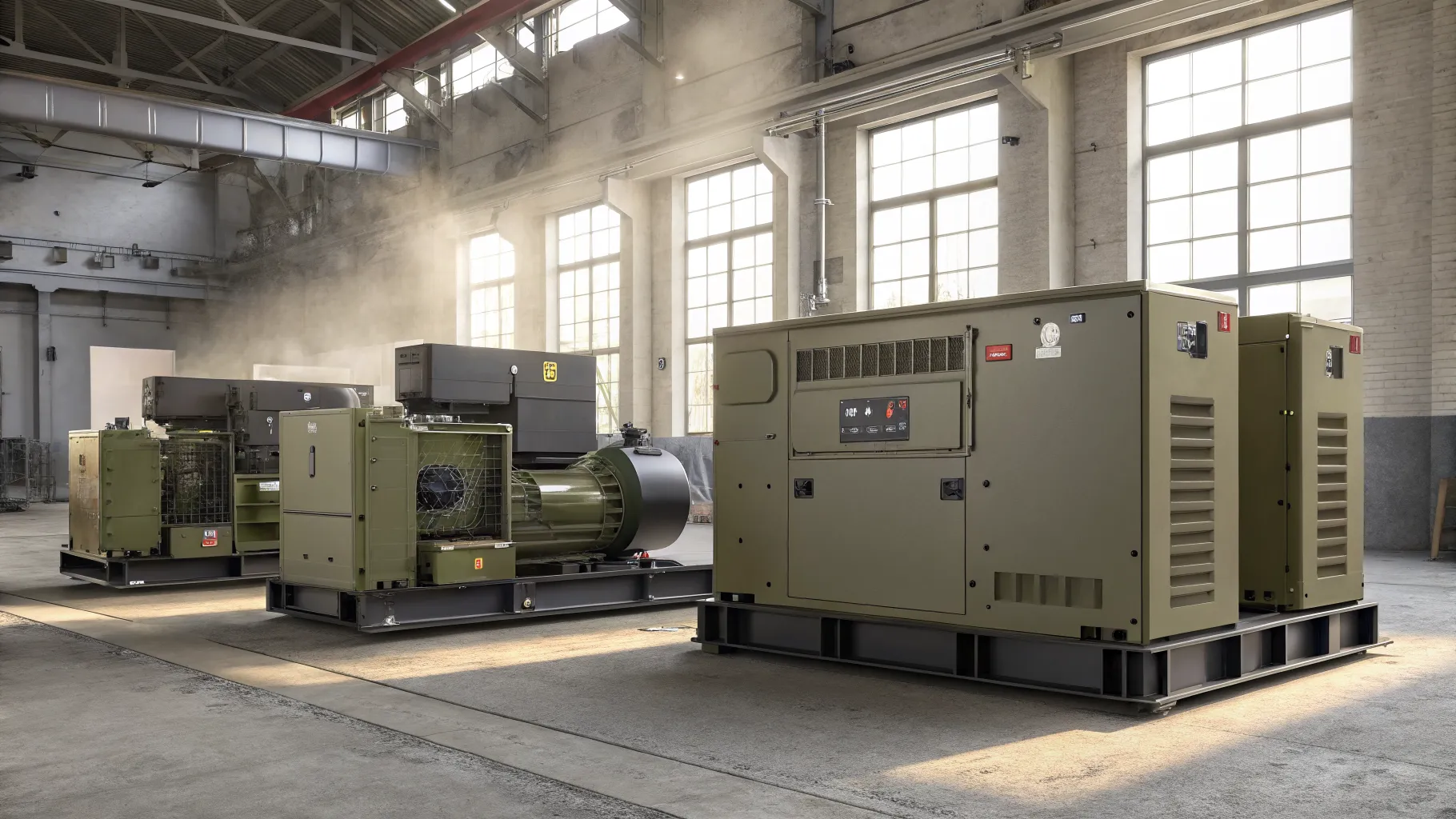
The Appeal of Military-Surplus Generators
The primary draw of military-surplus generators lies in their inherent design specifications. These units were constructed for demanding operational environments, prioritizing reliability, ruggedness, and ease of field maintenance over aesthetic appeal or cutting-edge fuel efficiency. This makes them exceptionally well-suited for situations where consistent power is critical and environmental conditions may be harsh.
Many users appreciate the 'overbuilt' nature of these generators. They often feature heavy-duty frames, industrial-grade components, and simplified electrical systems designed for durability and longevity. For applications such as powering remote cabins, providing emergency backup during outages, or supporting construction sites, this robust construction translates to a potentially long service life.
Understanding Different Types and Models
Military-surplus generators come in various configurations, primarily categorized by their fuel type and power output. Diesel generators are by far the most common in military surplus, known for their fuel efficiency, torque, and robust engine design. However, gasoline and even multi-fuel units can sometimes be found, though less frequently.
One widely recognized series is the MEP (Military Engineer Portable) series, which includes models ranging from small portable units delivering a few kilowatts to large trailer-mounted generators capable of outputs exceeding 100 kW. These generators often feature standard military connectors, which may require adapters for civilian use, and can operate in both single-phase and three-phase configurations, depending on the specific model and its intended application.
Key Advantages and Disadvantages
Opting for a military-surplus generator presents several clear advantages. Their legendary durability and reliability mean they are often capable of providing years of service if properly maintained. They can also represent a significant cost saving compared to purchasing a new commercial generator of comparable power and build quality. Furthermore, their simpler designs can sometimes make them easier for mechanically inclined individuals to repair.
However, there are also notable disadvantages to consider. Military generators are typically heavy and bulky, making transportation and placement challenging without proper equipment. Many models can be quite noisy during operation, and older units may not be as fuel-efficient or emissions-compliant as modern commercial alternatives. Parts availability, particularly for very old or obscure models, can also be a challenge, requiring diligent sourcing from specialized suppliers.
What to Inspect Before Purchasing
Before committing to a military-surplus generator, a thorough inspection is crucial. Begin by examining the physical condition for signs of significant rust, dents, or structural damage to the frame and housing. Check for fluid leaks around the engine and fuel tank, which could indicate worn seals or hoses. Always inquire about the generator's operational hours, as a lower hour count generally suggests less wear and tear.
If possible, insist on seeing the unit run under a load. This is the best way to verify that it starts reliably, maintains stable voltage and frequency, and does not exhibit unusual noises or excessive smoke. Pay close attention to the engine's sound, the cleanliness of the exhaust, and the condition of electrical connections and gauges. Any available service records or maintenance history will also provide valuable insights into its past care.
Where to Find Military-Surplus Generators
Several avenues exist for finding military-surplus power generators. Government auction sites, such as GSA Auctions, are a primary source where excess military equipment is sold to the public. These auctions can offer competitive pricing, but units are typically sold 'as-is' with little to no warranty.
Specialized military surplus dealers are another excellent option. These businesses often acquire generators in bulk, sometimes refurbish them, and may offer limited warranties or provide access to parts and technical support. Online classifieds and auction platforms can also list military generators, but require extra caution to verify the seller's legitimacy and the unit's condition.
Maintenance and Operational Considerations
Owning a military-surplus generator requires a commitment to regular maintenance, similar to any other heavy machinery. This includes routine oil changes, replacement of fuel and air filters, and periodic inspection of belts, hoses, and electrical connections. Given that many surplus units are diesel-powered, proper fuel storage and conditioning are essential to prevent issues like fuel gelling or microbial growth.
It is also advisable to periodically run the generator under a reasonable load to keep all components lubricated and functioning correctly. For older models, understanding the specific maintenance schedule and specifications, often found in original military technical manuals (TMs), is invaluable. Sourcing replacement parts might involve searching specialized online forums, military surplus parts suppliers, or cross-referencing commercial equivalents.
Transportation and Setup Logistics
The considerable weight and dimensions of many military-surplus generators necessitate careful planning for transportation and setup. Large units often require a flatbed truck, trailer, or specialized lifting equipment like a forklift or crane. Prior to moving, ensure the unit is properly secured to prevent shifting or damage during transit.
Once on site, proper setup is crucial for safe and efficient operation. Generators must be placed on a level, stable surface, ideally within a well-ventilated area to safely dissipate exhaust fumes. Adequate grounding is paramount for electrical safety, protecting both the equipment and users from potential hazards. Depending on local regulations and the intended use, permits may be required for installation, especially for permanent or semi-permanent setups connected to a building's electrical system.
Authored by 24Trendz team