Exploring Europe's Waterways: A Comprehensive Guide to River Cruises
European river cruises provide an immersive travel experience, allowing passengers to glide through the heart of the continent and uncover its many treasures. These voyages are celebrated for their convenience, comfort, and the unparalleled access they offer to historical sites and cultural hubs, often docking directly in city centers. Travelers can unpack once and wake up to a new, captivating view each day, making it an appealing option for those seeking both relaxation and discovery.
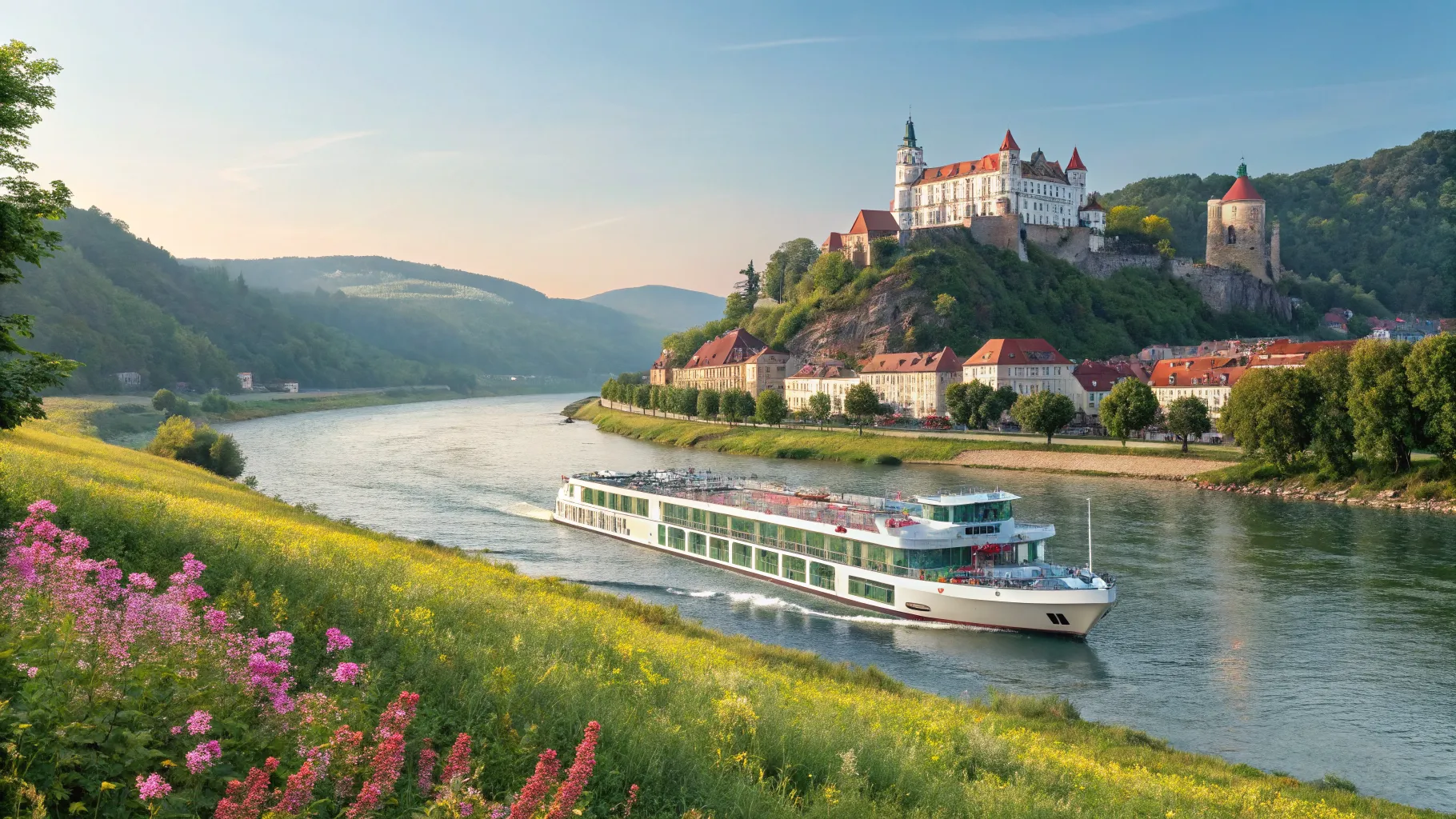
Understanding European River Cruises
A European river cruise typically involves traveling on a purpose-built ship designed to navigate shallower waters and fit under low bridges. These vessels are generally smaller than ocean liners, fostering a more intimate atmosphere onboard. The experience focuses heavily on the destination, with itineraries often including daily excursions to historic towns, cultural landmarks, and natural attractions along the riverbanks.
Unlike ocean cruises that often involve extensive days at sea, river cruises are characterized by continuous scenic views as the ship makes its way from one port to the next. The journey itself becomes an integral part of the travel experience, with ever-changing panoramas visible from your cabin, the lounge, or the open-air deck.
Popular River Systems and Destinations
Europe boasts an extensive network of navigable rivers, each offering distinct experiences and attractions. The most renowned include the Danube, famous for connecting multiple capital cities like Vienna, Budapest, and Bratislava, and the Rhine, known for its fairytale castles and dramatic gorges.
Other popular rivers provide equally captivating journeys. The Seine offers a route through Normandy to Paris, the Douro winds through Portugal's renowned wine regions, and the Elbe traces the history of Germany and the Czech Republic. Each river cruise itinerary is carefully curated to highlight the unique charm and heritage of its specific region.
- Danube River: Central Europe, linking Austria, Hungary, Germany, and more; known for imperial cities and Christmas markets.
- Rhine River: Western Europe, traversing Switzerland, France, Germany, and the Netherlands; famous for medieval castles and wine regions.
- Seine River: France, connecting Paris with the Normandy coast; highlights include impressionist art sites and D-Day beaches.
- Douro River: Portugal, winding through terraced vineyards; celebrated for port wine tastings and picturesque valleys.
- Elbe River: Germany and Czech Republic, exploring Saxon Switzerland and historic cities like Berlin (via canal) and Prague.
Types of River Cruise Experiences
The variety of European river cruises available caters to diverse interests and budgets. Travelers can find options ranging from luxurious, all-inclusive journeys with gourmet dining and extensive shore excursions to more moderately priced cruises focusing on essential sightseeing. Many cruise lines offer themed sailings, such as wine cruises, culinary journeys, or special Christmas market cruises during the holiday season.
Seasonal variations also play a significant role in the type of experience. Spring cruises often highlight blooming landscapes and vibrant festivals, while summer offers longer daylight hours for exploration. Autumn brings stunning fall foliage and harvest celebrations, and winter transforms towns into festive holiday villages, making Christmas market cruises particularly popular.
What to Expect Onboard Your River Cruise
River cruise ships are designed for comfort and convenience. Cabins, while smaller than some ocean cruise suites, are typically well-appointed, often featuring large windows or French balconies to maximize views. Common amenities include comfortable beds, private bathrooms, and adequate storage.
Dining is usually a highlight, with meals often reflecting local cuisine and regional specialties. Most cruises include all meals, and often house wine, beer, and soft drinks with lunch and dinner. Onboard activities are generally more subdued than on ocean cruises, focusing on enrichment lectures, local entertainment, and social gatherings, complementing the daily excursions ashore.
Planning Your European River Cruise
Choosing the right time to go can greatly enhance your river cruise experience. The peak season runs from late spring to early autumn, offering pleasant weather and a full schedule of activities. However, shoulder seasons (April and October) can provide a more relaxed experience with fewer crowds and often lower prices, though weather can be more unpredictable.
When selecting a cruise, consider the itinerary, the included excursions, and the onboard amenities that align with your travel preferences. Reading reviews and comparing different cruise lines and their offerings will help ensure you choose a trip that meets your expectations for cultural immersion, relaxation, and overall value. It is advisable to book well in advance, especially for popular routes or specific themed cruises.
Packing Essentials and Travel Tips
Packing for a European river cruise generally requires a mix of casual and smart-casual attire. Comfortable walking shoes are essential for shore excursions, as much of the exploration involves walking on cobblestone streets or uneven terrain. Layers are also recommended, as temperatures can vary throughout the day and between regions.
Remember to bring any necessary medications, a universal travel adapter for electronics, and a small daypack for excursions. While most European countries use the Euro, having a small amount of local currency can be useful for smaller purchases in some regions. Familiarizing yourself with basic phrases in the local languages of the countries you will visit can also enhance your interactions and overall experience.
Environmental and Ethical Considerations
As with any form of travel, European river cruises have an environmental footprint. Many cruise lines are increasingly adopting sustainable practices, such as reducing single-use plastics, optimizing fuel efficiency, and implementing advanced waste management systems. When choosing a cruise, travelers might consider operators with clear commitments to environmental stewardship and responsible tourism.
Supporting local economies during shore excursions by patronizing local businesses and artisans also contributes to ethical travel. Being mindful of local customs and traditions, respecting natural environments, and minimizing your personal waste throughout the journey can help ensure that these beautiful waterways and their surrounding communities remain vibrant for future generations to enjoy.
Authored by 24Trendz team