Essential Minerals for Bone Density Loss Prevention in Seniors
Fast Facts:
- Over 50% of seniors are at risk for bone density issues.
- Trends show increasing awareness of proactive bone health management for seniors.
The Foundation of Strong Bones: Essential Minerals for Seniors
As we age, maintaining robust bone health becomes increasingly vital. Bone density loss, a natural part of aging, can significantly increase the risk of fractures and lead to conditions like osteoporosis. Understanding and incorporating essential minerals into a senior's diet is a proactive and critical step towards effective osteoporosis prevention and maintaining quality of life.
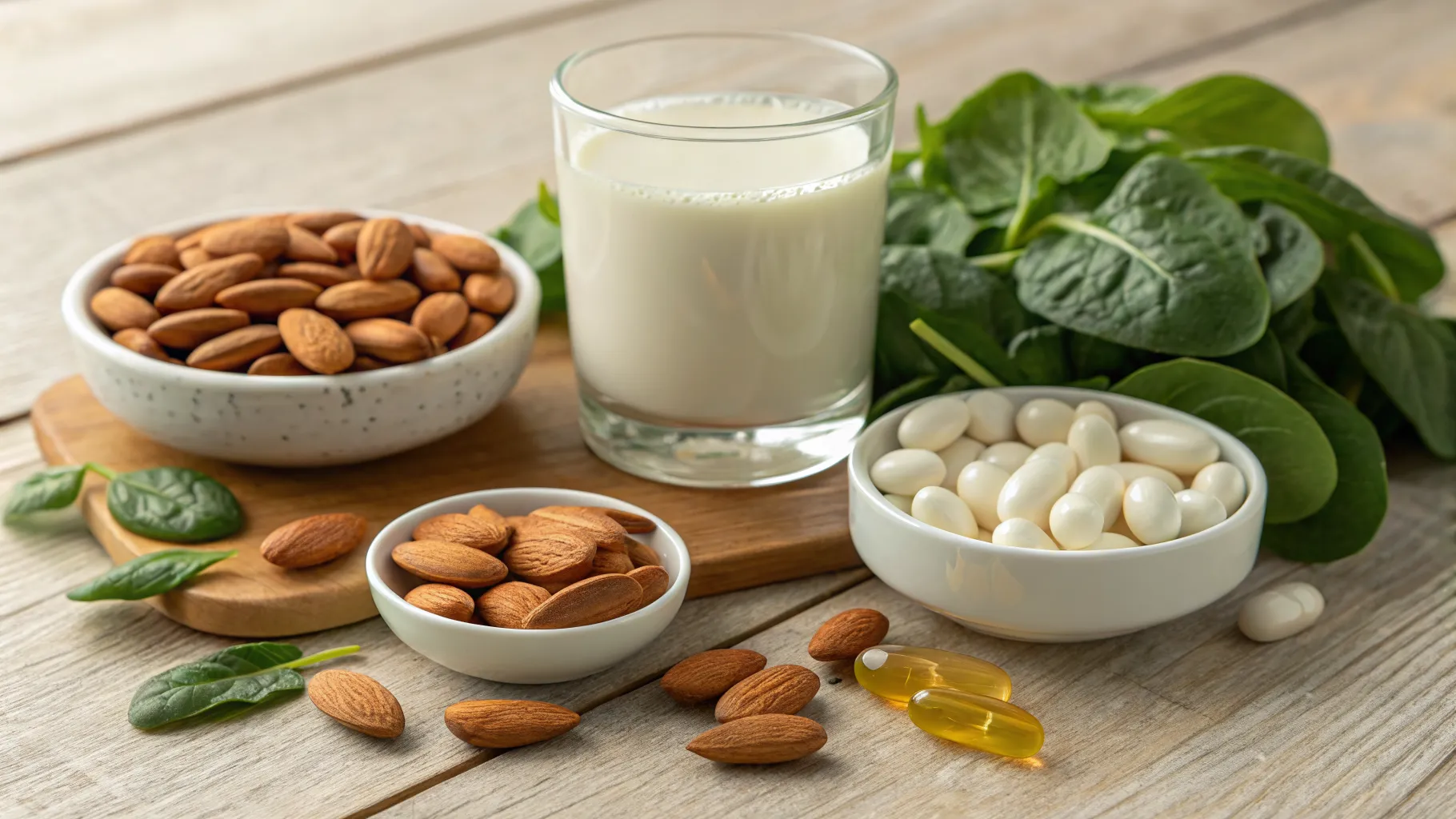
Understanding Bone Density Loss in Seniors
Bone density loss is a progressive condition where bones become weaker and more brittle, often silently advancing for years without symptoms until a fracture occurs. For seniors, this process accelerates, making it crucial to understand the underlying mechanisms and how nutrient deficiencies exacerbate the problem. The skeletal system is in a constant state of remodeling, with old bone tissue being removed and new tissue formed. With age, the balance shifts, with bone breakdown outstripping bone formation. This imbalance, compounded by inadequate intake of key minerals, makes seniors particularly vulnerable to bone health challenges.
The Crucial Role of Calcium for Bone Health
Calcium is undeniably the cornerstone of strong bones, acting as the primary building block for bone tissue. It is not just essential for structural integrity but also plays a vital role in nerve function, muscle contraction, and blood clotting. When dietary calcium intake is insufficient, the body leaches calcium from bones to maintain these critical physiological functions, directly contributing to bone density loss. Seniors require higher calcium intake compared to younger adults, making dietary sources such as dairy products, leafy greens, and fortified foods paramount. Supplementation of calcium for bone health may also be necessary if dietary intake falls short, always under medical guidance to optimize absorption and minimize potential side effects.
Vitamin D: Calcium's Essential Partner for Seniors
While calcium is the building material, vitamin D for seniors acts as the architect, enabling the body to absorb calcium from the gut and deposit it into the bones. Without adequate vitamin D, even a calcium-rich diet will not effectively support bone health, leading to calcium malabsorption and further weakening of bones. The body produces vitamin D when exposed to sunlight, but seniors often have reduced skin synthesis of vitamin D and spend less time outdoors, making them highly susceptible to deficiency. Dietary sources like fatty fish, fortified milk, and certain mushrooms provide some vitamin D, but supplementation is frequently recommended for optimal osteoporosis prevention, ensuring that calcium can be effectively utilized for bone strengthening.
Magnesium's Impact on Bone Health
Often overshadowed by calcium and vitamin D, magnesium is a vital mineral that plays a multifaceted role in maintaining strong bones. It contributes directly to bone structure, with approximately 60% of the body's magnesium stored in bones. Magnesium is also critical for activating vitamin D, which in turn enhances calcium absorption. Furthermore, it helps regulate parathyroid hormone and calcitonin, hormones that are involved in bone metabolism. A deficiency in magnesium can disrupt calcium and vitamin D metabolism, making bones more fragile. Rich sources include nuts, seeds, whole grains, dark leafy greens, and legumes, and ensuring adequate intake is a crucial component of a comprehensive strategy against bone density loss.
Other Key Minerals: Zinc, Potassium, and Vitamin K
Beyond the major players, several other minerals and vitamins contribute significantly to bone health. Zinc is involved in bone tissue regeneration and mineralization, supporting the activity of enzymes crucial for bone formation. Potassium helps neutralize metabolic acids that can demineralize bones, thereby preserving bone mass. Vitamin K, though a vitamin, is essential for the production of osteocalcin, a protein critical for calcium binding within the bone matrix, directly impacting bone strength and flexibility. Incorporating a diverse range of nutrient-dense foods, including fruits, vegetables, and lean proteins, ensures a broad spectrum of these vital micronutrients, further bolstering defenses against bone density loss.
Dietary Strategies and Supplementation for Optimal Bone Health
Achieving optimal bone health in senior years requires a balanced approach that combines thoughtful dietary choices with strategic supplementation when necessary. A diet rich in whole foods, emphasizing dairy, leafy greens, nuts, and fortified cereals, provides a natural foundation for mineral intake. However, for many seniors, dietary intake alone may not be sufficient to meet the increased requirements for calcium for bone health and vitamin D for seniors. This is where targeted supplementation becomes a critical component of osteoporosis prevention. While supplements offer a convenient way to bridge nutritional gaps, it is imperative to consult healthcare professionals to determine appropriate dosages and avoid potential interactions or excessive intake, ensuring a safe and effective strategy for combating bone density loss.
Practical Steps for Seniors to Boost Mineral Intake
- Prioritize Calcium-Rich Foods: Regularly include dairy products (milk, yogurt, cheese), fortified plant-based milks, dark leafy greens (kale, spinach), and calcium-set tofu in daily meals to ensure consistent intake of calcium for bone health.
- Maximize Vitamin D Absorption: Safely expose skin to sunlight for short periods, consume fatty fish (salmon, mackerel), and discuss vitamin D supplementation with a doctor, especially if living in regions with limited sun exposure, to boost vitamin D for seniors.
- Focus on Magnesium-Rich Options: Integrate nuts (almonds, cashews), seeds (pumpkin, chia), whole grains, legumes, and avocados into your diet to ensure adequate magnesium intake.
- Consider a Multivitamin/Mineral Supplement: A high-quality multivitamin can help fill potential gaps in other trace minerals like zinc and potassium, which are important for overall bone health. Always choose reputable brands and consult a healthcare provider.
- Stay Hydrated and Limit Processed Foods: Drinking plenty of water and minimizing processed foods that can leach minerals from the body will support overall nutrient absorption and retention, aiding in osteoporosis prevention.
Frequently Asked Questions
Why is calcium intake more critical for seniors to prevent bone density loss?
Seniors experience a natural decline in bone density, and their bodies become less efficient at absorbing calcium. Higher calcium intake is needed to offset this decline and provide the necessary building blocks to counteract bone density loss, supporting strong bones and preventing fractures.
Can exercise help prevent bone density loss, in conjunction with minerals?
Absolutely. Weight-bearing exercises like walking, jogging, and strength training stimulate bone formation and help maintain existing bone density. Combined with adequate intake of essential minerals like calcium for bone health and vitamin D for seniors, exercise forms a powerful strategy for osteoporosis prevention.
What are the best food sources for magnesium for seniors?
Excellent food sources of magnesium for seniors include dark leafy greens (like spinach and kale), nuts (almonds, cashews), seeds (pumpkin, chia, flax), whole grains (brown rice, oats), legumes (black beans, lentils), and avocados. These foods contribute significantly to overall bone health.
Are there risks associated with too much calcium supplementation for bone density loss?
Yes, excessive calcium supplementation without proper guidance can lead to issues like kidney stones, constipation, and potentially increased risk of cardiovascular problems. It's crucial to balance dietary calcium with supplements and consult a doctor to determine the right dosage for osteoporosis prevention without adverse effects.
How often should seniors get their bone density checked to monitor progress?
The frequency of bone density checks (DEXA scans) depends on individual risk factors and physician recommendations. Generally, seniors, especially women over 65 and men over 70, should discuss regular screenings with their doctor to monitor bone density loss and adjust their osteoporosis prevention strategies.
References
- National Osteoporosis Foundation. (n.d.). What is Osteoporosis?
- Institute of Medicine. (2011). Dietary Reference Intakes for Calcium and Vitamin D.
- National Institutes of Health, Office of Dietary Supplements. (n.d.). Fact Sheets for Health Professionals.
Authored by 24Trendz team