Essential Guide to Treat Your Cat's Dental Problems
How to Treat Your Cat's Dental Problems: A Comprehensive Guide
Cats, like humans, can suffer from dental issues that may lead to a variety of health problems if not addressed promptly. As a cat owner, understanding how to effectively treat your cat's dental problems is crucial for maintaining their overall well-being. In 2025, advancements in veterinary care and a growing awareness among pet owners mean that it is easier than ever to ensure your feline friend has a healthy mouth. This article provides essential cat dental care tips, a cat teeth cleaning guide, and advice on treating feline dental issues.
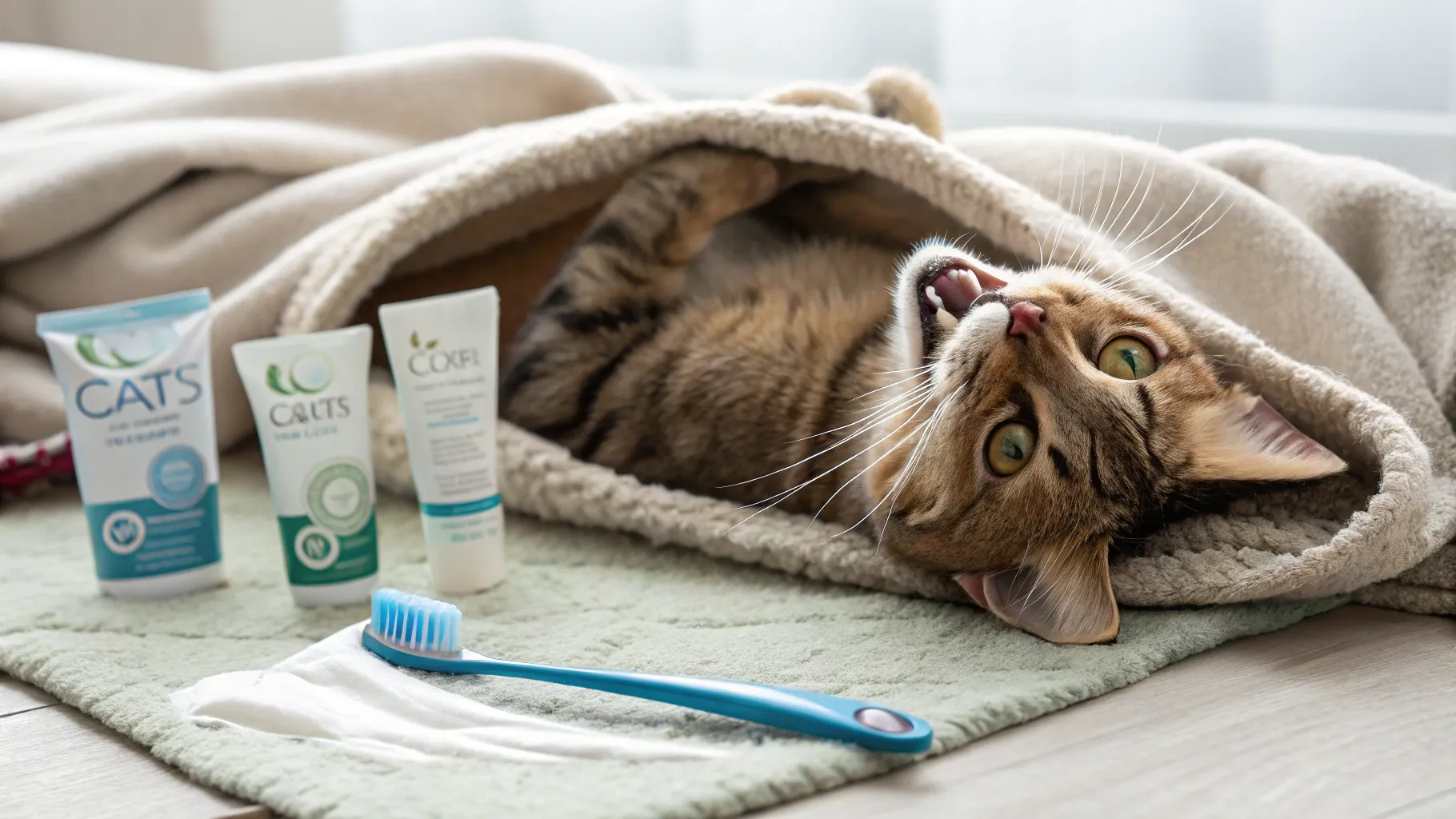
Understanding Common Cat Dental Problems
Dental problems in cats range from mild issues like tartar buildup to more serious conditions such as periodontal disease. Statistics show that approximately 80% of cats have some form of dental disease by the age of three. The most common feline dental issues include:
- Tooth Resorption: A painful condition where a cat's teeth deteriorate due to the body’s own processes.
- Gingivitis: Inflammation of the gums, often caused by plaque buildup.
- Periodontal Disease: A severe form of gingivitis that can lead to tooth loss.
- Tooth Decay: Cavities may form, leading to discomfort and potential infections.
Recognizing these conditions early can help in prompt treatment. Signs of dental issues may include bad breath, difficulty eating, and excessive drooling. If you notice any of these signs, it's crucial to consult your veterinarian for an assessment.
Cat Dental Care Tips
Preventing cat tooth decay and maintaining oral health is an ongoing process. Here are some helpful tips to ensure your cat’s dental hygiene is on point:
- Regular Vet Check-ups: Make sure to schedule annual veterinary check-ups that include dental assessments. Recently, veterinarians emphasize that these evaluations should be integrated into routine care just like vaccinations.
- Home Dental Care: Start brushing your cat's teeth at home. Use a toothpaste specifically designed for cats. In early 2025, pet dental health products are more widely available and range from soft-bristled brushes to flavored toothpaste that encourages cats to accept the process.
- Dental Treats: Incorporate dental treats or toys that promote chewing and help reduce plaque. Many brands now offer products that are clinically proven to help improve oral health.
- Water Additives: Consider using water additives that can reduce plaque formation. These products have become increasingly popular and easy to use in pet households.
- Diet: Feed a high-quality, nutritionally balanced diet. Dry food tends to help keep teeth cleaner compared to wet food, but consult your vet to determine what’s best for your cat.
The Cat Teeth Cleaning Guide
Cleaning your cat’s teeth might sound daunting, especially if you’re a first-time cat dental treatment guide user. However, with some patience and the right approach, it can be a manageable part of your pet care routine:
- Start Slowly: Begin by letting your cat get used to you handling their mouth. Gently rub your finger along their gums to acclimate them to the sensation.
- Use the Right Tools: Get a cat-specific toothbrush and toothpaste. Never use human toothpaste, as it can be harmful to cats.
- Establish a Schedule: Aim to brush your cat's teeth a few times a week. Regularity will help them become accustomed to it, reducing resistance over time.
- Monitor Progress: Keep an eye on your cat's dental health. Regularly check for plaque buildup and consult your vet for professional cleaning when necessary.
The key to successful home dental care is to make it a positive experience. Reward your cat with treats and affection after each session, reinforcing that this is a good thing.
Treating Feline Dental Issues
When dental problems arise, swift action is vital. Depending on the severity of the condition, here are some options that may be recommended by your vet:
- Professional Cleaning: Your vet has the ability to perform professional cleanings, which is done under anesthesia to ensure your cat is comfortable and safe. This procedure can remove plaque, tartar, and even treat periodontal disease.
- Tooth Extraction: In cases of severe tooth decay or resorption, extraction may be necessary to prevent pain or further complications.
- Medications: If your cat is diagnosed with gingivitis or periodontal disease, your vet may prescribe antibiotics or anti-inflammatory medications.
Staying proactive about your cat's dental health can prevent many issues from worsening, ultimately ensuring a healthier life for your beloved pet.
Preventing Cat Tooth Decay
Preventing dental issues is easier than treating them. Besides regular dental check-ups, consider the following practices for ongoing care:
- Monitor Diet: Watch out for sugary treats or low-quality diets that can contribute to dental decay. Choose food that supports oral health.
- Hydration: Ensure your cat has access to fresh water, as proper hydration aids in oral health.
- Environment: Provide toys and tools that encourage chewing, which can naturally clean their teeth and engage them physically.
Oral health is essential not just for your cat's teeth but also for their overall health. Poor dental health can lead to systemic issues such as heart disease or kidney problems.
As we move through 2025, the focus on pet health is stronger than ever. Cat owners have more resources at their fingertips than ever before to keep their feline companions healthy. By following the tips outlined in this guide and staying vigilant about signs of dental problems, you can enjoy many more years of companionship with your furry friend while keeping their mouths healthy and vibrant.
Authored by 24Trendz team