Essential Considerations Before Purchasing a Mobility Scooter
Fast Facts:
- Over 1 million Americans use a mobility scooter for daily assistance.
- The global mobility aid market is projected to grow significantly by 2030, driven by an aging population.
Navigating the Choices: Key Factors for Your Ideal Mobility Scooter
The decision to purchase a mobility scooter is a significant step towards regaining independence and enhancing quality of life. However, with a diverse range of models and an array of scooter features available, making an informed choice can feel overwhelming. This comprehensive guide aims to streamline your decision-making process, highlighting crucial aspects to consider before you commit to a particular model. From understanding your personal needs to evaluating the technical specifications, every detail contributes to finding the perfect mobility aid that truly fits your lifestyle.
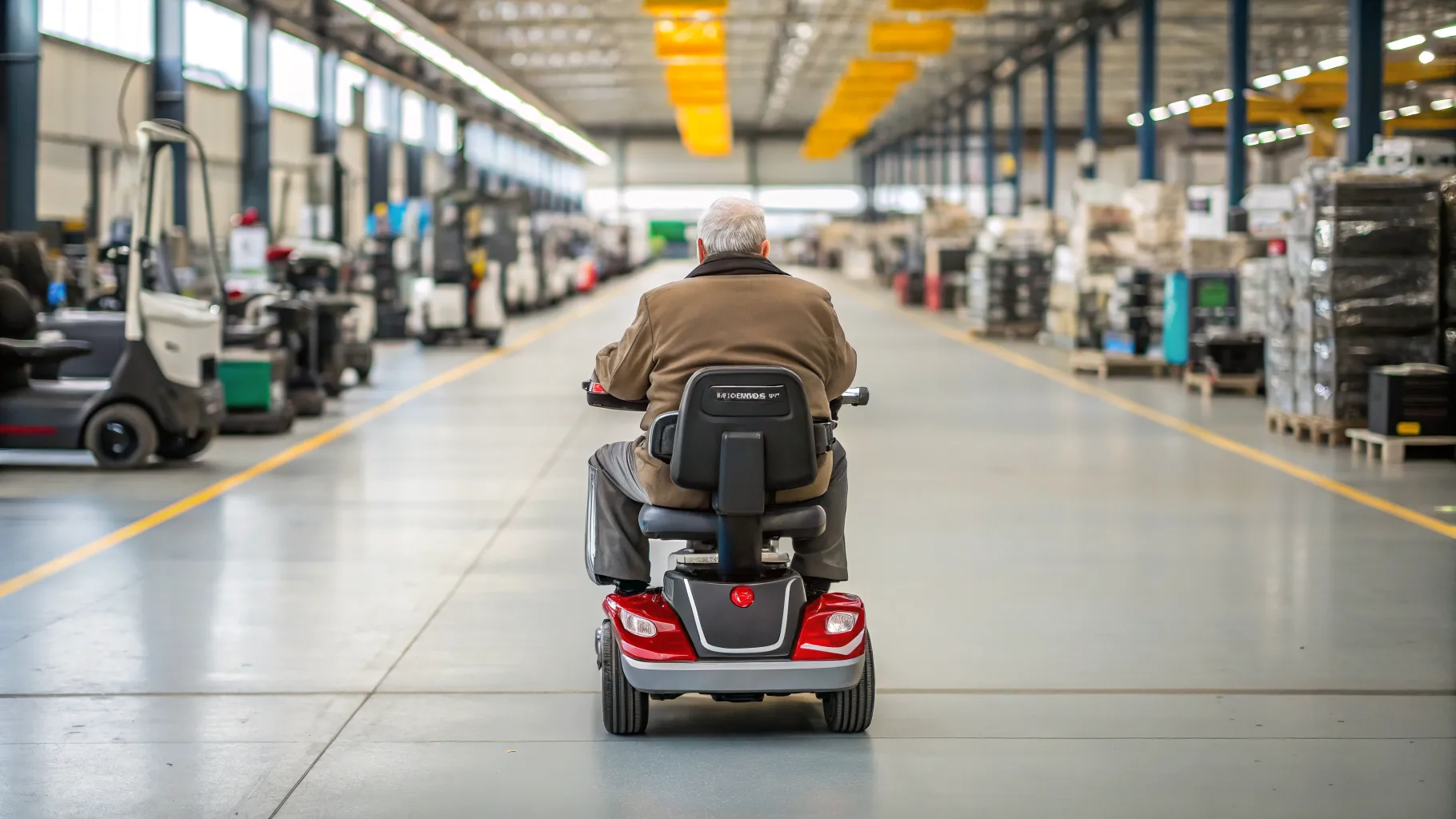
Assessing Your Personal Needs and Lifestyle
Before delving into the technical specifications of various models, the most critical first step is to thoroughly assess your personal requirements and daily routines. Consider where and how often you plan to use your mobility scooter. Will it be primarily for indoor use, navigating tight spaces within your home, or do you intend to use it outdoors for errands, social gatherings, or long rides in parks? The terrain you'll encounter (smooth sidewalks, uneven paths, grassy areas) will heavily influence the type of wheels, suspension, and overall power you need. Furthermore, contemplate the distances you'll typically travel and whether storage and transportability are key factors. For instance, if you frequently travel or need to store the scooter in a small apartment, a lightweight, portable model might be more suitable than a heavy-duty option.
Understanding Different Types of Mobility Scooters
The market offers several distinct categories of mobility scooter, each designed to meet specific user needs. Three-wheel scooters, known for their excellent maneuverability, are ideal for indoor use and navigating tight corners. Their tighter turning radius makes them perfect for shopping aisles or within the confines of a home. Four-wheel scooters, on the other hand, provide superior stability and are generally preferred for outdoor use, handling varied terrains with greater confidence. Then there are portable or travel scooters, designed to disassemble easily into lighter components or fold for transport in a car boot or on public transport. Lastly, heavy-duty scooters are built for larger individuals or those requiring extended range and robust performance over challenging outdoor environments, often featuring advanced suspension and larger batteries.
Evaluating Essential Scooter Features
When comparing different electric scooter or mobility scooter models, a careful evaluation of their features is paramount. Key considerations include the scooter's speed capabilities, its maximum range on a single charge, the comfort and adjustability of the seat, and the ease of use of its controls. Modern scooters often come equipped with ergonomic handlebars, intuitive control panels, and various accessories like baskets, cup holders, and even USB charging ports. Paying attention to these smaller details can significantly impact your daily satisfaction and the overall practicality of your chosen mobility aid.
The Importance of Battery Life and Range
One of the most crucial scooter features to investigate is its scooter battery life and the corresponding range. The range dictates how far you can travel on a single charge, which is a vital consideration for anyone planning longer excursions or needing to rely on their scooter for all-day use. Battery types typically include sealed lead-acid (SLA) or more advanced lithium-ion (Li-ion) options. Lithium-ion batteries generally offer a longer lifespan, faster charging times, and are lighter, though they often come at a higher initial cost. Understanding the charger requirements and the average charging time is also essential for seamless daily operation. Always consider your longest typical journey and add a buffer to ensure you never run out of power unexpectedly.
Comfort, Safety, and Maneuverability
Your comfort is paramount, as you'll be spending a considerable amount of time on your mobility scooter. Look for features like adjustable seats, armrests, and tiller (steering column) to ensure proper ergonomic positioning. Good suspension is vital for absorbing shocks, especially when traversing uneven surfaces, contributing significantly to a smoother ride. Safety features are equally important; these include anti-tip wheels for stability, bright headlights and taillights for visibility, and reliable braking systems. The scooter's turning radius and overall dimensions will impact its maneuverability in tight spaces, making it a critical factor for both indoor and outdoor navigation. Test-driving a few models can provide invaluable insight into which mobility scooter feels most comfortable and secure for you.
Maintenance, Warranty, and After-Sales Support
Investing in a mobility scooter also means considering its long-term care. Inquire about the manufacturer's warranty, which typically covers the frame, electronics, and battery for varying periods. Understanding what the warranty includes and excludes is crucial. Additionally, ask about the availability of spare parts and the ease of accessing service and repairs. A reputable dealer will offer comprehensive after-sales support, including maintenance services and technical assistance. Choosing a brand known for its reliability and a dealer with a strong local presence can save you significant hassle and cost in the future, ensuring your mobility aid remains in excellent working condition.
Budgeting and Financial Considerations
The cost of a mobility scooter can vary widely depending on the type, features, and brand. Beyond the initial purchase price, consider potential additional costs such as insurance, maintenance, and accessories. While some higher-end models may have a steeper upfront cost, they might offer better durability, more advanced features, and a longer scooter battery life, potentially leading to lower long-term expenses. Explore financing options, and check if any government programs, health insurance plans, or charitable organizations offer assistance with purchasing a mobility aid. Always compare prices from different retailers to ensure you're getting the best value for your investment, without compromising on quality or essential scooter features.
Making an Informed Decision: Practical Steps
- Test Drive and Comfort Assessment: Always try to test drive several mobility scooter models. Pay attention to seat comfort, control accessibility, and overall ride quality. Ensure the controls are intuitive and easy for you to operate.
- Check Weight Capacity and Dimensions: Verify that the scooter's weight capacity is suitable for you, including any items you might carry. Also, measure doorways, ramps, and storage spaces to confirm the scooter will fit.
- Consider Transportability: If you plan to transport your scooter in a vehicle, assess its weight, how easily it disassembles or folds, and if you'll need additional accessories like ramps or a vehicle lift.
- Review Dealer Reputation and Support: Purchase from a reputable dealer who offers good customer service, technical support, and has certified technicians for maintenance and repairs. This ensures peace of mind for your mobility aid.
Frequently Asked Questions
Is an electric scooter the same as a mobility scooter?
While both are electric-powered, an electric scooter typically refers to a stand-up two-wheeled device for recreation or short commutes, whereas a mobility scooter is a medical device designed for individuals with limited mobility, providing a seated driving position and focusing on stability and support as a reliable mobility aid.
How long does a mobility scooter battery life last?
The scooter battery life on a single charge can vary significantly, ranging from 10 to 30 miles or more, depending on the battery type (SLA vs. Li-ion), capacity, the user's weight, terrain, and driving speed. Generally, SLA batteries last 1-2 years, while Li-ion can last 3-5 years or longer with proper care.
What are the most important scooter features to look for?
The most important scooter features include a comfortable and adjustable seat, adequate scooter battery life and range for your needs, robust safety features (lights, anti-tip wheels), good maneuverability (turning radius), and a weight capacity that suits you. Also, consider suspension for a smoother ride.
References
- World Health Organization (WHO) Report on Assistive Technology
- Industry Market Analysis of Personal Mobility Devices
- Consumer Reports Guide to Mobility Scooters
- National Council on Aging Publications on Independent Living
- Battery Technology Advancements in Electric Vehicles
Authored by 24Trendz team