Unveiling Essential Anemia Indicators and Red Flags
Fast Facts:
- Anemia affects over 1.6 billion people globally.
- Iron deficiency anemia is the most common nutritional deficiency worldwide.
Understanding the Early Signs of Anemia
Recognizing the subtle yet crucial anemia indicators and understanding the pressing red flags for anemia is paramount for timely intervention and improved health outcomes. Anemia, a condition characterized by a deficiency in red blood cells or hemoglobin, can significantly impact quality of life if left unaddressed. This comprehensive guide delves into the various signs and symptoms, equipping individuals with the knowledge to identify potential issues and seek appropriate medical advice for effective diagnosing anemia.
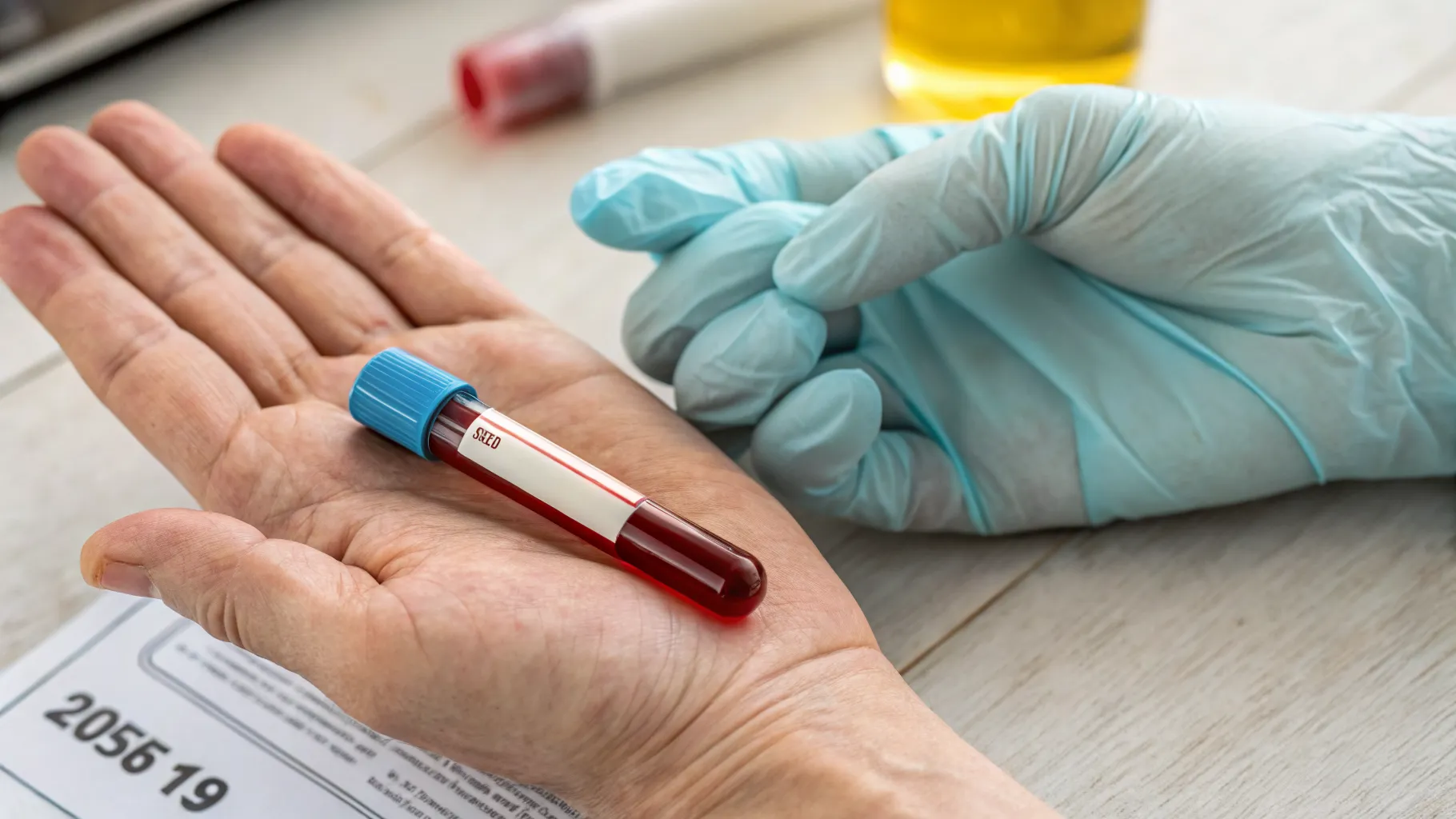
Key Physical Anemia Indicators to Observe
The human body often provides subtle clues when it's not functioning optimally. For anemia, these indicators can manifest physically and should not be ignored. Understanding these visible and felt signs is the first step towards recognizing a potential problem. These physical manifestations are crucial anemia indicators that warrant attention.
Persistent Fatigue and Weakness
One of the most common and often debilitating anemia symptoms is an overwhelming sense of fatigue and general weakness. This isn't just ordinary tiredness; it's a profound exhaustion that doesn't improve with rest and interferes with daily activities. The body's cells are not receiving enough oxygen, leading to a lack of energy and making even simple tasks feel monumental. This persistent fatigue is a primary indicator of reduced red blood cell count, often linked to iron deficiency anemia.
Unusual Paleness
A noticeable change in skin, nail bed, or inner eyelid color can be a significant anemia indicator. People with anemia often appear pale or sallow because their blood lacks sufficient hemoglobin, which gives blood its red color. This paleness is particularly evident on the face, lips, and nail beds, and can be a telling visual cue for potential red flags for anemia.
Shortness of Breath and Dizziness
When the body's tissues and organs don't receive enough oxygen due to a low red blood cell count, the heart has to work harder to pump oxygen-rich blood. This increased effort can lead to shortness of breath, even with minimal exertion, and feelings of dizziness or lightheadedness, especially when standing up quickly. These respiratory and circulatory anemia symptoms are critical signs that the body is struggling to meet its oxygen demands.
Cold Hands and Feet
Poor circulation, often a consequence of reduced oxygen delivery to extremities, can result in persistently cold hands and feet. This is another one of the subtle yet persistent anemia indicators that can be easily overlooked or attributed to other factors. However, coupled with other symptoms, it can point towards an underlying anemic condition.
Brittle Nails and Hair Loss
In more advanced cases, particularly with chronic iron deficiency anemia, the body prioritizes oxygen delivery to vital organs, sometimes at the expense of non-essential tissues like hair and nails. This can lead to brittle or spoon-shaped nails (koilonychia) and noticeable hair loss or thinning. These dermatological changes serve as distinct red flags for anemia, indicating a prolonged nutrient deficiency.
Critical Red Flags for Anemia Requiring Medical Attention
While some anemia symptoms can develop gradually, certain signs constitute urgent red flags for anemia that demand immediate medical consultation. These are not merely discomforts but signals of potential systemic issues that necessitate prompt investigation and intervention, playing a crucial role in effective diagnosing anemia.
Pica and Craving Non-Food Items
One of the more unusual and often specific red flags for anemia, particularly severe iron deficiency anemia, is pica. This is an intense craving to eat non-nutritive substances such as ice, dirt, clay, starch, or paper. While the exact mechanism is not fully understood, it's strongly associated with profound iron deficiency and should never be ignored as an essential anemia indicator.
Restless Legs Syndrome
Individuals with anemia, especially those with iron deficiency anemia, frequently report experiencing Restless Legs Syndrome (RLS). This neurological disorder causes an irresistible urge to move the legs, often accompanied by uncomfortable sensations like crawling, tingling, or itching, particularly at night. RLS can significantly disrupt sleep and is a notable indicator that should prompt further investigation for anemia symptoms.
Severe Headaches
While headaches are common, severe or persistent headaches, particularly when accompanied by other anemia indicators like fatigue and dizziness, can be a serious red flag for anemia. Reduced oxygen flow to the brain due to low red blood cell count can trigger these painful episodes, indicating that the body is under significant stress.
Chest Pain and Rapid Heartbeat
In severe cases of anemia, the heart works overtime to circulate what little oxygen is available, leading to a rapid or irregular heartbeat (palpitations) and even chest pain. These cardiovascular anemia symptoms are particularly alarming and require immediate medical attention, as they can indicate a significant strain on the heart and are definitive red flags for anemia.
The Link Between Iron Deficiency Anemia and Diet
Understanding the intricate relationship between dietary intake and the prevalence of iron deficiency anemia is critical for both prevention and treatment. While various forms of anemia exist, the most common type stems from insufficient iron, a vital mineral required for hemoglobin production. A diet lacking in iron-rich foods, or conditions that impair iron absorption, can lead to a gradual depletion of the body's iron stores, culminating in anemia indicators. For instance, vegetarians and vegans must be particularly mindful of their iron intake, ensuring adequate consumption of plant-based iron sources and pairing them with vitamin C to enhance absorption. Conversely, excessive consumption of certain foods or beverages, like tea or coffee, near mealtimes can inhibit iron absorption, exacerbating the problem. Identifying these dietary patterns is crucial for addressing the root cause of many anemia symptoms and plays a significant role in preventing the development of severe red flags for anemia.
Navigating the Diagnostic Process for Anemia
Prompt and accurate diagnosing anemia is essential for effective treatment and managing the associated health risks. When potential anemia indicators or red flags for anemia are observed, consulting a healthcare professional is the critical next step. The diagnostic process typically involves a series of evaluations to confirm the presence of anemia and determine its underlying cause, which is vital for tailoring appropriate interventions.
- Initial Medical History and Physical Exam: Your doctor will inquire about your symptoms, medical history, and lifestyle, including dietary habits. A physical examination will assess for visible anemia symptoms such as pallor, rapid heart rate, or brittle nails.
- Complete Blood Count (CBC): This is the primary test for diagnosing anemia. A CBC measures various components of your blood, including the number of red blood cells, hemoglobin levels, and hematocrit (the percentage of red blood cells in your blood). Low values in these areas are key anemia indicators.
- Ferritin Level Test: To specifically diagnose iron deficiency anemia, a ferritin test measures the amount of iron stored in your body. Low ferritin levels are a strong indicator of iron deficiency, even before anemia fully develops.
- Peripheral Blood Smear: This involves examining a blood sample under a microscope to evaluate the size, shape, and color of red blood cells, which can provide clues about the type of anemia present.
- Further Tests as Needed: Depending on the initial findings, additional tests may be ordered to identify the cause of anemia, such as tests for vitamin B12 and folate levels, kidney function tests, or stool tests to check for internal bleeding, which can present as significant red flags for anemia.
Frequently Asked Questions
What are the most common early anemia symptoms to look for?
The most common early anemia symptoms include persistent fatigue, general weakness, and unusual paleness of the skin and mucous membranes. These are often the first anemia indicators noticed, signaling that the body may not be getting enough oxygen.
When should I seek medical attention for potential red flags for anemia?
You should seek medical attention if you experience severe or persistent symptoms like profound fatigue, shortness of breath, chest pain, dizziness, or unusual cravings for non-food items (pica). These are critical red flags for anemia that warrant prompt investigation by a healthcare professional.
Can diet alone treat iron deficiency anemia?
While dietary changes are crucial for preventing and managing iron deficiency anemia, severe cases often require iron supplements in addition to dietary adjustments. It is important to consult a doctor for proper diagnosis and treatment plan, as self-treating can be ineffective or even harmful.
References
- World Health Organization
- National Institutes of Health
- Mayo Clinic
- American Society of Hematology
Authored by 24Trendz team