Effective Hypertension Treatments: A Comprehensive Guide to Blood Pressure Management
Fast Facts:
- Early diagnosis significantly improves treatment outcomes.
- Lifestyle interventions are crucial for long-term hypertension control.
Understanding the Spectrum of Effective Hypertension Treatments
Navigating the world of hypertension treatments can seem daunting, but a clear understanding of the available strategies is the first step towards successful blood pressure management. High blood pressure, if left unaddressed, can lead to severe health complications. Fortunately, a combination of medical interventions and proactive lifestyle modifications can effectively bring blood pressure within a healthy range, significantly reducing risks and improving overall quality of life by focusing on consistent hypertension control. This comprehensive guide will explore the multifaceted approaches to managing this common condition.
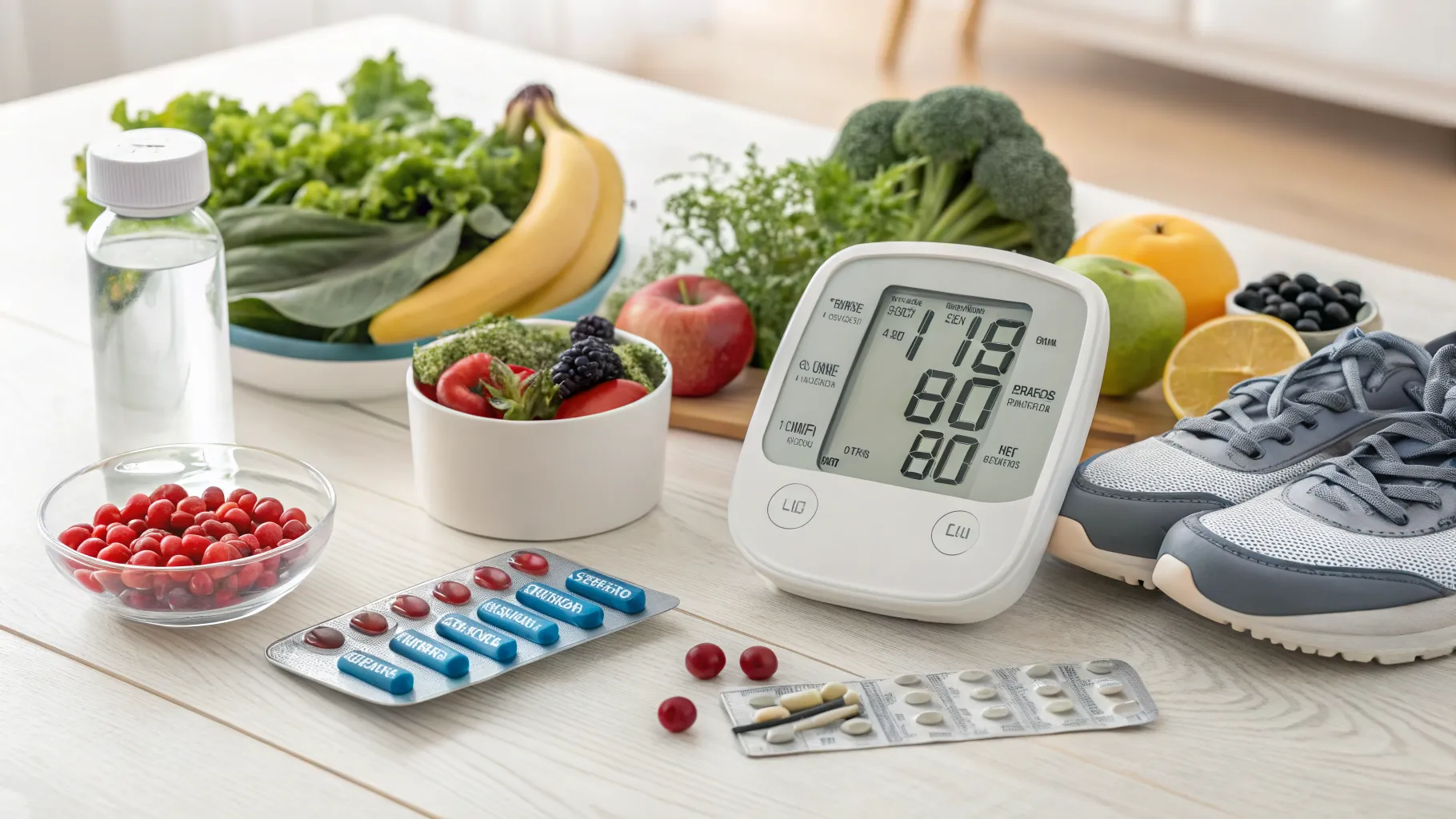
Lifestyle Modifications: Cornerstone of Hypertension Control
For many individuals, initiating robust lifestyle modifications is the primary and most impactful step in hypertension treatments. These changes are fundamental, forming the bedrock upon which any pharmacological interventions are built. Adopting a heart-healthy diet, such as the DASH diet, which emphasizes fruits, vegetables, whole grains, and lean proteins while limiting sodium, saturated fats, and added sugars, can significantly lower blood pressure. Regular physical activity, aiming for at least 150 minutes of moderate-intensity exercise per week, strengthens the heart and improves circulatory health. Additionally, maintaining a healthy weight, moderating alcohol consumption, quitting smoking, and effectively managing stress are all vital components of a holistic strategy for optimal blood pressure management and overall well-being. These modifications not only aid in hypertension control but also promote a healthier lifestyle.
Pharmacological Approaches: Exploring Hypertension Medications
When lifestyle changes alone are insufficient to achieve target blood pressure, pharmacological hypertension treatments become necessary. There are several classes of medications, each working through different mechanisms to lower blood pressure. Diuretics, often the first line of defense, help the body eliminate excess sodium and water. ACE inhibitors and ARBs relax blood vessels by blocking the formation or effects of angiotensin II. Beta-blockers slow the heart rate and reduce the force of contraction, while calcium channel blockers relax blood vessels. Alpha-blockers and vasodilators are also used, sometimes in combination therapy. The choice of medication, or combination of medications, is highly individualized, depending on the patient's age, other health conditions, and how well they respond to and tolerate specific drugs. Consistent medication adherence is paramount for the success of these hypertension treatments, ensuring stable blood pressure management over time.
Dietary Strategies: The Power of the DASH Diet
The Dietary Approaches to Stop Hypertension (DASH) diet is not just a recommendation; it's a scientifically proven dietary pattern specifically designed for hypertension control and is a cornerstone of non-pharmacological hypertension treatments. This eating plan focuses on consuming foods rich in potassium, calcium, and magnesium, which are crucial minerals for healthy blood pressure regulation. It encourages a high intake of fruits, vegetables, and whole grains, along with fat-free or low-fat dairy products, fish, poultry, beans, nuts, and vegetable oils. Conversely, it significantly limits foods high in saturated fat, cholesterol, and sodium. Adhering to the DASH diet can yield substantial reductions in blood pressure, often comparable to or even exceeding the effects of some medications. Its emphasis on nutrient-dense, whole foods makes it a sustainable and healthy approach to blood pressure management for the long term.
Monitoring and Medication Adherence: Keys to Success
Effective hypertension treatments extend beyond initial prescription; consistent monitoring and rigorous medication adherence are indispensable for long-term success. Regular home blood pressure monitoring, using a validated device, empowers patients to track their progress and share valuable data with their healthcare provider. This self-monitoring can highlight patterns and help assess the effectiveness of current blood pressure management strategies. Equally critical is medication adherence, which refers to taking medications exactly as prescribed—at the correct dose, at the right time, and for the prescribed duration. Skipping doses, stopping medication prematurely, or not following instructions can lead to uncontrolled hypertension, negating the benefits of treatment and increasing the risk of serious complications. Healthcare providers often work with patients to address barriers to adherence, ensuring consistent hypertension control.
Emerging Therapies and Future Directions in Blood Pressure Management
The field of hypertension treatments is continuously evolving, with ongoing research exploring novel therapies and approaches. Beyond conventional medications, scientific advancements are paving the way for innovative solutions. These include devices that target specific nerves involved in blood pressure regulation, such as renal denervation techniques, which aim to reduce overactivity of sympathetic nerves in the kidneys. Gene therapies and vaccines for hypertension are also in early stages of development, promising potential long-acting solutions for blood pressure management. Furthermore, personalized medicine is gaining traction, with a focus on tailoring hypertension treatments based on an individual's genetic profile, specific biomarkers, and unique risk factors. These cutting-edge developments offer hope for more effective, targeted, and potentially curative strategies for hypertension control in the future.
Implementing Sustainable Lifestyle Modifications
Adopt a Heart-Healthy Diet:
Focus on incorporating more fruits, vegetables, whole grains, and lean proteins into your daily meals. Reducing sodium intake is paramount for effective hypertension control. The DASH diet provides an excellent framework, emphasizing foods rich in potassium, magnesium, and calcium, which are vital for maintaining healthy blood pressure management. Carefully read food labels to identify hidden sodium sources.
Regular Physical Activity:
Aim for at least 150 minutes of moderate-intensity aerobic exercise or 75 minutes of vigorous-intensity exercise per week. Activities like brisk walking, jogging, swimming, or cycling can significantly lower blood pressure and improve cardiovascular health, complementing other hypertension treatments. Consistency is key, so find activities you enjoy.
Manage Stress Effectively:
Chronic stress can contribute to elevated blood pressure. Incorporate stress-reduction techniques such as mindfulness, meditation, yoga, or deep breathing exercises into your routine. Ensuring adequate sleep is also a critical component of holistic hypertension treatments, as poor sleep quality can negatively impact blood pressure levels.
Limit Alcohol and Quit Smoking:
Excessive alcohol consumption can raise blood pressure, while smoking damages blood vessels and accelerates atherosclerosis, making it harder for effective blood pressure management. Reducing alcohol intake to recommended limits (up to one drink per day for women, two for men) and completely quitting smoking are among the most impactful lifestyle modifications for hypertension control and overall well-being.
Maintain a Healthy Weight:
Losing even a small amount of weight can have a significant positive impact on blood pressure levels. Work with healthcare professionals to set realistic weight loss goals and develop a sustainable plan as part of your comprehensive blood pressure management strategy. Even a 5-10% reduction in body weight can make a noticeable difference in hypertension treatments.
Frequently Asked Questions
What is the primary goal of hypertension treatments?
The primary goal of hypertension treatments is to lower and maintain blood pressure within a healthy range (typically below 120/80 mmHg, though target levels can vary based on individual risk factors and physician recommendations) to prevent complications such as heart attack, stroke, kidney disease, and heart failure. Effective blood pressure management aims to reduce the long-term strain on the cardiovascular system and improve overall longevity and quality of life.
How long do I need to continue hypertension medications?
For most individuals, hypertension medications are a long-term, often lifelong, commitment. High blood pressure is a chronic condition, and stopping medication without medical advice can lead to a dangerous rebound in blood pressure, increasing health risks. Regular follow-ups with your doctor will determine if dosages or types of medication need to be adjusted, but consistent medication adherence is crucial for ongoing hypertension control and preventing adverse events. Never discontinue treatment without consulting a healthcare professional.
Can I manage hypertension with only lifestyle modifications?
While lifestyle modifications are incredibly powerful and often the first line of defense, whether they alone are sufficient depends on the severity of your hypertension and other individual health factors. For many with pre-hypertension or stage 1 hypertension, significant changes like the DASH diet, regular exercise, and weight loss can effectively achieve target blood pressure. However, for more severe cases, medication is often necessary in conjunction with lifestyle changes for optimal hypertension treatments and robust hypertension control.
References
- American Heart Association Guidelines on Hypertension Management
- European Society of Cardiology/European Society of Hypertension Guidelines
- National Heart, Lung, and Blood Institute Publications on Cardiovascular Health
- Mayo Clinic Research and Clinical Practice Guidelines on Blood Pressure Control
- World Health Organization Reports on Noncommunicable Diseases and Hypertension
Authored by 24Trendz team