Early Signs of Colon Cancer: Recognizing Warning Signs of Colorectal Disease
Facts:
- Over 150,000 Americans are diagnosed with colorectal cancer annually.
- Survival rates significantly improve with early detection for all age groups.
Understanding the Subtle Indicators of Colorectal Issues
Identifying the early signs of colon cancer and recognizing warning signs of colorectal disease is paramount for timely diagnosis and improved outcomes. Many of these initial indicators can be subtle, often mimicking less serious conditions, making awareness and proactive medical consultation crucial. Understanding these nuanced symptoms allows individuals to seek professional advice before the disease progresses, emphasizing the critical role of vigilance in protecting one's health from serious gastrointestinal conditions.
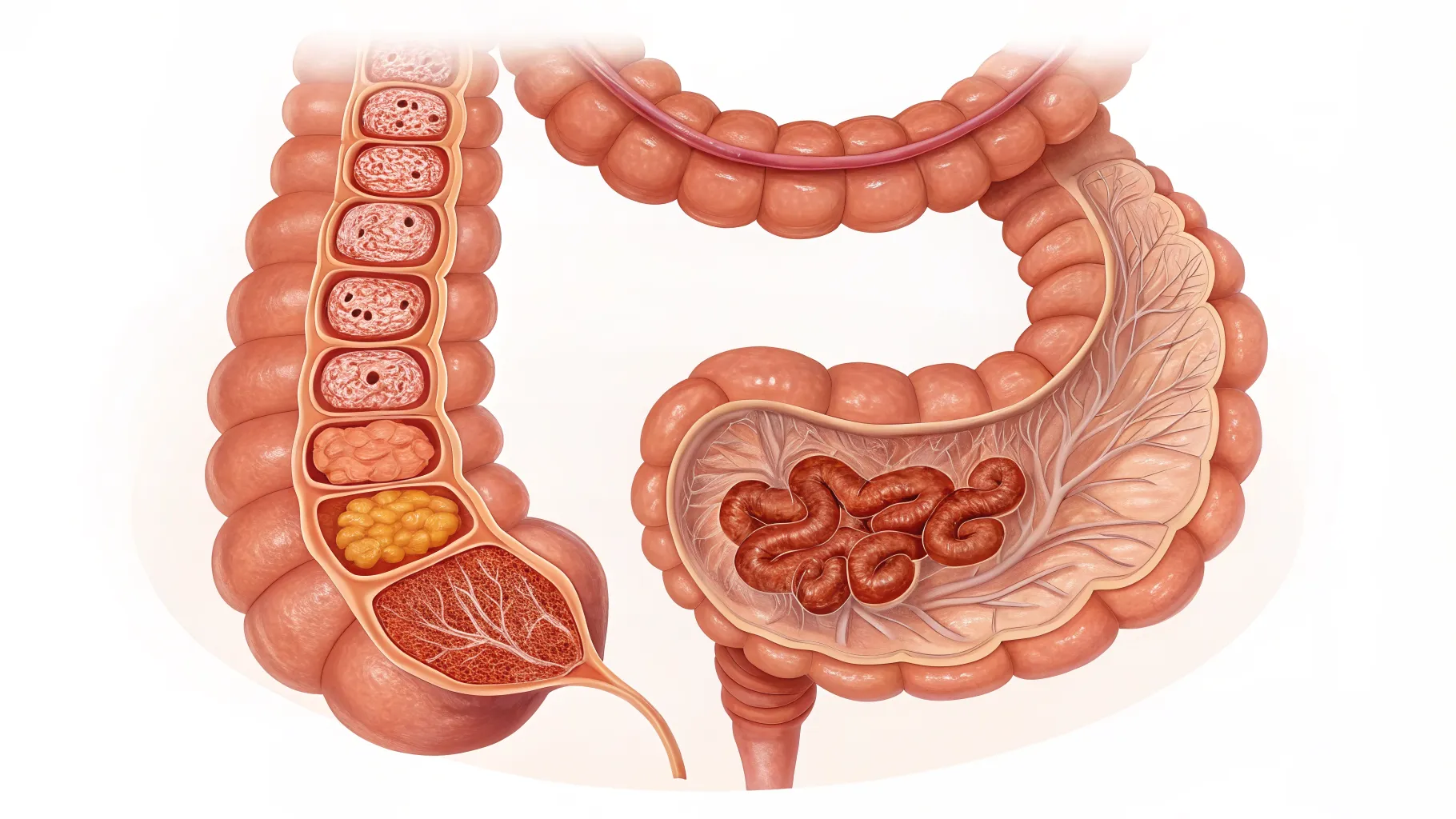
Recognizing Key Changes in Bowel Habits
One of the most common warning signs of colorectal disease involves noticeable changes in bowel habits. This can manifest in several ways, moving beyond just simple constipation or diarrhea. Individuals might experience persistent diarrhea, constipation, or alternating bouts of both, lasting for more than a few days or weeks. Furthermore, a change in stool consistency, such as narrower stools than usual, or a feeling of incomplete emptying after a bowel movement, can be significant indicators. It's not just about the frequency but also the character and sensation surrounding defecation. These alterations should not be dismissed as minor digestive upsets, particularly if they are new, persistent, and without an apparent dietary or lifestyle cause.
Blood in Stool and Rectal Bleeding
Any presence of blood in the stool or rectal bleeding is a serious symptom that warrants immediate medical investigation. While bright red blood might be attributed to hemorrhoids or anal fissures, which are common and often benign, it is absolutely critical not to self-diagnose. Darker, tarry stools, known as melena, often indicate bleeding higher up in the digestive tract, potentially from a tumor in the colon. Even small amounts of blood, consistently present, can lead to anemia over time. Ignoring blood in stool or rectal bleeding is a dangerous oversight, as it can be one of the most significant early signs of colon cancer or other severe gastrointestinal issues requiring prompt attention.
Unexplained Fatigue and Anemia
Persistent and unexplained fatigue, often coupled with anemia, can be a silent but potent warning sign of colorectal disease. Colon cancer can cause slow, chronic blood loss into the digestive tract, which might not be visible in the stool. This gradual blood loss can lead to iron deficiency anemia, a condition where the body lacks sufficient healthy red blood cells to carry adequate oxygen to its tissues. The resulting symptoms include profound fatigue, weakness, pale skin, shortness of breath, and dizziness. When these symptoms occur without a clear reason, especially in conjunction with any subtle changes in bowel habits, it is crucial to consider the possibility of internal bleeding stemming from the colon and to consult a healthcare professional for comprehensive evaluation.
Persistent Abdominal Discomfort and Pain
Another crucial indicator among the early signs of colon cancer is ongoing persistent abdominal discomfort. This is not the occasional gas pain or indigestion, but rather chronic and unresolving issues such as cramps, gas, bloating, or general abdominal pain that persists for an extended period. While these symptoms can be attributed to various less severe gastrointestinal conditions, their persistence and lack of response to typical remedies should raise a red flag. As a tumor grows, it can obstruct the bowel or cause localized inflammation and irritation, leading to these uncomfortable sensations. Any new onset of persistent or worsening abdominal pain, especially if accompanied by other concerning symptoms, necessitates a thorough medical assessment to rule out serious underlying conditions.
Weight Loss Without Trying
Unexplained weight loss is a serious general symptom that can signify several underlying medical conditions, including advanced cancers, and is a significant warning sign of colorectal disease. If an individual experiences a notable reduction in body weight without making any changes to their diet or exercise routine, it should be investigated. In the context of colon cancer, this weight loss can occur for several reasons: the cancerous cells consume a significant amount of the body's energy; the tumor might cause digestive issues that impede nutrient absorption; or it can release substances that alter metabolism, leading to a loss of appetite and muscle wasting. Any unintended and sustained weight loss should prompt an urgent visit to a doctor for a comprehensive diagnostic workup.
The Importance of Colorectal Cancer Screening
Colorectal cancer screening plays an indispensable role in preventing and detecting colon cancer early, often before symptoms even appear. Regular screening can identify precancerous polyps, which can then be removed, effectively preventing cancer from developing. For individuals already experiencing early signs of colon cancer, screening becomes even more critical for prompt diagnosis. Understanding the available screening methods and adhering to recommended guidelines can significantly reduce morbidity and mortality associated with this disease.
- Colonoscopy: This is considered the gold standard for colorectal cancer screening. It allows a doctor to visually examine the entire colon and rectum, remove polyps, and take tissue biopsies. It's typically recommended every 10 years for individuals at average risk starting at age 45.
- Stool-Based Tests: These non-invasive tests look for blood in the stool or altered DNA that might indicate the presence of polyps or cancer. Examples include Fecal Immunochemical Test (FIT) and Stool DNA (Cologuard). These are performed more frequently, usually annually or every 1-3 years depending on the specific test.
- Flexible Sigmoidoscopy: This procedure examines only the lower part of the colon (sigmoid colon and rectum) and is usually performed every 5 years or every 10 years with annual FIT. While less comprehensive than a colonoscopy, it can still detect a significant portion of cancers and polyps in the lower bowel.
- Computed Tomography (CT) Colonography: Also known as virtual colonoscopy, this imaging test uses X-rays and a computer to create detailed images of the colon and rectum. It is typically performed every 5 years for individuals at average risk.
Differentiating Between Common Ailments and Serious Warning Signs
It's natural for individuals to experience occasional digestive upsets, and many of the warning signs of colorectal disease can overlap with symptoms of less serious conditions such as irritable bowel syndrome (IBS), hemorrhoids, or dietary intolerances. For instance, temporary changes in bowel habits can be due to stress or diet, and abdominal pain can stem from gas or menstrual cramps. However, the key differentiator lies in persistence, severity, and the combination of symptoms. If symptoms are new, persistent, worsening, or occur together (e.g., unexplained weight loss with changes in bowel habits and fatigue), it's crucial to seek medical evaluation rather than self-diagnosing. A healthcare professional can perform appropriate diagnostic tests, such as blood tests, stool tests, imaging, or a colonoscopy, to accurately determine the cause of the symptoms and rule out serious conditions like early signs of colon cancer, ensuring appropriate and timely management.
Frequently Asked Questions
What are the most common early signs of colon cancer?
The most common early signs of colon cancer include persistent changes in bowel habits (like diarrhea or constipation), rectal bleeding or blood in the stool, persistent abdominal discomfort (cramps, gas, pain), unexplained weight loss, and chronic fatigue due to anemia.
When should I be concerned about changes in bowel habits?
You should be concerned about changes in bowel habits if they are new, persistent for more than a few weeks, or accompanied by other symptoms like blood in stool, weight loss, or persistent abdominal pain. Consult a doctor for any significant, unexplained changes.
Can hemorrhoids be mistaken for warning signs of colorectal disease?
Yes, hemorrhoids can cause rectal bleeding which can be a warning sign of colorectal disease. While hemorrhoids are generally benign, it is critical not to assume and to get any rectal bleeding evaluated by a doctor to rule out more serious conditions like colon cancer.
How important is colorectal cancer screening in detecting early signs of colon cancer?
Colorectal cancer screening is extremely important. It can detect precancerous polyps before they turn into cancer and identify early signs of colon cancer even before symptoms develop, significantly improving treatment success rates and reducing mortality.
References
- American Cancer Society Guidelines for Colorectal Cancer Screening.
- National Cancer Institute: Colorectal Cancer.
- Mayo Clinic: Colon cancer symptoms and causes.
- Centers for Disease Control and Prevention: Colorectal Cancer.
- Gastroenterological Society of Australia: Understanding Bowel Cancer.
Authored by 24Trendz team