Discover the Benefits of Yoga Classes for Seniors: A Gentle Path to Wellness
Fast Facts:
- Yoga significantly improves balance in older adults.
- Demand for senior-specific fitness programs is rising for yoga for older adults.
Embracing Wellness: The Transformative Power of Yoga Classes for Seniors
As we age, maintaining physical and mental well-being becomes increasingly vital. Yoga classes for seniors offer a gentle yet profoundly effective pathway to achieving this. Far from being an activity exclusively for the young and limber, senior yoga is specifically tailored to meet the unique needs and capabilities of older adults, providing a safe and supportive environment to enhance physical health, mental clarity, and emotional balance. These classes focus on accessible poses, modifications, and mindful breathing techniques that can significantly improve quality of life. This introduction will explore the multitude of benefits that await those who embark on this enriching journey, demonstrating why more and more older individuals are turning to yoga as a cornerstone of their health regimen.
Tailored Approaches: Understanding Gentle Yoga and Chair Yoga
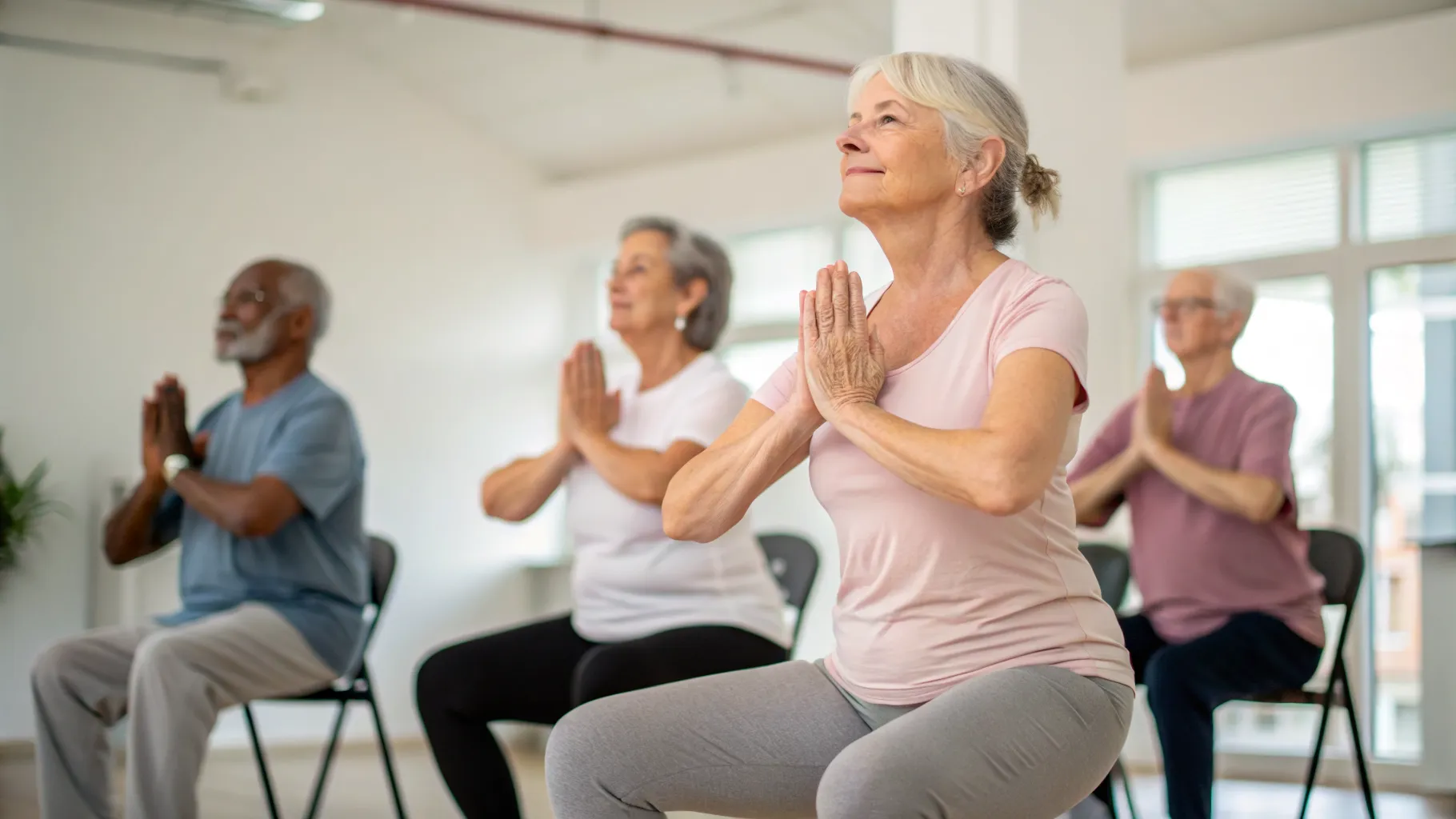
For many older adults, the thought of traditional yoga poses might seem daunting. This is where specialized approaches like gentle yoga and chair yoga come into play, making the practice highly accessible. Gentle yoga focuses on slower movements, longer holds, and more restorative poses, often incorporating props like blankets, blocks, and straps to support the body and deepen stretches without strain. These modifications are crucial for individuals with limited mobility, joint pain, or chronic conditions, ensuring that every participant can engage comfortably and safely. The emphasis is on mindful movement and breath, promoting relaxation and reducing stress while gradually improving flexibility and strength.
Chair yoga, a particularly popular form of yoga for older adults, takes accessibility a step further by performing most or all poses while seated in a chair. This eliminates concerns about balance and standing endurance, making it ideal for those with severe mobility issues or who are recovering from injuries. Even seated, participants can perform a wide range of movements that stretch the spine, strengthen the core, and improve circulation. Arm stretches, twists, and leg lifts can all be adapted for the chair, providing a full-body workout that enhances both physical and mental well-being. Both gentle and chair yoga classes are designed with the specific needs of seniors in mind, ensuring a safe, effective, and enjoyable experience for all.
Unlocking Physical Benefits: Flexibility, Balance, and Strength
The physical advantages of engaging in yoga classes for seniors are extensive and profoundly impactful. One of the primary benefits is a significant improvement in flexibility. As we age, muscles and connective tissues naturally become less pliable, leading to stiffness and reduced range of motion. Yoga's gentle stretching and holding of poses help to lengthen these tissues, increasing joint mobility and making everyday movements, such as reaching overhead or bending down, much easier. This enhanced flexibility can dramatically improve comfort and reduce the risk of injury from sudden movements.
Furthermore, balance is a critical area where senior yoga shines. Falls are a leading cause of injury among older adults, often resulting from declining balance and proprioception (the body's sense of its position in space). Yoga poses, even modified ones, challenge and strengthen the stabilizing muscles around the joints, particularly in the ankles, knees, and hips. Practices like standing on one leg (with support if needed) or shifting weight slowly help to recalibrate the body's balance system, cultivating greater stability and confidence in movement. Regular practice can significantly reduce the risk of falls, promoting greater independence and safety.
Beyond flexibility and balance, yoga also builds functional strength. While it may not involve heavy weights, holding poses isometricly and moving against gravity strengthens core muscles, back muscles, and limbs. This improved strength is essential for performing daily tasks with ease, such as lifting groceries, climbing stairs, or getting up from a chair. By engaging multiple muscle groups simultaneously, yoga provides a holistic approach to strength training that supports overall physical resilience and vitality, making it an invaluable part of a senior's fitness routine.
Mental and Emotional Well-being: Stress Reduction and Cognitive Boost
The benefits of yoga for older adults extend far beyond the physical realm, profoundly impacting mental and emotional health. One of the most immediate advantages is its capacity for stress reduction. The deliberate focus on breathwork (pranayama) and mindfulness during yoga practice helps to calm the nervous system, lower cortisol levels, and alleviate feelings of anxiety and tension. This tranquil state can lead to improved sleep quality, a common concern for many seniors, and a greater sense of peace and contentment in daily life. Regular participation in yoga classes for seniors provides a dedicated space to detach from worries and reconnect with oneself.
Moreover, yoga can offer a notable cognitive boost. The intricate coordination required for certain poses, combined with the focus on alignment and breath, acts as a gentle mental exercise. This engagement can enhance memory, concentration, and overall cognitive function. Learning new sequences and holding challenging (yet modified) poses stimulates neural pathways, helping to maintain brain health and potentially mitigating age-related cognitive decline. The meditative aspects of yoga also cultivate greater present-moment awareness, which can translate into improved focus and clarity in other areas of life, fostering a sharper and more resilient mind.
The social aspect of attending yoga classes for seniors also contributes significantly to emotional well-being. Connecting with peers in a supportive group setting combats feelings of isolation and loneliness, fostering a sense of community and belonging. Sharing experiences, encouraging one another, and celebrating small victories together create a positive and uplifting atmosphere. This social interaction is vital for mental health, providing a platform for shared interests and camaraderie that enriches the lives of participants.
Finding the Right Fit: Choosing the Best Yoga Classes for Seniors
Selecting the appropriate yoga classes for seniors is crucial for a positive and beneficial experience. It's important to seek out classes specifically labeled as "Senior Yoga," "Gentle Yoga," "Chair Yoga," or "Adaptive Yoga." These designations indicate that the instructor is trained and experienced in working with older adults, understands common age-related conditions, and knows how to offer safe and effective modifications for various physical limitations. A good instructor will prioritize safety, encourage listening to one's body, and create an inclusive atmosphere where everyone feels comfortable and supported.
When evaluating potential classes, consider the instructor's qualifications and teaching style. Look for certifications from reputable yoga alliances and ask about their experience teaching seniors. A compassionate, patient, and knowledgeable instructor can make all the difference. Additionally, inquire about class size and the availability of props. Smaller class sizes often allow for more personalized attention, ensuring proper alignment and preventing injuries. Access to props like blocks, straps, blankets, and chairs is essential for modifying poses and enhancing comfort, making the practice accessible to a wider range of abilities.
Many studios and community centers offer trial classes or introductory rates, which can be an excellent way to sample different styles and instructors before committing. Pay attention to how your body feels during and after the class – it should feel invigorated, not strained. Don't be afraid to try a few different options until you find the perfect fit that resonates with your personal needs and preferences. The goal is to find a sustainable practice that you enjoy and that contributes positively to your overall health and well-being, enhancing your journey with yoga for older adults.
Integrating Yoga into a Holistic Senior Lifestyle
Incorporating yoga classes for seniors into a broader holistic lifestyle can amplify its positive effects, creating a comprehensive approach to health and longevity. Yoga, while powerful on its own, thrives when paired with other healthy habits. For instance, combining a regular gentle yoga practice with a balanced diet rich in whole foods, fruits, vegetables, and lean proteins provides the body with the necessary fuel for optimal function and recovery. Proper nutrition supports joint health, muscle repair, and energy levels, allowing seniors to get the most out of their yoga sessions and feel more vibrant throughout the day.
Moreover, adequate hydration is crucial. Drinking sufficient water supports joint lubrication, muscle elasticity, and overall metabolic processes, all of which enhance yoga performance and general well-being. When the body is well-hydrated, flexibility and movement can improve, reducing the risk of muscle cramps or discomfort during practice. Sleep is another cornerstone of a holistic lifestyle that complements yoga. The stress-reducing and calming effects of yoga can significantly improve sleep quality, and in turn, sufficient restorative sleep enhances physical recovery, mental clarity, and emotional regulation, creating a virtuous cycle where yoga and sleep mutually reinforce each other's benefits.
Beyond physical care, engaging in mentally stimulating activities and maintaining social connections further enriches a senior's life. Reading, learning new skills, pursuing hobbies, and spending time with loved ones all contribute to cognitive health and emotional resilience. Yoga for older adults often provides a built-in social component through group classes, offering opportunities for connection and shared experience. By viewing yoga not as an isolated activity but as an integral piece of a larger wellness puzzle, seniors can cultivate a truly thriving and balanced lifestyle.
Practical Tips for Starting Your Senior Yoga Journey
Consult Your Doctor:
Before beginning any new exercise regimen, especially yoga classes for seniors, it's essential to consult with your healthcare provider. They can advise on any specific precautions or modifications based on your current health conditions, ensuring a safe start to your practice.
Start Slowly and Listen to Your Body:
Patience is key. Begin with beginner-level gentle yoga or chair yoga classes and don't push yourself too hard, especially in the initial stages. Pay close attention to your body's signals; discomfort is a sign to ease off or modify a pose. The goal is gentle stretching and strengthening, not intense exertion.
Wear Comfortable Clothing:
Opt for loose-fitting, breathable clothing that allows for a full range of motion. Avoid anything restrictive that might hinder your ability to stretch or breathe deeply. Comfortable attire helps you focus on the practice itself.
Stay Hydrated:
Drink plenty of water before and after your yoga sessions. Hydration is vital for muscle flexibility, joint health, and overall energy levels, making your yoga for older adults experience more comfortable and effective.
Embrace Props and Modifications:
Don't hesitate to use props like chairs, blocks, straps, or blankets. These tools are designed to make poses more accessible and supportive, allowing you to achieve the benefits of each posture safely and comfortably, regardless of your current flexibility or strength.
Find a Qualified Instructor:
Look for instructors who are experienced in teaching seniors and who understand how to offer appropriate modifications for various physical conditions. A good instructor will prioritize safety and provide a supportive environment for all participants in senior yoga.
Frequently Asked Questions
Is yoga safe for all seniors?
While generally safe and highly beneficial, it's crucial for seniors to consult their doctor before starting any new exercise, including yoga classes for seniors. Classes specifically designed for older adults, like gentle yoga or chair yoga, are tailored to accommodate various physical conditions and abilities, making them safe for most.
What type of yoga is best for beginners in their senior years?
For beginners, gentle yoga and chair yoga are highly recommended. These styles emphasize slower movements, modifications for poses, and the use of props, making them accessible and safe for individuals with limited mobility or other physical concerns. Look for classes specifically labeled for seniors or beginners.
How often should seniors practice yoga to see benefits?
Consistency is key. Aim for at least 2-3 sessions of yoga for older adults per week to experience significant benefits in flexibility, balance, strength, and overall well-being. Even shorter, daily practices can make a noticeable difference over time.
What are the primary benefits of senior yoga?
The primary benefits of senior yoga include improved flexibility, enhanced balance (reducing fall risk), increased strength, reduced joint pain, stress reduction, better sleep, and improved cognitive function. It offers a holistic approach to maintaining health and vitality in later years.
Do I need special equipment for senior yoga classes?
Most yoga classes for seniors utilize standard props like yoga mats, blocks, straps, and blankets, which are often provided by the studio. For chair yoga, a sturdy chair without wheels is essential. Comfortable, non-restrictive clothing is always recommended.
References
- The Journal of Gerontology Series A.
- National Institute on Aging.
- Yoga Journal.
- American Council on Exercise (ACE).
- Mayo Clinic.
Authored by 24Trendz team