Navigating the High Diabetes Treatment Cost in the United States
Facts:
- The financial burden of diabetes is substantial, impacting millions of Americans.
- Trends show a continuous rise in insulin prices, exacerbating healthcare expenses for patients.
Understanding the Financial Burden of Diabetes Treatment in the U.S.
The landscape of healthcare in the United States presents a unique challenge for individuals managing chronic conditions like diabetes. The escalating diabetes treatment cost has become a critical concern, affecting patients' financial stability and access to essential care. This goes beyond just the price of medication; it encompasses a complex web of healthcare expenses including doctor visits, medical devices, and potential emergency care. Understanding the various components that contribute to this financial strain is crucial for patients and policymakers alike, especially given the continuous debate surrounding high insulin prices and the overall affordability of diabetes management.
The Components Driving High Diabetes Treatment Cost
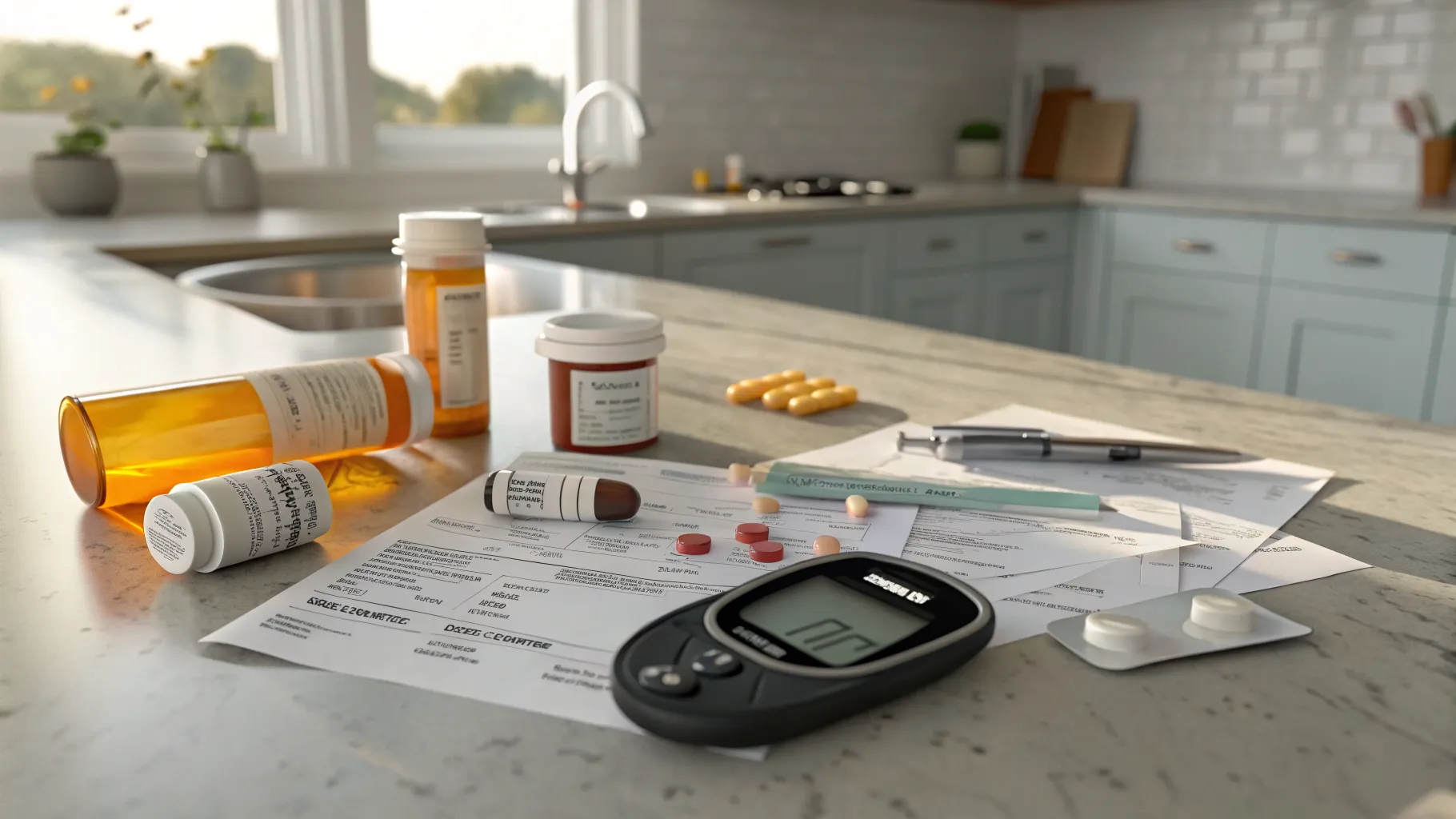
The overall diabetes treatment cost is not a single figure but a culmination of several ongoing expenses. Each aspect of care, from daily medications to advanced medical devices, contributes significantly to the financial burden faced by individuals.
Insulin and Other Essential Medications
For many individuals with type 1 diabetes and a substantial portion of those with type 2, insulin is a life-sustaining medication. However, insulin prices in the United States are notoriously high compared to other developed nations, leading to significant out-of-pocket expenses even with insurance. Beyond insulin, oral medications and injectables like GLP-1 receptor agonists or SGLT2 inhibitors also add to the monthly medication costs. The choice between brand-name drugs and their generic counterparts, when available, can significantly impact a patient's budget, but often, no generic option exists for newer, more effective treatments, locking patients into higher prices.
Medical Supplies and Devices
Effective diabetes management relies heavily on various medical supplies and devices. This includes glucose meters, test strips for regular blood sugar monitoring, lancets, and syringes or pen needles for insulin delivery. For a growing number of patients, advanced devices like insulin pumps and continuous glucose monitors (CGMs) offer better control and quality of life but come with substantial initial costs and ongoing supply expenses. These sophisticated tools, while invaluable, significantly increase overall healthcare expenses, making them inaccessible for many without robust insurance coverage.
Physician Visits and Specialty Care
Regular medical oversight is a cornerstone of effective diabetes management. This involves routine visits to a primary care physician, endocrinologists, and other specialists such as ophthalmologists for eye health, podiatrists for foot care, and nephrologists for kidney health. Each visit incurs co-pays or deductibles, and diagnostic tests like A1C measurements, cholesterol panels, and kidney function tests add further to the cumulative diabetes treatment cost. Preventive care is essential to avoid complications, but the cost of these ongoing appointments can be a barrier.
Hospitalizations and Emergency Care
Despite best efforts, individuals with diabetes can experience acute complications that necessitate emergency care or hospitalization. Diabetic ketoacidosis (DKA), severe hypoglycemia, or infections can lead to costly hospital stays, intensive care, and specialized treatments. These unexpected medical events can dramatically inflate a person's annual healthcare expenses, underscoring the importance of diligent diabetes management to prevent such costly episodes. The financial shock of an unforeseen hospitalization can be devastating for families already struggling with chronic disease costs.
Navigating Insurance and Out-of-Pocket Expenses
The role of health insurance is paramount in mitigating the immense diabetes treatment cost, yet even with coverage, out-of-pocket expenses can be substantial. Patients often face high deductibles that must be met before insurance fully kicks in, meaning they bear the full burden of initial medication costs and medical visits. Co-pays for prescriptions and doctor appointments, along with co-insurance percentages for services, can quickly accumulate. Different insurance plans, such as Preferred Provider Organizations (PPOs), Health Maintenance Organizations (HMOs), and High-Deductible Health Plans (HDHPs), offer varying levels of coverage and cost-sharing, making it challenging for patients to predict and manage their total healthcare expenses. Understanding one's plan specifics, including formulary tiers for medications and network restrictions for providers, is critical but often complex.
Strategies for Reducing Your Diabetes Treatment Cost
Managing the financial aspects of diabetes requires proactive planning and diligent research. While the overall diabetes treatment cost can seem overwhelming, several strategies can help alleviate some of the financial pressure associated with ongoing healthcare expenses.
- Utilize Patient Assistance Programs: Many pharmaceutical companies offer programs designed to help eligible patients afford high-cost medications, significantly reducing insulin prices and other crucial medication costs. Research these programs thoroughly.
- Explore Generic Alternatives: Whenever possible, opt for generic versions of oral diabetes medications or other prescriptions. These are often chemically identical to their brand-name counterparts but are significantly more affordable, directly impacting your diabetes treatment cost.
- Shop Around for Prescriptions: Prices for the same medication can vary widely between pharmacies. Use online tools and apps to compare prices at different local pharmacies, and consider mail-order pharmacies which may offer competitive pricing and convenience.
- Adhere to a Healthy Lifestyle: Maintaining a healthy diet, regular exercise, and appropriate weight can prevent or delay complications of diabetes, ultimately reducing the need for costly interventions and emergency care, thereby lowering long-term healthcare expenses.
- Understand Your Insurance Coverage: Thoroughly review your insurance policy to understand what is covered, including deductibles, co-pays, and formulary tiers for diabetes medications and supplies. This knowledge empowers you to make informed decisions about your diabetes management and avoid unexpected costs.
- Seek Financial Counseling: Some clinics or patient advocacy groups offer financial counseling services specifically for chronic disease management, helping patients navigate billing, insurance, and assistance options to minimize their diabetes treatment cost.
The Broader Economic Impact of Diabetes on the U.S. Healthcare System
Beyond individual financial burdens, the cumulative diabetes treatment cost places immense pressure on the entire U.S. healthcare system and economy. The societal healthcare expenses related to diabetes include not only direct medical costs but also indirect costs such as lost productivity due to illness, disability, and premature mortality. Employers face higher insurance premiums, and government programs like Medicare and Medicaid bear a substantial portion of the treatment costs. This broad economic impact underscores the urgent need for systemic solutions to control insulin prices and make comprehensive diabetes management more affordable and accessible for all, ensuring a healthier and more productive population.
Frequently Asked Questions
What is the average annual diabetes treatment cost in the U.S.?
The average annual diabetes treatment cost per person in the United States is estimated to be over $16,700, which includes direct medical costs and indirect costs such as lost productivity.
How do insulin prices affect overall healthcare expenses for diabetes patients?
Insulin prices significantly inflate overall healthcare expenses, often representing a substantial portion of a patient's monthly out-of-pocket costs, even with insurance. This disproportionate pricing forces many to ration or forgo essential medication.
Are there programs available to help with medication costs for diabetes?
Yes, many pharmaceutical companies offer patient assistance programs (PAPs) that can help eligible individuals cover the medication costs for diabetes, including insulin. Additionally, some non-profit organizations and state programs provide financial aid or resources.
References
- American Diabetes Association. Economic Costs of Diabetes in the U.S.
- Centers for Disease Control and Prevention. National Diabetes Statistics Report.
- KFF. The Role of Patient Assistance Programs in Covering Drug Costs.
- Pharmaceutical Research and Manufacturers of America. Medicine Costs and Patient Assistance.
- Various academic journals on healthcare economics and chronic disease management.
Authored by 24Trendz team