Understanding Depression in Older Women: Identifying Subtle Signs
Facts:
- Depression affects millions globally.
- Prevalence of geriatric depression for older women's mental health is often underestimated.
Unveiling the Nuances of Geriatric Depression in Older Women
Understanding the complexities of depression in older women requires a keen eye for often overlooked indicators. Unlike younger populations, depressive symptoms in elderly women frequently manifest subtly, masking profound struggles beneath the surface. This comprehensive guide aims to shed light on these less obvious indicators, equipping caregivers, family members, and individuals with the knowledge to recognize and address these crucial subtle signs of depression, thereby fostering better senior mental health and enhancing their emotional well-being in later life.
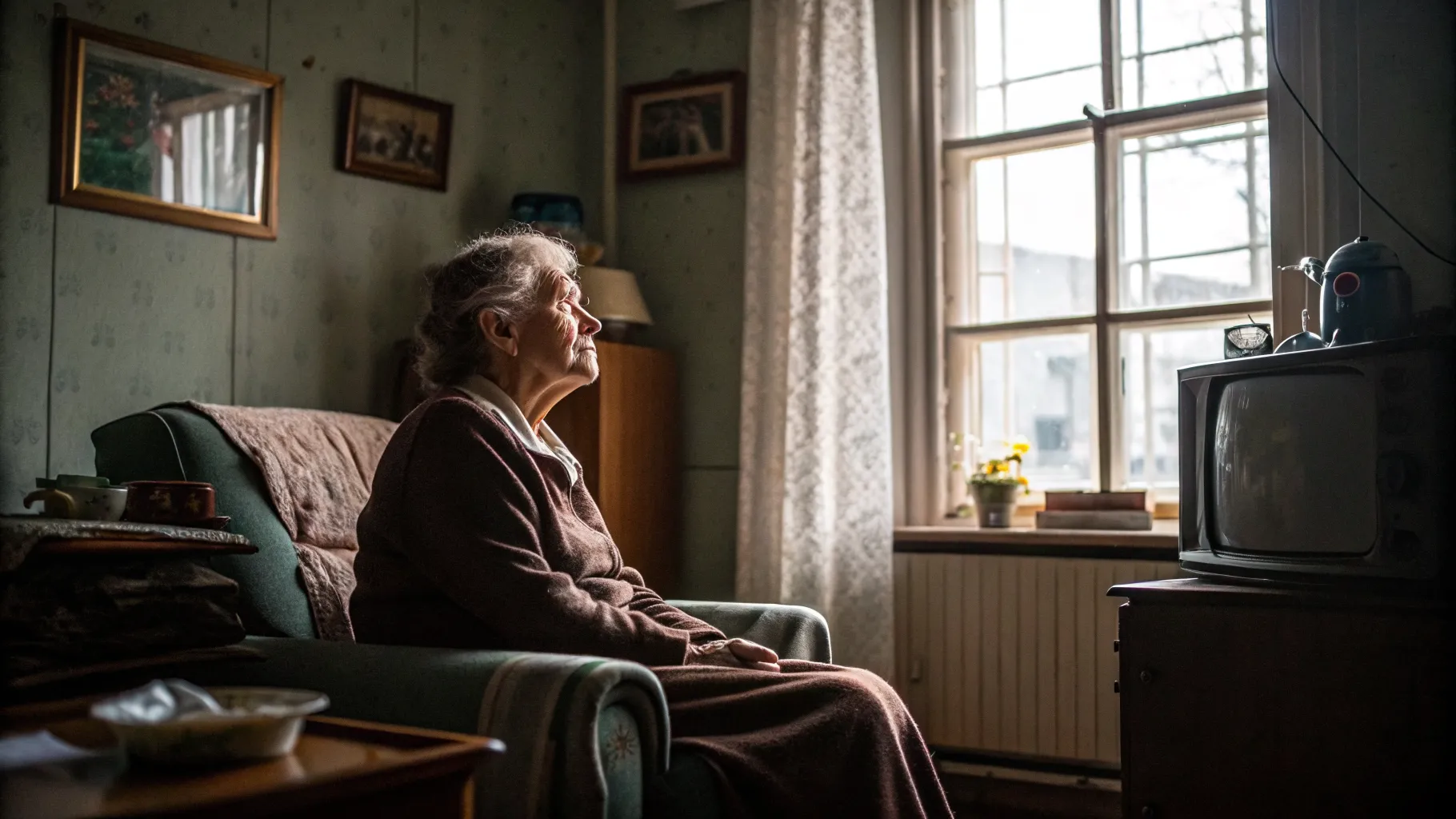
Recognizing Subtle Signs of Depression in Later Life
Persistent Fatigue and Low Energy
One of the most common yet frequently dismissed subtle signs of depression in older women is persistent and unexplainable fatigue. This isn't just about feeling a bit tired; it's a pervasive lack of energy that impacts daily activities, making even simple tasks feel overwhelming. This profound exhaustion can often be misattributed to normal aging or other medical conditions, delaying the recognition of underlying geriatric depression. It's crucial to differentiate between age-related tiredness and a debilitating lethargy that signals a deeper issue with emotional well-being in later life.
Changes in Appetite and Weight
Significant, unexplained changes in appetite, leading to either weight loss or gain, are critical indicators of potential depressive symptoms in elderly women. An older woman might suddenly lose interest in food, finding meals unappealing, or conversely, she might turn to comfort eating. These shifts can have serious health implications, including malnutrition or exacerbation of existing conditions. Such changes are often subtle, noticed only by those who share meals or closely observe her daily routines, underscoring the importance of vigilance in detecting these mood changes in older women.
Increased Irritability or Agitation
While often associated with sadness, depression in older women can present as increased irritability, agitation, or a general sense of restlessness. Instead of overt expressions of sorrow, an older woman might become easily frustrated, quick to anger, or display an unusual level of impatience. These mood changes in older women can be particularly confusing for family members, who might dismiss them as personality quirks or stress, rather than recognizing them as crucial subtle signs of depression impacting their senior mental health.
Social Withdrawal and Isolation
A noticeable retreat from social activities and a desire to remain isolated are significant indicators of declining emotional well-being in later life. An older woman who once enjoyed social gatherings, hobbies, or visits from family might suddenly lose interest, preferring to stay home alone. This withdrawal, often a deliberate act to avoid interaction, can compound feelings of loneliness and worsen geriatric depression. Recognizing this pattern is essential, as social connection is vital for maintaining robust older women's mental health.
Unexplained Aches and Pains
Physical symptoms without a clear medical cause are common depressive symptoms in elderly women. Chronic headaches, back pain, digestive issues, or general body aches that don't respond to typical treatments can be the body's way of manifesting psychological distress. These somatic complaints are challenging to diagnose as depression because they mimic many age-related physical ailments. A persistent, unexplainable physical discomfort should prompt consideration of senior mental health and potential subtle signs of depression.
Neglect of Personal Care
A decline in personal hygiene, grooming, or attention to one's living environment can be a profound subtle sign of depression. This might include wearing the same clothes for days, neglecting hair and teeth care, or letting the home become untidy. Such changes reflect a lack of motivation and energy, indicating a struggle with basic self-care tasks that were once routine. This neglect is often a visible manifestation of severe mood changes in older women and a clear signal that intervention for their emotional well-being in later life may be needed.
Memory Issues and Cognitive Slowing
While distinct from dementia, depressive symptoms in elderly women can significantly impact cognitive function, leading to apparent memory problems, difficulty concentrating, and slowed thinking. An older woman might struggle to follow conversations, forget appointments, or have trouble making decisions. These cognitive changes, often referred to as "pseudodementia," are reversible with effective depression treatment and highlight the profound link between geriatric depression and cognitive health, reinforcing the need to address older women's mental health comprehensively.
The Unique Challenges of Diagnosing Depression in Older Women
Diagnosing depression in older women presents unique obstacles compared to younger demographics. Firstly, older women are often less likely to report feelings of sadness, partly due to generational stoicism or a belief that depression is a normal part of aging. Secondly, the co-occurrence of multiple chronic medical conditions means that depressive symptoms in elderly women can be masked or misattributed to physical illnesses, making it difficult to pinpoint the true source of their distress. Furthermore, the atypical presentation of subtle signs of depression, such as irritability or physical pain instead of overt sadness, can lead healthcare providers to overlook the underlying geriatric depression. The stigma associated with mental illness also plays a significant role, deterring many from seeking help and discussing their emotional well-being in later life openly. Understanding these challenges is paramount for timely and accurate intervention, ensuring that older women's mental health receives the attention it deserves.
Nurturing Senior Mental Health: Actionable Advice
- Encourage Open Communication: Create a safe and non-judgmental environment where older women feel comfortable discussing their feelings, even the most challenging mood changes in older women. Active listening and empathy are crucial.
- Promote Social Engagement: Facilitate participation in social activities, clubs, or volunteer work to combat isolation, a major contributor to geriatric depression. Even small, regular social interactions can significantly improve emotional well-being in later life.
- Support Physical Activity: Encourage gentle exercises like walking, yoga, or tai chi, which are proven to boost mood and energy levels, positively impacting senior mental health and alleviating some subtle signs of depression.
- Ensure Access to Healthcare: Advocate for regular medical check-ups and ensure open communication with healthcare providers about all symptoms, including any suspected depressive symptoms in elderly women, to rule out physical causes and address mental health concerns.
- Seek Professional Help: If subtle signs of depression persist, encourage seeking evaluation from a mental health professional specializing in geriatric care. Therapy, medication, or a combination can be highly effective for older women's mental health.
Frequently Asked Questions
How does geriatric depression differ from sadness?
While sadness is a temporary emotional response to life's disappointments, geriatric depression is a persistent mood disorder lasting weeks or months, significantly impacting daily functioning and overall emotional well-being in later life. It often involves a broader range of symptoms, including physical complaints and cognitive difficulties, which are more profound than typical sadness. Recognizing these deep-seated mood changes in older women is key to identifying depression.
What resources are available for older women's mental health?
Numerous resources support older women's mental health, including geriatric psychiatrists, therapists specializing in aging, support groups, and community senior centers. Online platforms also offer mental health screening tools and information specific to senior mental health. Organizations focused on aging often provide helplines and directories for local support services, which can be vital for addressing depressive symptoms in elderly.
Can depressive symptoms in elderly be mistaken for dementia?
Yes, depressive symptoms in elderly women can often be mistaken for early signs of dementia, a condition sometimes called "pseudodementia." Both can cause memory problems, cognitive slowing, and difficulty concentrating. However, unlike dementia, cognitive impairments due to geriatric depression are often reversible with appropriate treatment for the underlying mental health condition. A thorough medical evaluation is essential to differentiate between the two.
References
- National Institute of Mental Health. (n.d.). Depression in Older Adults.
- World Health Organization. (n.d.). Mental health of older adults.
- American Psychological Association. (n.d.). Recognizing Depression in Older Adults.
Authored by 24Trendz team