A Guide to Croatia Island Hopping: Exploring the Adriatic Gems
Croatia’s Adriatic Sea is renowned for its crystal-clear waters, ancient towns, and a sprawling archipelago of over a thousand islands, each offering a unique charm. Island hopping provides an immersive way to discover the diverse landscapes, historical sites, and vibrant local cultures that define this beautiful country. Whether seeking bustling nightlife, serene natural parks, or quiet beaches, there is an island for every traveler's preference.
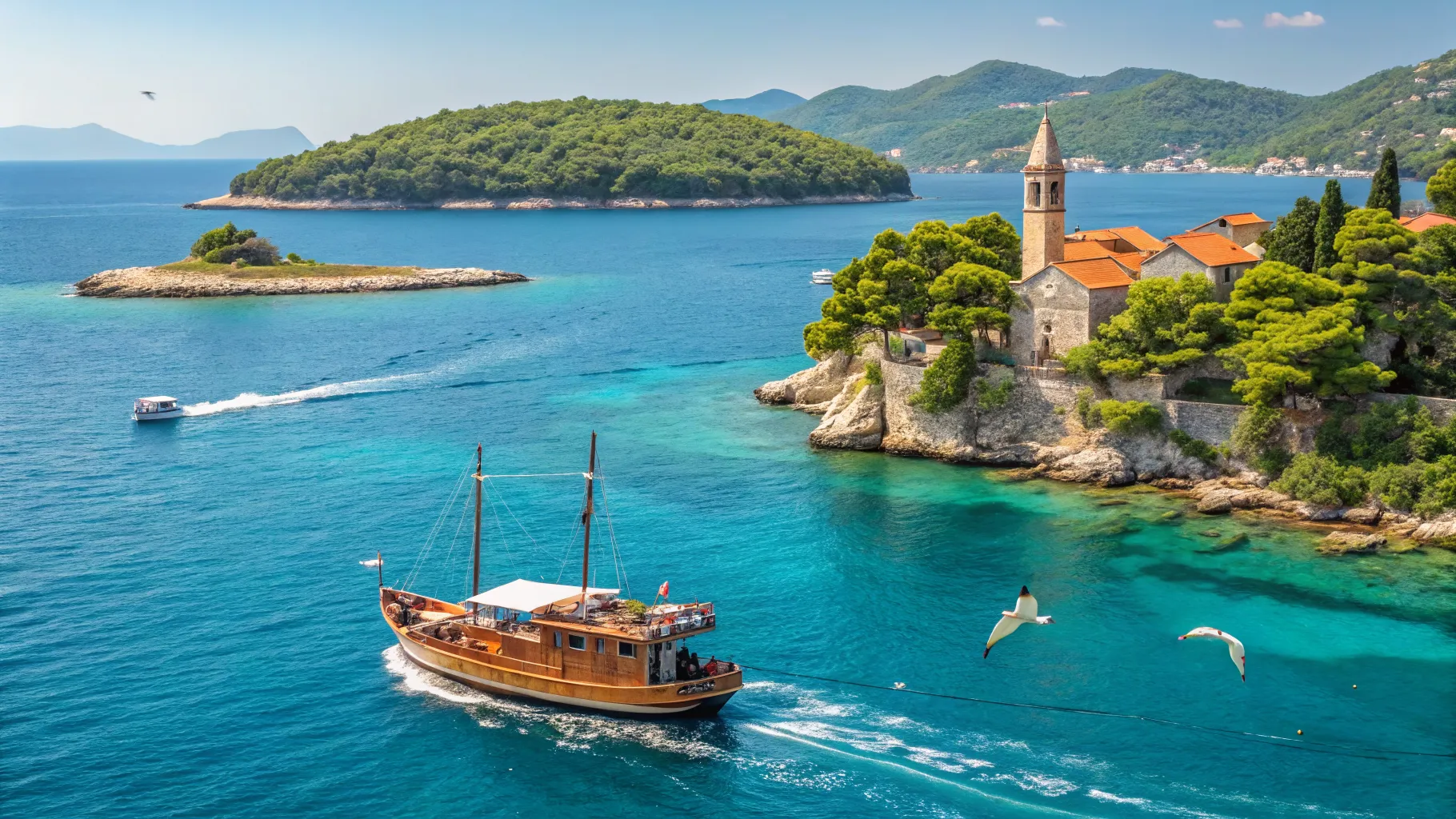
Understanding Croatia Island Hopping
Island hopping in Croatia primarily involves navigating between various islands along its extensive coast, predominantly in the Dalmatian region. This type of travel allows visitors to experience multiple destinations within a single trip, offering a broader perspective of Croatian life and scenery compared to staying in one fixed location. The experience can range from relaxing on secluded beaches to exploring medieval cities and participating in various water sports.
The concept is built around flexibility and discovery. Travelers can choose to focus on a specific cluster of islands, such as those near Split or Dubrovnik, or embark on a longer journey encompassing a wider range of the archipelago. Understanding the seasonal variations and transportation logistics is key to planning a successful island hopping adventure, as services and crowd levels can change significantly throughout the year.
Popular Regions for Island Hopping
Croatia's island-dotted coastline is broadly divided into several regions, each with its own character and cluster of islands perfect for exploration. The most popular area for island hopping is undoubtedly the Dalmatian Coast, which stretches from Zadar in the north down to Dubrovnik in the south.
Southern Dalmatia
This region is anchored by Dubrovnik and features islands known for their historical significance, lush greenery, and beautiful architecture. It offers a blend of cultural immersion and natural beauty.
- Lokrum: A small island just off Dubrovnik, known for its botanical gardens and Benedictine monastery.
- Korčula: Often called 'Little Dubrovnik,' famous for its medieval walled town, Marco Polo's alleged birthplace, and excellent wine.
- Mljet: Home to a stunning national park with two saltwater lakes, ideal for nature lovers.
Central Dalmatia
Centered around Split, this is arguably the most frequented region due to its excellent ferry connections and diverse islands catering to various interests, from party scenes to tranquil retreats.
- Brač: Known for Zlatni Rat (Golden Horn) beach, a unique V-shaped pebble beach near Bol.
- Hvar: Famous for its vibrant nightlife, lavender fields, and historic Hvar Town.
- Vis: A more remote island with untouched nature, beautiful coves, and the famed Blue Cave (on nearby Biševo island).
- Šolta: A quieter island known for its olive groves, vineyards, and traditional villages.
Northern Dalmatia
While less traversed for island hopping compared to its southern counterparts, the islands around Zadar offer a rugged charm and a focus on natural parks.
- Dugi Otok: Features Sakarun beach, a long sandy bay, and Telašćica Nature Park with impressive cliffs.
- Kornati Islands: A national park composed of 89 uninhabited islands, islets, and reefs, a haven for sailors and divers.
Ways to Island Hop: Exploring Your Options
Navigating Croatia's islands can be done through several methods, each offering different levels of flexibility, cost, and experience. Understanding these options is crucial for planning a trip that aligns with individual preferences and budget.
Public Ferries and Catamarans
The most common and often most economical way to island hop is by utilizing Croatia's extensive network of public ferries and catamarans. Companies like Jadrolinija, Krilo Shipping, and Kapetan Luka operate frequent routes connecting mainland ports with major islands and even inter-island routes. Ferries are generally larger and can transport vehicles, while catamarans are faster, passenger-only vessels.
This option provides a reliable schedule and is suitable for independent travelers. It requires some planning, especially during peak season, as popular routes can sell out. Travelers should check timetables in advance and consider booking tickets online, particularly for faster catamarans.
Private Boat Charters
For those seeking a more personalized and luxurious experience, private boat charters offer unparalleled flexibility. This can range from hiring a small speedboat for a day trip to chartering a fully crewed yacht for several days or weeks. Private charters allow travelers to set their own itinerary, explore secluded coves, and reach islands not easily accessible by public transport.
While significantly more expensive than public transport, private charters are ideal for groups or families and offer a high degree of comfort and privacy. Options include bareboat charters (where you pilot the boat yourself, requiring a valid license) or skippered charters (where a professional captain handles navigation).
Organized Tours
Several tour operators offer organized island hopping packages, which can be a convenient option for travelers who prefer a structured itinerary. These tours often include accommodation, transportation between islands, and sometimes even meals and guided excursions.
Organized tours take the stress out of planning and logistics, making them suitable for first-time visitors or those who prefer a guided experience. They often follow popular routes and may visit multiple islands in a single day or over several days. While less flexible than independent travel, they can offer a comprehensive and hassle-free way to see the islands.
What to Consider Before You Go
Successful island hopping in Croatia hinges on thoughtful preparation. Several factors can significantly impact the experience, from the time of year to essential packing items.
The best time to visit for island hopping is generally during the shoulder seasons of May, early June, or September. During these months, the weather is pleasant, the crowds are smaller than in peak summer (July and August), and prices for accommodation and transport are often more reasonable. July and August offer the warmest sea temperatures and liveliest atmosphere but come with larger crowds and higher costs. Outside of the main season, many ferry services reduce their frequency, and some tourist amenities may be closed.
- Booking in Advance: Especially during peak season, booking ferries, catamarans, and accommodation well in advance is highly recommended to secure your preferred choices and potentially better prices.
- Travel Documents: Ensure your passport or ID card is valid for your entire stay. Check any visa requirements if applicable.
- Currency: Croatia uses the Euro (€). While credit cards are widely accepted in urban areas and on larger islands, having some cash is advisable for smaller shops, markets, and remote locations.
- Packing Essentials: Swimwear, sunscreen, sunglasses, a hat, comfortable walking shoes, and light clothing are crucial. A reusable water bottle is also a good idea.
- Flexibility: While planning is important, maintaining some flexibility in your itinerary can be beneficial, especially if weather conditions affect ferry schedules.
Must-Visit Islands and Their Highlights
With such a vast number of islands, choosing which ones to visit can be daunting. Each island boasts unique attractions, from ancient historical sites to stunning natural wonders. Focusing on a few key islands can provide a rich and varied experience.
Hvar: The Sunniest Island
Hvar is celebrated for its sun-drenched landscapes, vibrant nightlife, and rich history. Hvar Town, with its 13th-century walls, offers a stunning blend of Venetian architecture and bustling squares. The island is also famous for its fragrant lavender fields, which bloom brilliantly in early summer, and the Pakleni Islands archipelago just offshore, ideal for secluded swimming and sunbathing.
Korčula: A Walled Medieval Town
Often referred to as 'Little Dubrovnik,' Korčula captivates visitors with its impeccably preserved medieval walled town. Believed to be the birthplace of Marco Polo, the town's narrow, curving streets are a delight to explore. The island is also known for its Grk and Pošip wines, making it a wonderful destination for wine enthusiasts.
Brač: Zlatni Rat Beach
Brač is the largest island in Dalmatia and home to the iconic Zlatni Rat (Golden Horn) beach near Bol. This unique, ever-changing pebble beach extends into the Adriatic Sea and is a paradise for windsurfers and sunbathers. The island also offers charming inland villages and opportunities for hiking, including climbing Vidova Gora, the highest peak in the Adriatic islands.
Vis: Secluded Beauty
Vis stands out for its relatively untouched natural beauty and laid-back atmosphere, having been a military base until 1989. Its rustic charm, pristine beaches, and clear waters attract those looking for a quieter escape. The island is also the gateway to the stunning Blue Cave on the nearby islet of Biševo, famous for its mesmerizing iridescent blue light.
Mljet: National Park Serenity
For nature lovers, Mljet is an absolute must-visit. A significant portion of the island is designated as a national park, featuring two interconnected saltwater lakes, Veliko Jezero and Malo Jezero, complete with an island monastery. The park offers excellent opportunities for cycling, kayaking, hiking, and simply enjoying the tranquil natural environment.
Tips for a Smooth Island Hopping Experience
To maximize enjoyment and minimize stress during your Croatian island hopping adventure, keeping a few practical tips in mind can be very helpful. Flexibility, local knowledge, and smart packing are key ingredients for a seamless journey.
- Stay Flexible: While planning is good, be prepared for occasional changes, especially with ferry schedules due to weather conditions. Having a buffer day or two in your itinerary can be beneficial.
- Check Ferry Schedules: Always confirm ferry and catamaran timetables a day or two before departure, as they can change seasonally or due to unforeseen circumstances. Websites of companies like Jadrolinija are reliable sources.
- Travel Light: Hauling heavy luggage across ferries, cobblestone streets, and between accommodations can be cumbersome. Pack essentials in a backpack or a smaller, easy-to-manage suitcase.
- Early Bird Gets the Worm: For popular attractions, restaurants, or morning ferries during high season, arriving early can help avoid queues and secure a spot.
- Stay Hydrated and Sun Protected: The Croatian sun can be intense, especially during summer. Drink plenty of water and use high-SPF sunscreen, even on cloudy days.
- Embrace Local Culture: Try local cuisine, learn a few basic Croatian phrases, and engage with the friendly locals. This can significantly enrich your travel experience.
Navigating Practicalities: Accommodation and Transport
Understanding the logistics of staying on and moving between the islands is essential for a stress-free trip. Accommodation options vary widely, as do the methods for inter-island travel.
Accommodation on the islands ranges from luxury hotels and boutique guesthouses to private apartments, villas, and budget-friendly hostels. It is highly advisable to book accommodation in advance, particularly if traveling during the peak summer months or to popular islands like Hvar and Korčula. Many smaller islands and towns offer charming family-run guesthouses (sobe), which provide a more authentic local experience.
For inter-island transport, as mentioned, public ferries and catamarans are the backbone of the system. Once on an island, local transport options typically include buses, taxis, scooters, and rental cars (on larger islands like Brač or Korčula). Renting a scooter can be a fantastic way to explore smaller islands at your own pace, while buses connect major towns and beaches on larger landmasses. For destinations like the Kornati Islands, organized boat excursions are the primary way to visit.
Authored by 24Trendz team