Comprehensive X Ray Technician Training Guide 2025
X-Ray Technician Training Guide
Becoming an X-Ray Technician is a fantastic career choice if you have a passion for healthcare and technology. This role combines medical knowledge with technical skills, allowing you to play a crucial role in patient diagnosis and treatment. In this guide, we will explore the various training programs available, the educational qualifications required, and the costs involved in becoming an X-Ray Technician in 2025.
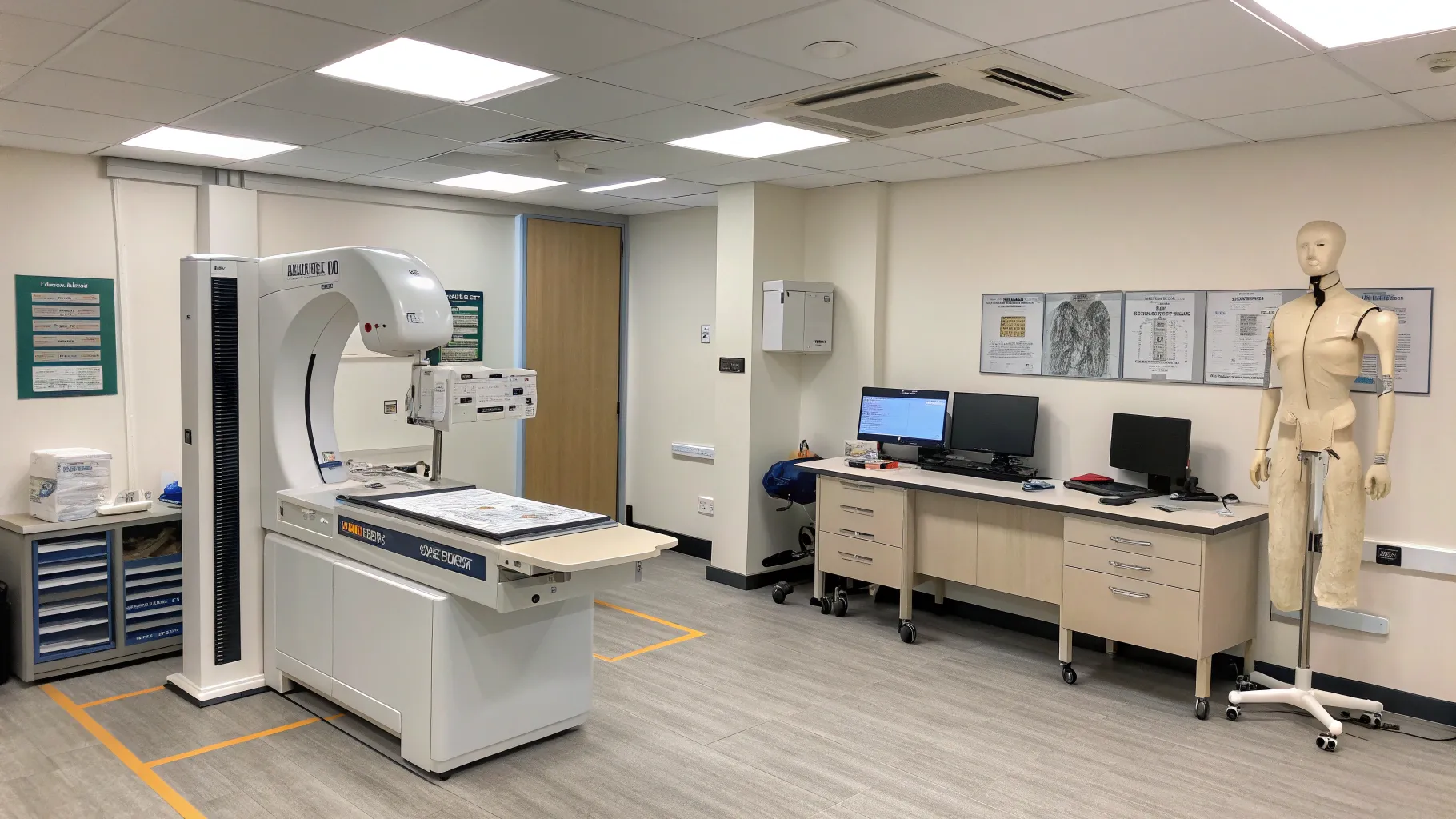
X-Ray Technician Training Programs
X-Ray Technician training programs are designed to equip students with the knowledge and skills necessary to operate imaging equipment safely and effectively. Most programs can be completed in one to two years, resulting in either a certificate or an associate degree.
The Path to Becoming an X-Ray Technician
- Complete High School Education: A high school diploma or equivalent is typically the first step. Courses in biology, chemistry, and physics can be beneficial.
- Enroll in a Training Program: Many community colleges and technical schools offer accredited X-Ray Technician training programs. These programs generally teach anatomy, patient care, radiographic techniques, and safety procedures.
- Gain Clinical Experience: Most programs include hands-on clinical training where you can apply what you've learned in real-life settings under the supervision of experienced professionals.
- Pass National Certification Exam: After completing your training, you will need to pass an exam, such as the American Registry of Radiologic Technologists (ARRT) certification. This certification is crucial for most employers.
- Get State Licensure: Many states require X-Ray Technicians to be licensed. Check with your local state board to understand the specific requirements.
In the last six months, many institutions have updated their curricula to incorporate advancements in imaging technology and patient care protocols, ensuring that graduates are well-prepared for their roles.
X-Ray Technician Degree Program
Degree programs for X-Ray Technicians vary but most common options include:
1. Associate Degree: This is the most common path, typically taking about two years to complete and covering extensive coursework in anatomy and pathology, physics, and technical imaging skills.
2. Certificate Programs: These usually take about one year and focus primarily on the skills needed to perform X-Ray procedures, emphasizing practical training.
3. Bachelor’s Degree: Although less common, earning a bachelor's degree can be beneficial for career advancement and may offer specialized training in areas like MRI or CT imaging.
According to the American Registry of Radiologic Technologists, approximately 27,000 new registrants entered the field just last year, highlighting the increasing interest in this career path.
Key Topics Covered in Training Programs
Training for X-Ray Technicians includes various modules, some of which are crucial for effective performance in the field. Here are a few key subjects:
- Radiation Safety: Understanding the principles of radiation protection for both patients and staff.
- Patient Care and Ethics: Learning how to provide compassionate care while maintaining ethical standards.
- Radiographic Procedures: Mastering different techniques and procedures to capture quality images.
- Equipment Operation: Gaining practical skills in operating X-ray machines and other imaging technology.
By covering such comprehensive topics, training programs ensure that graduates can perform their duties confidently and competently.
X-Ray Tech Training Cost
The cost of training programs can vary significantly based on the type of institution, length of the program, and location. On average, prospective X-Ray Technicians can expect to pay:
- Associate Degree Programs: Typically range from $12,000 to $30,000 depending on the school.
- Certificate Programs: These may cost between $8,000 to $20,000.
- Additional Costs: Don’t forget about resources like textbooks, uniforms, and exam fees which can add another $1,000 to $2,000.
Fortunately, many schools provide financial aid options and scholarships for students who qualify. It’s advisable to explore these avenues to lessen the financial burden.
Training for Beginners and Career Changers
If you are a beginner interested in starting a career as an X-Ray Technician, or if you are considering a career change, you will find that many training programs are designed to accommodate individuals from diverse backgrounds and experiences. Here’s how to navigate the road to becoming an X-Ray Technician:
- Research Programs: Look for programs at community colleges and vocational schools that offer flexible schedules, especially if you are balancing work or other commitments.
- Attend Information Sessions: Many schools host sessions to provide more details about their programs and what to expect as a student.
- Network with Professionals: Connecting with existing X-Ray Technicians or professionals in the field can offer insights and guidance on your educational journey.
- Be prepared for a Rigorous Curriculum: Expect a blend of theoretical knowledge and practical skills that will prepare you for the fast-paced environment of healthcare.
Many individuals have successfully transitioned into healthcare from vastly different fields, benefiting from the structured training and support systems provided by educational institutions.
As the healthcare sector continues to evolve and expand, the demand for skilled X-Ray Technicians remains strong. Enrolling in an accredited X-Ray Technician training program is your first step towards a rewarding career that not only offers a steady paycheck but also contributes positively to patient care.
Authored by 24Trendz team