Comparing Different Types of Orthopedic Surgery: A Guide to Joint Replacement and Beyond
Facts:
- Orthopedic procedures significantly improve life quality.
- Minimally invasive surgery is a growing trend for faster recovery.
Exploring the Landscape of Modern Orthopedic Surgery Techniques
Understanding the vast array of available orthopedic surgery options is crucial for patients facing musculoskeletal issues. From degenerative joint diseases to sports injuries, advancements in surgical techniques offer tailored solutions. This guide aims to demystify the complexities of various procedures, helping patients and caregivers navigate decisions regarding joint replacement and other interventions, considering factors like expected outcomes and recovery time.
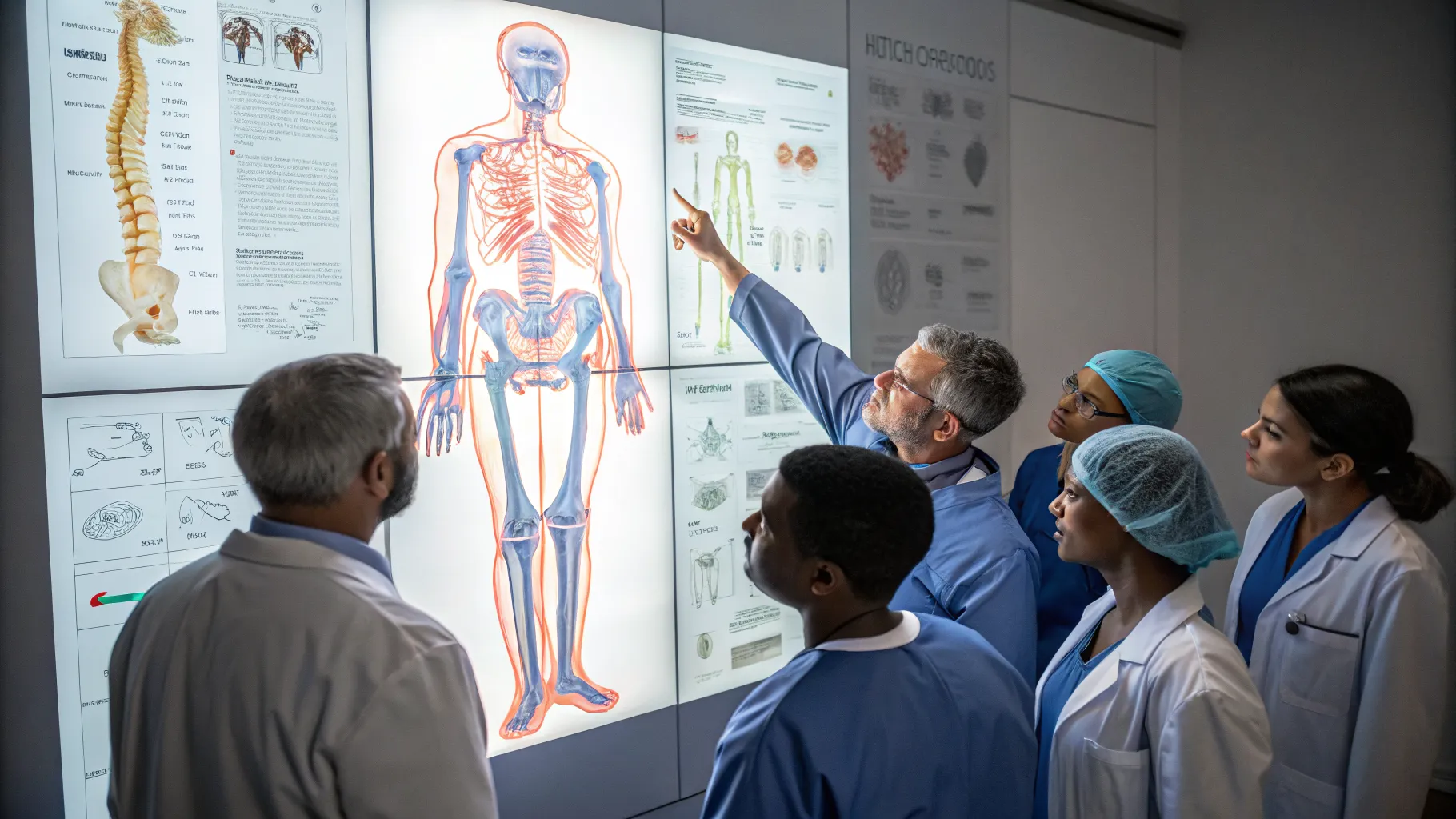
Common Orthopedic Surgical Techniques Explained
Joint Replacement Surgery
Joint replacement surgery, also known as arthroplasty, is one of the most transformative types of orthopedic surgery, primarily addressing severe arthritis or extensive joint damage. Procedures commonly include total hip replacement, knee replacement, and shoulder replacement. During this intricate surgery, damaged bone and cartilage are removed and replaced with prosthetic components made of metal, plastic, or ceramic. The goal is to alleviate pain, restore joint function, and improve the patient's quality of life. The choice of prosthesis depends on factors like the patient's age, activity level, and the specific joint being replaced. While offering significant long-term relief, these procedures often involve a substantial recovery time that includes physical therapy and rehabilitation.
Arthroscopy
Arthroscopy is a minimally invasive surgery technique that allows surgeons to visualize, diagnose, and treat problems inside a joint. A small incision is made, and a tiny camera (arthroscope) is inserted, providing real-time images on a monitor. Through additional small incisions, specialized instruments can be introduced to perform repairs. Common arthroscopic procedures include meniscus repair in the knee, rotator cuff repair in the shoulder, and treatment for carpal tunnel syndrome in the wrist. The benefits of arthroscopy often include smaller incisions, less pain, reduced blood loss, and a shorter recovery time compared to traditional open surgery, making it a preferred option for many localized joint issues.
Spinal Fusion
Spinal fusion is a surgical procedure used to permanently connect two or more vertebrae in your spine, eliminating motion between them. This technique is typically employed to treat spinal instability, deformities, or severe pain caused by conditions like scoliosis, spinal stenosis, or herniated discs that haven't responded to conservative treatments. During the procedure, bone grafts (either from the patient or a donor) are used to encourage the vertebrae to grow together over time, often reinforced with metal plates, screws, or rods. The aim is to stabilize the spine and reduce pain. While highly effective, spinal fusion is a major orthopedic surgery with a prolonged recovery time, requiring careful post-operative management and rehabilitation to ensure successful fusion and prevent complications.
Fracture Repair
Fracture repair encompasses a variety of surgical techniques aimed at restoring the anatomical alignment and stability of broken bones. When a bone fracture is severe, displaced, or involves a joint, surgical intervention is often necessary. Internal fixation involves using metal implants such as plates, screws, rods, or wires to hold the bone fragments in place while they heal. External fixation uses pins inserted into the bone, which are then connected to an external frame. The choice of method depends on the type, location, and severity of the fracture. The primary objective of fracture repair is to facilitate proper bone healing, reduce pain, and restore function, with rehabilitation being a critical component of the recovery time.
Ligament and Tendon Reconstruction
Ligament and tendon reconstruction surgeries are performed to repair or replace damaged soft tissues that connect bones or muscles to bones. Common examples include anterior cruciate ligament (ACL) reconstruction in the knee, rotator cuff repair in the shoulder, and Achilles tendon repair. These injuries often result from sports activities, trauma, or degenerative changes. The procedures typically involve either stitching the torn tissues back together or using a graft (from the patient or a donor) to replace the damaged structure. The goal is to restore joint stability, range of motion, and strength. These are often complex orthopedic surgery procedures that demand specific post-operative protocols and an extended recovery time involving intensive physical therapy to regain full function.
Choosing the Right Orthopedic Intervention
Deciding on the most appropriate orthopedic surgery involves a thorough evaluation of several critical factors. The patient's age, overall health, activity level, and the specific nature and severity of their musculoskeletal condition all play significant roles. For instance, a younger, highly active individual with a torn meniscus might benefit greatly from arthroscopy, allowing for a quicker return to sports. Conversely, an older patient with severe, debilitating arthritis might find **joint replacement** to be the most effective long-term solution for pain relief and mobility. Surgeons also consider the patient's lifestyle and expectations for post-surgical function. Advanced diagnostic imaging, such as MRI and CT scans, provides detailed insights into the extent of damage, guiding the surgeon in recommending either traditional open surgery or a minimally invasive surgery approach. It is paramount to engage in comprehensive discussions with your orthopedic specialist to understand the potential benefits, risks, and expected recovery time associated with each surgical option, ensuring an informed decision tailored to individual needs.
Navigating Post-Operative Care and Recovery
- Adhere to Physical Therapy Regimen: Consistent and correct execution of prescribed physical therapy exercises is fundamental for restoring strength, flexibility, and range of motion. Early mobilization, as advised by your therapist, can significantly impact the overall recovery time and prevent stiffness.
- Manage Pain Effectively: Follow your doctor's instructions for pain medication. Adequate pain management is crucial not only for comfort but also to allow for participation in physical therapy. Communicate any uncontrolled pain to your healthcare team promptly.
- Understand Activity Restrictions: Depending on the type of orthopedic surgery, there will be specific weight-bearing, lifting, or movement restrictions. Adhering to these limitations protects the surgical site and promotes proper healing, preventing setbacks in your recovery time.
- Monitor for Complications: Be vigilant for signs of infection (fever, redness, warmth, pus at incision site), deep vein thrombosis (swelling, pain in calf), or nerve damage (numbness, tingling). Early detection and intervention are vital for addressing any post-operative issues.
- Maintain a Healthy Lifestyle: Proper nutrition, adequate hydration, and avoidance of smoking can significantly enhance the body's healing capacity and contribute to a smoother, faster recovery.
Frequently Asked Questions
What is the typical recovery time after major orthopedic surgery?
The typical recovery time varies significantly depending on the specific type of orthopedic surgery performed. For instance, arthroscopy might have a recovery period of a few weeks, whereas a total joint replacement or spinal fusion could require several months to a year for complete recovery, including intensive physical therapy and rehabilitation. Factors such as patient age, overall health, and adherence to post-operative instructions also play a crucial role in the duration of recovery.
Are there alternatives to joint replacement surgery?
Yes, there are often alternatives to joint replacement surgery, especially for less severe conditions. These can include conservative treatments such as physical therapy, pain management injections (like corticosteroid or hyaluronic acid), anti-inflammatory medications, weight management, and activity modification. For some conditions, less invasive surgical procedures like osteotomy (bone realignment) or cartilage repair may also be considered before opting for a full joint replacement.
How does minimally invasive surgery differ from traditional open surgery?
Minimally invasive surgery (MIS), such as arthroscopy, involves smaller incisions, specialized instruments, and often a camera to perform the procedure without widely opening the surgical area. Traditional open surgery, in contrast, requires a larger incision to give the surgeon direct visualization and access to the operative site. MIS generally results in less tissue trauma, reduced blood loss, smaller scars, and often a shorter hospital stay and faster initial recovery time compared to open surgery, though the specific benefits vary by procedure.
References
- American Academy of Orthopaedic Surgeons (AAOS)
- Journal of Bone and Joint Surgery
- Orthopaedic Research Society
- National Institutes of Health (NIH) - Orthopaedics
- World Health Organization (WHO) - Musculoskeletal Health
Authored by 24Trendz team