Understanding Cancer Treatment Costs in Canada: A Comprehensive Guide
Facts:
- Canada's universal healthcare covers physician and hospital services.
- Cancer treatment costs Canada vary significantly by province and treatment type.
Navigating the Financial Landscape of Cancer Treatment in Canada
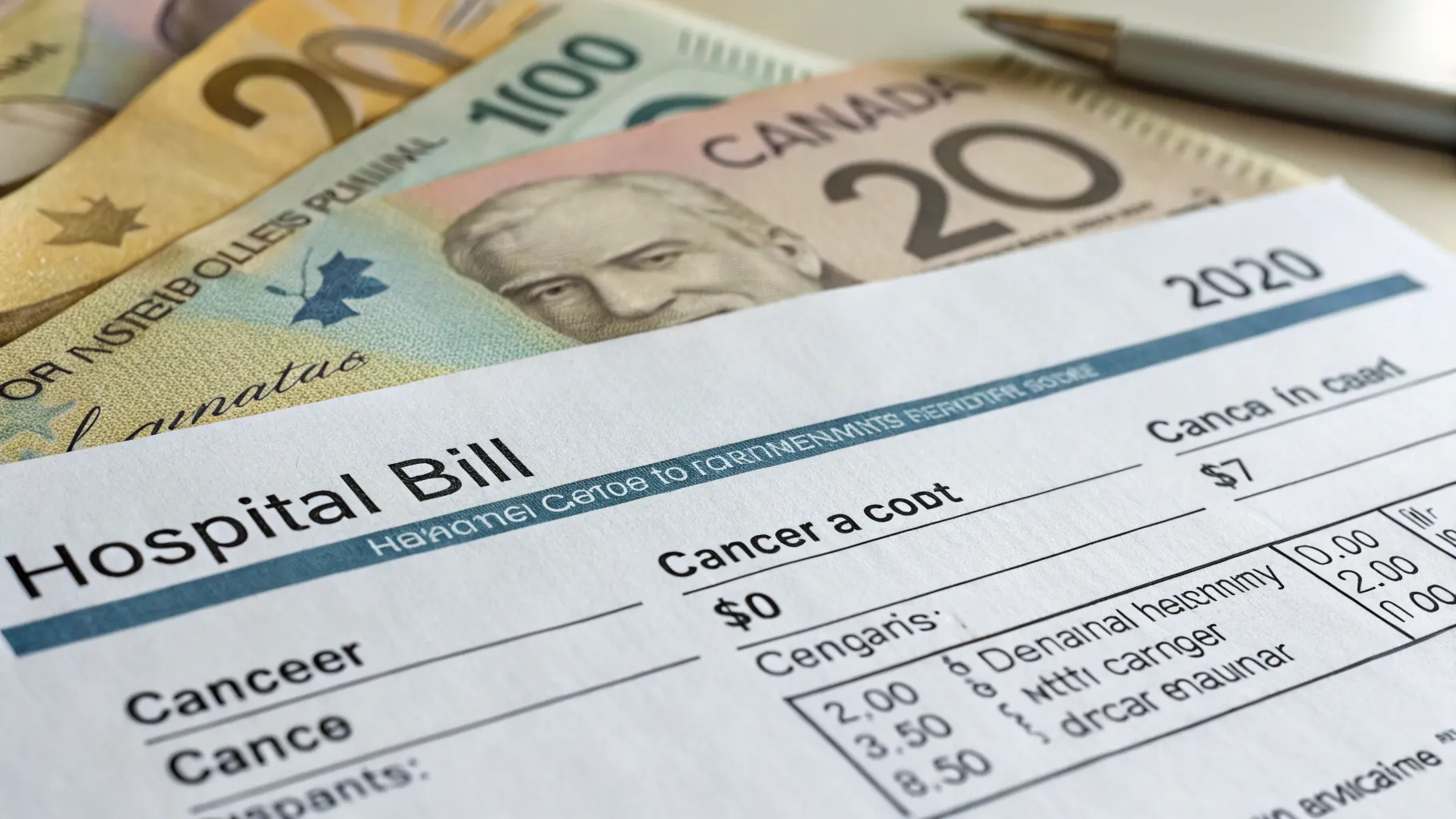
Navigating a cancer diagnosis brings immense emotional and physical challenges, but for many Canadians, understanding the financial implications is an equally daunting task. While Canada boasts a universal healthcare system designed to cover essential medical services, the reality of cancer care costs Canada extends beyond just hospital stays and doctor visits. Patients often face substantial out-of-pocket medical expenses for vital elements of their treatment and recovery, leading to an unexpected financial burden of cancer. This guide aims to demystify these costs, providing a clear picture of what individuals and families might encounter.
Key Components of Cancer Treatment Costs in Canada
While the Canada Health Act ensures that medically necessary hospital and physician services are publicly funded, the full spectrum of cancer treatment costs Canada often includes significant expenses not covered by provincial health plans. These can range from critical medications to supportive care, creating a complex financial picture for patients. Understanding these different components is crucial for effective financial planning and seeking appropriate support.
Prescription Drug Costs and Coverage
One of the most substantial areas of out-of-pocket medical expenses for cancer patients relates to prescription drugs. While some intravenous cancer drugs administered in hospitals are covered, many oral chemotherapy drugs, supportive medications, and drugs used off-label are not automatically funded. Provincial drug formularies vary widely, leading to discrepancies in coverage across the country. Patients without private insurance or robust provincial drug plans can face thousands of dollars in monthly costs, exacerbating the financial burden of cancer. Navigating these formularies and appealing for special access can be a complex and time-consuming process for patients and their families, adding another layer of stress.
Indirect Costs and Non-Medical Expenses
Beyond direct medical bills, the indirect healthcare expenses Canada cancer patients face are often overlooked but can accumulate rapidly. These include travel costs for appointments, especially for those living in rural areas requiring trips to urban cancer centers. Accommodation expenses for extended treatments away from home, parking fees at hospitals, and even lost income due to inability to work during treatment or recovery contribute significantly to the overall cancer care costs Canada. Furthermore, specialized nutritional supplements, wigs, prosthetics, and home care support may not be covered, forcing patients to dip into savings or rely on family support.
Provincial Variations and Support Programs for Cancer Care
The landscape of cancer care costs Canada is not uniform across the country; significant provincial variations exist in drug coverage, supportive care programs, and access to services. Each province manages its own health insurance plan and drug formulary, leading to a patchwork of benefits. For example, some provinces may cover specific oral chemotherapy drugs that others do not, creating disparities in access and financial equity for patients. This regional difference can intensify the financial burden of cancer for individuals depending on where they reside, often necessitating cross-provincial comparisons of drug benefit plans.
Understanding Provincial Drug Formularies
Each province and territory maintains its own list of publicly funded prescription drugs, known as a formulary. These formularies dictate which medications are covered, under what conditions, and for whom. For cancer patients, this means that a drug covered in Ontario might not be covered in Alberta, or vice versa, leading to considerable stress and potential delays in accessing vital treatments. Patients are often required to meet specific clinical criteria or fail other treatments before a high-cost drug is approved. Understanding these complex rules, often with the help of oncology social workers or pharmacists, is critical for patients to secure coverage and mitigate their prescription drug costs Canada.
Available Financial Assistance Programs
Despite the challenges, various programs exist to help alleviate the financial burden of cancer. Provincial governments often have compassionate access programs for drugs not on formularies, though these can be difficult to navigate. Non-profit organizations such as the Canadian Cancer Society offer financial aid, transportation assistance, and support services. Pharmaceutical companies also have patient assistance programs for their specific drugs. Additionally, federal programs like the Disability Tax Credit can provide some relief. Patients are strongly advised to explore all available avenues of support to minimize their out-of-pocket medical expenses, highlighting the need for proactive research and advocacy.
Strategies to Manage Cancer-Related Healthcare Expenses Canada
Proactive financial planning and informed decision-making are vital for mitigating the significant healthcare expenses Canada cancer patients might face. Understanding the potential costs upfront and exploring all available options can significantly reduce the financial burden of cancer, allowing patients to focus more on their recovery and well-being. This requires a multi-faceted approach, combining insurance review, seeking professional advice, and leveraging community resources.
- Review Existing Insurance Policies Thoroughly: Before or immediately after diagnosis, meticulously review any private health insurance, employer benefits, or travel insurance policies. Understand what drugs, therapies, paramedical services (e.g., physiotherapy, massage, psychology), and medical equipment are covered. Pay close attention to deductibles, co-pays, annual limits, and any pre-existing condition clauses. This step can reveal crucial gaps or unexpected coverage for your cancer care costs Canada.
- Consult with a Financial Advisor Specializing in Healthcare: Seek advice from a financial planner who understands the intricacies of healthcare costs and government benefits in Canada. They can help with budgeting, understanding disability benefits, accessing tax credits (like the Disability Tax Credit), and exploring options for managing lost income. Their expertise can be invaluable in navigating the long-term financial burden of cancer.
- Leverage Hospital Social Workers and Patient Navigators: Most cancer centers employ social workers or patient navigators who are experts in connecting patients with financial assistance programs, provincial drug plans, and community resources. They can help you apply for drug coverage, navigate complex forms, and find support for indirect costs like transportation or accommodation, directly impacting your out-of-pocket medical expenses.
- Explore Non-Profit and Charitable Organizations: Many charities, such as the Canadian Cancer Society and provincial cancer agencies, offer grants, subsidies, and support programs for cancer patients. These can help with medication costs, prosthetics, wigs, transportation, and even basic living expenses. Actively seeking out these resources can significantly alleviate immediate financial pressures.
- Discuss Treatment Options and Costs with Your Care Team: Have open conversations with your oncologist and care team about the costs associated with different treatment pathways. Inquire about generic drug alternatives, clinical trials that might cover some expenses, or less costly but equally effective treatment protocols. Understanding the financial implications of each option allows for informed decision-making regarding your healthcare expenses Canada.
Frequently Asked Questions
Are all cancer treatments covered by Canadian healthcare?
No, not all aspects of cancer treatment are fully covered. While physician services and hospital stays are typically covered under provincial health plans, patients often face significant out-of-pocket medical expenses for prescription drugs (especially oral chemotherapy taken at home), paramedical services, medical equipment, travel, and accommodation. The extent of coverage varies by province and individual insurance plans, contributing to the overall cancer care costs Canada.
What are common out-of-pocket medical expenses for cancer patients?
Common out-of-pocket medical expenses include costs for non-formulary prescription drugs, specialized nutritional supplements, wigs, prosthetics, home care services, psychological counseling not covered by basic plans, and significant indirect costs such as travel, parking, and lost income. These cumulative expenses can create a considerable financial burden of cancer for many families.
How can I get help with prescription drug costs for cancer in Canada?
To manage prescription drug costs Canada, you can explore several avenues: check your provincial drug formulary, inquire about compassionate access programs, review your private health insurance or employer benefits, look into patient assistance programs offered by pharmaceutical companies, and connect with hospital social workers who can guide you to relevant charities and support organizations. Proactive research is key.
References
- Government of Canada. Canada Health Act.
- Canadian Cancer Society.
- Provincial Ministries of Health.
- Various academic studies on healthcare costs in Canada.
Authored by 24Trendz team