Boost Your Bone Health: Essential Bone Density Foods and Calcium Sources
Fast Facts:
- Calcium intake is crucial for lifelong bone strength.
- Vitamin D deficiency is a common trend for bone health decline.
Understanding the Foundation of Strong Bones
Maintaining optimal bone health throughout life is paramount for preventing debilitating conditions such as osteoporosis. The strength and density of our bones are significantly influenced by our dietary choices, with certain bone density foods and calcium sources playing a critical role in their development and maintenance. This comprehensive guide delves into the essential nutrients and food groups that contribute to robust skeletal integrity, offering detailed insights into how to integrate them effectively into your daily diet for long-term well-being. Focusing on a balanced intake of key minerals and vitamins is not just about avoiding future problems; it's about building a strong foundation today.
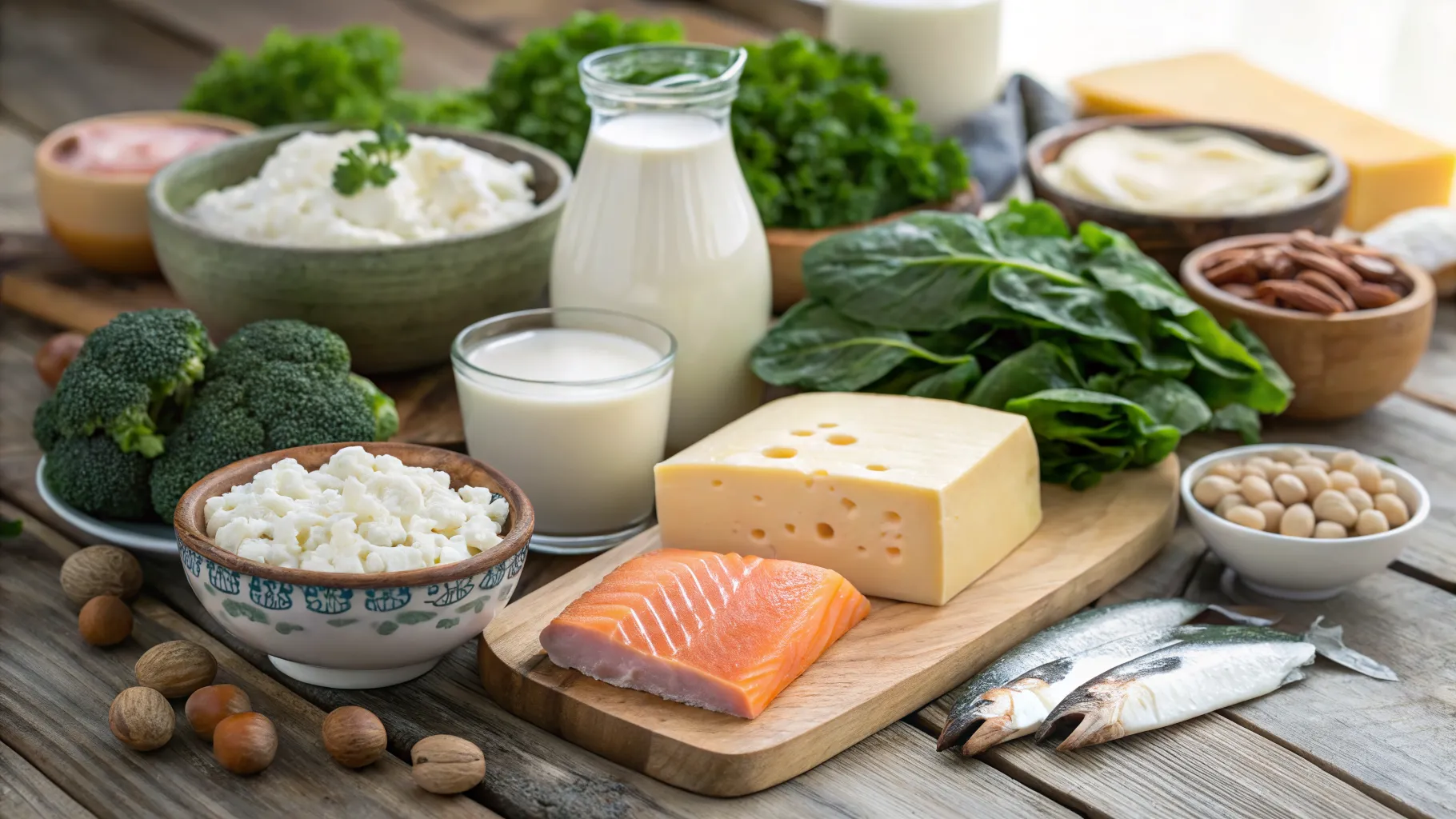
Dairy and Fortified Alternatives: Cornerstone Calcium Sources
Dairy products have long been recognized as primary calcium sources due to their high bioavailability and concentration of the mineral. Milk, yogurt, and cheese are not only rich in calcium but often fortified with vitamin D, which is essential for calcium absorption in the gut. For individuals who are lactose intolerant or follow plant-based diets, a wide array of fortified plant-based milks (almond, soy, oat) and yogurts offer comparable calcium content. These alternatives are meticulously engineered to provide similar nutritional benefits, ensuring everyone has access to vital nutrients for strong bones. When selecting these products, it's crucial to check the nutrition labels to ensure they are adequately fortified, mimicking the benefits of traditional dairy.
Milk, Yogurt, and Cheese
Traditional dairy products like whole milk, skim milk, various yogurts, and a plethora of cheeses are unparalleled in their natural calcium content. A single serving of milk can provide a significant portion of the daily recommended calcium intake, while yogurt offers beneficial probiotics alongside its mineral richness. Hard cheeses, such as Parmesan or cheddar, also pack a calcium punch, making them excellent additions to meals. Beyond calcium, these products often contain other bone-supporting nutrients like phosphorus and protein, further enhancing their role in maintaining bone health and contributing to osteoporosis prevention.
Fortified Plant-Based Milks and Yogurts
For those avoiding dairy, fortified almond, soy, and oat milks are excellent options. These are typically enhanced with calcium carbonate or tricalcium phosphate to match the calcium levels found in cow's milk. Similarly, plant-based yogurts made from these milks provide similar fortification. It is vital to select unsweetened versions to avoid excess sugar and to ensure that the products are indeed fortified with calcium-rich foods elements and vitamin D for maximum effectiveness. Regularly incorporating these into smoothies, cereals, or cooking can significantly boost overall calcium intake.
Leafy Greens and Vegetables: Plant-Powered Bone Support
While often overlooked as major calcium sources, many leafy green vegetables and other plant-based foods contain substantial amounts of calcium, along with other vitamins and minerals critical for bone health. These foods also provide vitamin K, magnesium, and potassium, all of which play synergistic roles in bone metabolism and mineralization. Consuming a diverse range of these vegetables ensures a broad spectrum of nutrients that contribute to overall skeletal integrity and robust strong bones.
Kale, Spinach, and Collard Greens
Dark, leafy greens such as kale, spinach, and collard greens are nutritional powerhouses. Kale, in particular, is an excellent source of calcium and vitamin K, which is essential for bone protein synthesis. While spinach contains calcium, it also has oxalates that can inhibit calcium absorption; however, cooking spinach can reduce this effect. Collard greens offer a significant amount of highly absorbable calcium, making them a superb addition to any diet focused on bone density foods and calcium sources. Integrating these greens into salads, stir-fries, or stews daily can greatly support bone mineral density.
Broccoli and Bok Choy
Broccoli and bok choy are cruciferous vegetables that provide not only calcium but also vitamin C and vitamin K, both vital for collagen production and bone formation. Broccoli is a versatile vegetable that can be steamed, roasted, or added to various dishes, making it easy to incorporate into meals. Bok choy, a staple in Asian cuisine, offers a good amount of calcium in an easily digestible form. Regularly including these vegetables in your diet contributes positively to osteoporosis prevention and overall skeletal strength.
Fish and Seafood: Ocean's Bounty for Strong Bones
Certain fish and seafood varieties are exceptional calcium sources and also provide significant amounts of vitamin D, which is critical for calcium absorption. The combination of these two nutrients makes them invaluable for maintaining robust bone health. Fatty fish, in particular, are among the few natural dietary sources of vitamin D, making them essential for those looking to improve their bone mineral density and reduce the risk of fractures.
Salmon and Sardines
Fatty fish like salmon are renowned for their high vitamin D content, which facilitates calcium absorption and deposition into the bones. While salmon is a moderate calcium source, its vitamin D contribution is immense. Sardines, eaten with their soft bones, are an outstanding direct source of calcium, often containing more calcium per serving than a glass of milk. The omega-3 fatty acids in both salmon and sardines also contribute to reducing inflammation, which can indirectly benefit bone health. These are prime examples of effective bone density foods and calcium sources that support strong bones.
Other Essential Bone-Boosting Foods
Beyond the primary categories, several other foods contribute significantly to bone health through their calcium content or other supportive nutrients. Nuts, seeds, and certain legumes offer a diverse range of minerals that work in concert to maintain skeletal integrity and support osteoporosis prevention.
Nuts, Seeds, and Legumes
Almonds are a good source of calcium, magnesium, and phosphorus, all crucial for bone structure. Sesame seeds and chia seeds are particularly rich in calcium and magnesium. Legumes such as white beans and black beans also offer a decent amount of calcium along with protein and other essential minerals. Incorporating these into snacks, salads, or main dishes provides a multifaceted approach to bolstering strong bones. These elements contribute to the broader spectrum of bone density foods and calcium sources needed for optimal skeletal strength.
Lifestyle and Dietary Combinations for Peak Bone Health
Achieving optimal bone health is not solely about consuming enough calcium and vitamin D; it also involves a holistic approach that includes combining foods strategically, adopting healthy lifestyle habits, and understanding absorption factors. A well-rounded diet that supports strong bones is diverse and rich in various nutrients that work together. Physical activity, particularly weight-bearing exercises, also plays a pivotal role in stimulating bone formation and increasing bone density, complementing the benefits of bone density foods and calcium sources.
Tips for Maximizing Calcium and Vitamin D Absorption:
Pair Calcium with Vitamin D: Always consume calcium-rich foods alongside sources of vitamin D. This vitamin acts as a key that unlocks calcium absorption in your gut, ensuring that the calcium you consume is actually utilized by your bones. For example, enjoy fortified milk with your cereal or salmon with a side of kale. This synergy is fundamental for effective osteoporosis prevention.
Mind Your Magnesium Intake: Magnesium is another vital mineral that aids in calcium absorption and bone formation. Good sources include nuts, seeds, whole grains, and leafy greens. An adequate magnesium intake ensures that calcium is properly directed to the bones and not deposited in soft tissues, contributing to overall bone health.
Reduce Sodium and Caffeine: High intake of sodium and caffeine can lead to increased calcium excretion from the body. While moderate consumption is usually fine, excessive amounts can counteract your efforts to build strong bones. Be mindful of processed foods high in sodium and limit overly caffeinated beverages to help retain more calcium.
Engage in Weight-Bearing Exercise: Physical activity, especially weight-bearing exercises like walking, jogging, dancing, or lifting weights, stimulates bone cells to produce more bone tissue, thereby increasing bone density. Regular exercise, combined with a diet rich in bone density foods and calcium sources, creates the most effective strategy for robust skeletal health.
Consider Sunlight Exposure: Sensible exposure to sunlight is one of the most natural ways to boost your body's production of vitamin D. Even short periods outdoors can be beneficial, particularly during peak daylight hours. Always balance sun exposure with skin protection to prevent damage, but recognize its role in supporting your bone health.
Frequently Asked Questions
What are the best bone density foods and calcium sources for vegetarians?
For vegetarians, excellent calcium sources include fortified plant-based milks and yogurts (almond, soy, oat), leafy green vegetables like kale and collard greens, tofu (calcium-set), fortified cereals, and certain nuts and seeds such as almonds and sesame seeds. These provide a robust alternative to dairy for maintaining bone health.
How much vitamin D do I need daily for optimal bone health?
The recommended daily intake of vitamin D for most adults is 600-800 International Units (IU), though some experts suggest higher amounts. This vitamin is crucial for calcium absorption and can be obtained from fatty fish, fortified foods, and sunlight exposure. Adequate vitamin D is essential for strong bones and osteoporosis prevention.
Can lifestyle choices impact bone health beyond diet?
Absolutely. Lifestyle choices such as regular weight-bearing exercise, avoiding smoking, and limiting excessive alcohol intake significantly impact bone health. These factors complement a diet rich in bone density foods and calcium sources by promoting bone growth and reducing bone loss, thereby aiding in osteoporosis prevention.
References
- National Osteoporosis Foundation.
Authored by 24Trendz team