Bladder Tumor Surgery Options: A Deep Dive into Treatment and Outcomes
Fast Facts:
- Bladder cancer is among the top ten most common cancers worldwide.
- Early detection significantly improves prognosis for bladder cancer treatment outcomes.
Understanding Bladder Tumor Surgery: Navigating Your Options
When confronted with a diagnosis of a bladder tumor, understanding the available bladder tumor surgery options is paramount for making informed decisions about your care. The chosen surgical approach significantly impacts recovery, quality of life, and long-term bladder cancer treatment outcomes. This guide delves into the various surgical interventions, from minimally invasive procedures for early-stage disease to more extensive surgeries for advanced cases, providing a comprehensive overview for patients and their families seeking clarity on this critical aspect of cancer management.
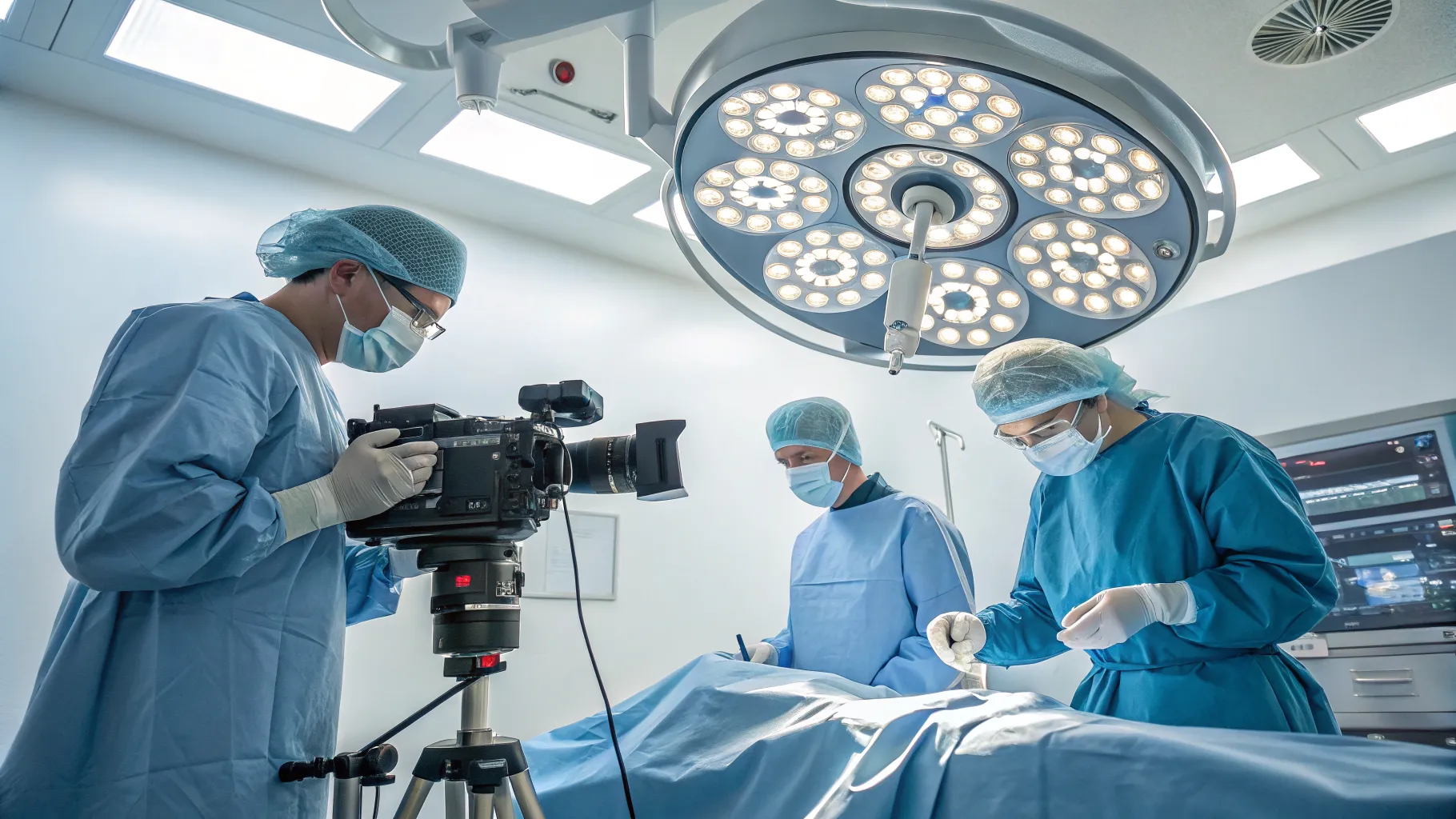
Transurethral Resection of Bladder Tumor (TURBT): The Foundation of Treatment
The Transurethral Resection of Bladder Tumor (TURBT) is often the initial and crucial step in the diagnosis and treatment of suspected bladder cancer, particularly for non-invasive bladder cancer. This endoscopic procedure involves inserting a thin, lighted tube (cystoscope) through the urethra into the bladder. Specialized instruments passed through the cystoscope are then used to resect, or cut away, the tumor from the bladder wall. The primary goals of a TURBT are two-fold: to obtain tissue samples for pathological analysis to determine the tumor's type, grade, and depth of invasion, and to completely remove all visible tumor tissue. For superficial tumors, TURBT can be curative, but it is frequently followed by intravesical therapy (medication instilled directly into the bladder) to prevent recurrence. Careful and complete resection is vital to ensure accurate staging and improve subsequent bladder cancer treatment outcomes. Patients typically recover relatively quickly, though post-operative discomfort and blood in urine are common.
Partial Cystectomy: Preserving Bladder Function
For a select group of patients with localized, low-grade tumors that have invaded the muscle wall but are confined to a specific area of the bladder, a partial cystectomy may be an appropriate bladder tumor surgery option. This procedure involves removing only a portion of the bladder that contains the tumor, along with a margin of healthy tissue. The advantage of a partial cystectomy is the preservation of bladder function, allowing patients to maintain their natural urinary continence and avoid the need for urinary diversion. However, the eligibility for this surgery is strict. The tumor must be solitary, located in a region of the bladder that allows for safe surgical margins, and without evidence of spread to lymph nodes or distant sites. Surgical planning often involves imaging to precisely map the tumor's location. While bladder-sparing, there is a risk of recurrence in other parts of the bladder, necessitating vigilant post-operative surveillance to monitor bladder cancer treatment outcomes. The bladder's capacity might also be reduced initially, leading to more frequent urination.
Radical Cystectomy: Comprehensive Treatment for Invasive Disease
Radical cystectomy represents the most extensive form of bladder tumor surgery and is typically recommended for patients with muscle-invasive invasive bladder cancer, high-grade non-muscle-invasive bladder cancer that has recurred after initial treatments, or widespread carcinoma in situ. This complex procedure involves the complete removal of the bladder, along with nearby lymph nodes and, in men, the prostate and seminal vesicles. In women, the uterus, ovaries, and a portion of the vagina may also be removed. Because the bladder is removed, a new way for urine to exit the body must be created, a process known as urinary diversion. Common methods include an ileal conduit (most common, urine drains into an external bag) or the creation of a neobladder (an internal pouch made from a section of intestine that allows for continent urination). Radical cystectomy is a major surgery with a significant recovery period, but it offers the best chance for cure in advanced cases, profoundly impacting long-term bladder cancer treatment outcomes. Careful pre-operative counseling and support are essential to prepare patients for the post-operative changes in body image and urinary function.
Navigating Surgical Choices: A Comparative Look
The choice among bladder tumor surgery options is highly individualized, depending on several factors including the stage and grade of the cancer, the tumor's location, the patient's overall health, and their personal preferences regarding quality of life post-surgery. TURBT is the frontline for superficial disease, offering minimal invasiveness but requiring vigilant follow-up due to recurrence risk. Partial cystectomy offers bladder preservation for specific, localized muscle-invasive cases, balancing efficacy with functional outcomes. However, the most definitive treatment for muscle-invasive disease remains radical cystectomy, despite its complexity and the need for urinary diversion. Each option carries distinct risks and benefits regarding surgical complications, recovery time, and long-term bladder cancer treatment outcomes. Discussing these nuances thoroughly with an experienced urologist is crucial to selecting the optimal strategy for managing bladder cancer effectively. Understanding the implications of each surgery for future urinary function and lifestyle is also a key part of this decision-making process.
Patient-Centered Care: Maximizing Positive Outcomes
Maximizing positive bladder cancer treatment outcomes extends beyond the operating room, encompassing comprehensive patient-centered care. This involves a multidisciplinary team approach, including urologists, oncologists, pathologists, nurses, and support staff, all working in concert to provide holistic care. Pre-operative counseling is vital for patient education, setting realistic expectations for surgery, recovery, and potential life changes after bladder tumor surgery. Post-operative care focuses on managing pain, preventing complications, and facilitating a smooth recovery. For patients undergoing radical cystectomy, extensive education and support regarding urinary diversion management, whether an ileal conduit or a neobladder, are paramount. This includes learning stoma care, understanding dietary adjustments, and engaging with support groups. Long-term surveillance with regular cystoscopies, imaging, and urine tests is critical for all patients, regardless of the initial surgical approach, to detect any recurrence promptly. This ongoing monitoring significantly influences the overall success and durability of bladder cancer treatment outcomes.
Frequently Asked Questions
What are the common side effects after Transurethral Resection of Bladder Tumor (TURBT)?
After TURBT, common side effects include blood in the urine, frequent urination, and bladder spasms. These symptoms typically improve within a few days to weeks. Pain is usually mild and manageable with over-the-counter pain relievers. It's crucial to report any severe pain, inability to urinate, or heavy bleeding to your doctor immediately.
How long is the recovery period after a radical cystectomy?
The recovery period after a radical cystectomy is significant, often requiring several days to a week in the hospital, followed by several weeks to months of recovery at home. Full recovery and adaptation to urinary diversion can take up to six months or longer. Physical activity will be restricted initially, and patients will need to learn how to manage their new urinary system.
Can partial cystectomy guarantee no recurrence of bladder cancer?
No, a partial cystectomy does not guarantee no recurrence. While it removes the visible tumor and a margin of healthy tissue, there is still a risk of cancer returning in another part of the bladder (intravesical recurrence) or at the surgical site. Therefore, regular follow-up surveillance, including cystoscopies, is essential to monitor bladder cancer treatment outcomes and detect any new growths early.
What factors influence the choice of bladder tumor surgery?
The choice of bladder tumor surgery is influenced by several factors, including the stage and grade of the bladder cancer, the size and location of the tumor, whether it has invaded the muscle layer, the patient's overall health and co-existing medical conditions, and their personal preferences regarding quality of life and functional outcomes after surgery.
What are the long-term bladder cancer treatment outcomes for different surgical options?
Long-term bladder cancer treatment outcomes vary significantly by surgical option and disease stage. For early-stage, non-muscle invasive cancer treated with TURBT and adjuvant therapy, the prognosis is generally excellent, though recurrence is possible. For muscle-invasive disease treated with radical cystectomy, survival rates are good, especially when the cancer is confined to the bladder. Partial cystectomy outcomes are comparable to radical cystectomy for carefully selected patients.
References
- American Cancer Society Guidelines for Bladder Cancer Treatment
- European Association of Urology (EAU) Bladder Cancer Guidelines
- National Comprehensive Cancer Network (NCCN) Clinical Practice Guidelines in Oncology for Bladder Cancer
- Peer-reviewed medical journals on urological oncology
- World Health Organization (WHO) classifications of bladder tumors
Authored by 24Trendz team