Bladder Cancer Immunotherapy: What Patients Should Know for Effective Treatment
Fast Facts:
- Immunotherapy revolutionizes advanced bladder cancer treatment.
- Survival rates are improving for patients with advanced bladder cancer due to immunotherapy.
Understanding the Landscape of Bladder Cancer Immunotherapy
For individuals diagnosed with bladder cancer, understanding the array of available treatment options is paramount. Among the most significant advancements in recent years is immunotherapy for bladder cancer, a sophisticated approach that harnesses the body's own immune system to target and destroy cancer cells. This innovative treatment paradigm offers new hope, particularly for patients with advanced or recurrent disease where traditional therapies may have limited efficacy. Delving into the mechanisms, benefits, and potential challenges of immunotherapy is crucial for patients and their caregivers to make informed decisions regarding their care pathway. It represents a paradigm shift from conventional chemotherapy, focusing on enhancing natural defenses rather than directly attacking cancer cells with external agents. This article aims to demystify immunotherapy, providing essential information every patient should know.
How Bladder Cancer Immunotherapy Works: A Deep Dive
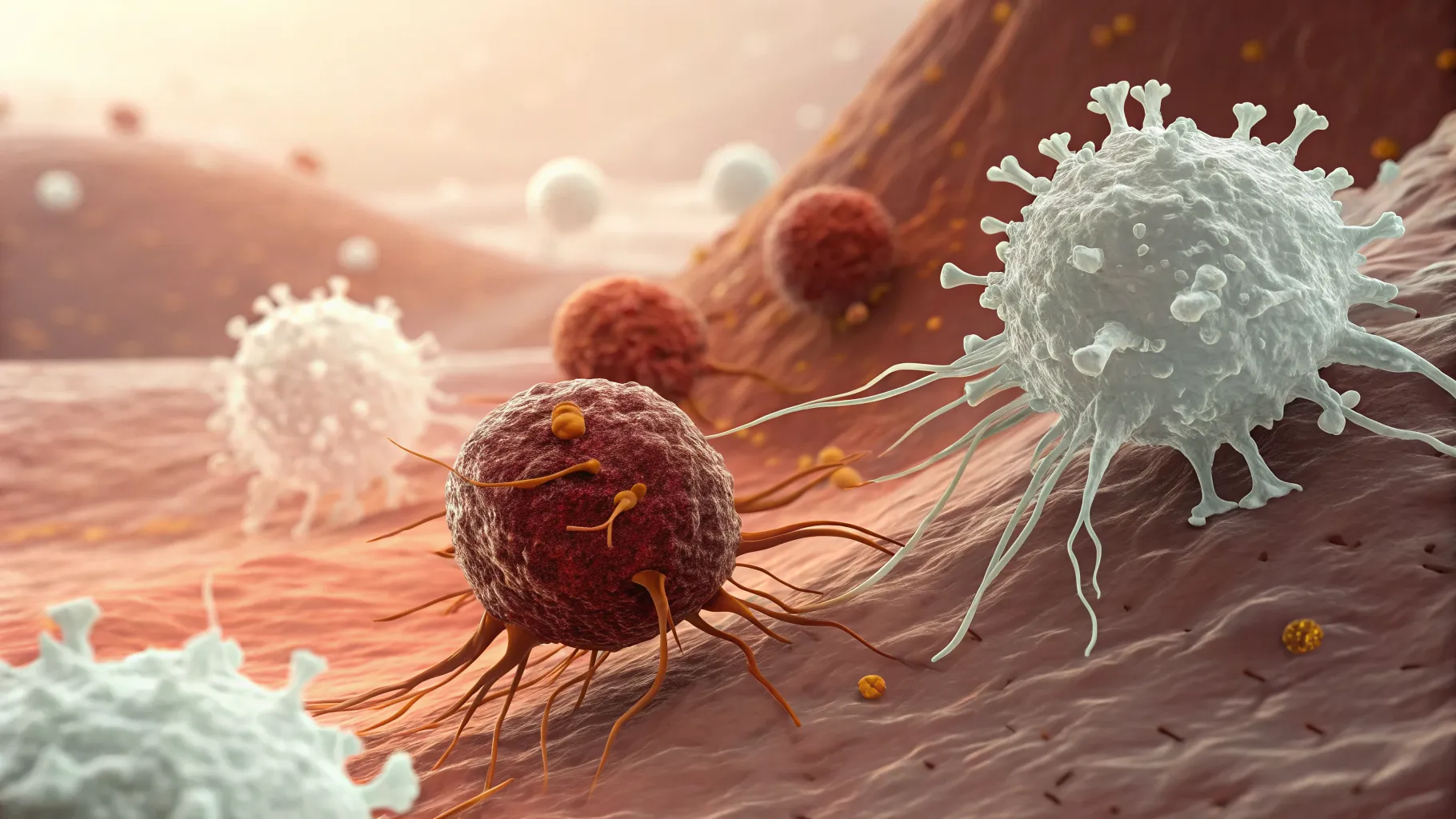
At its core, bladder cancer immunotherapy works by enhancing the body's natural ability to fight cancer. Normally, the immune system identifies and eliminates abnormal cells. However, cancer cells often develop ways to evade this immune surveillance. Immunotherapy drugs, particularly immune checkpoint inhibitors, block these evasion pathways, effectively 'releasing the brakes' on the immune system and allowing it to recognize and attack the cancer. This process is highly targeted, aiming to specifically eliminate cancerous cells while minimizing damage to healthy tissues, a significant advantage over conventional chemotherapy which often affects rapidly dividing healthy cells.
Immune Checkpoint Inhibitors: The Core of Treatment
Immune checkpoint inhibitors are a primary class of drugs used in immunotherapy for bladder cancer. These drugs target specific proteins on immune cells (like T-cells) or cancer cells that act as 'checkpoints,' preventing the immune system from overreacting. By blocking these checkpoints, such as PD-1 (Programmed Death-1) or PD-L1 (Programmed Death-Ligand 1), or CTLA-4 (Cytotoxic T-Lymphocyte-Associated protein 4), the inhibitors allow T-cells to become active and effectively mount an immune response against the cancer cells. This mechanism restores the immune system's cytotoxic potential, leading to tumor reduction and improved patient outcomes. Understanding these specific targets helps patients grasp why certain drugs are chosen for their particular condition.
Types of Immunotherapy for Bladder Cancer
Several types of immune checkpoint inhibitors are approved for the treatment of bladder cancer. These include agents targeting the PD-1/PD-L1 pathway, such as Pembrolizumab, Atezolizumab, Nivolumab, Durvalumab, and Avelumab. Each drug has specific indications, often based on the stage of the cancer and prior treatments received. For instance, some may be used in patients with advanced urothelial carcinoma who are not eligible for cisplatin-based chemotherapy, while others are used after platinum-based chemotherapy has failed. There are also ongoing investigations into combination therapies, potentially involving different checkpoint inhibitors or combining immunotherapy with chemotherapy or targeted therapy, aiming to further enhance therapeutic efficacy and broaden the scope of responsive patients.
Who Benefits from Immunotherapy for Bladder Cancer?
The benefits of immunotherapy for bladder cancer are not universal, and patient selection is crucial. It is primarily used for patients with advanced or metastatic urothelial carcinoma (the most common type of bladder cancer), particularly when the cancer has spread beyond the bladder. Immunotherapy has also shown promise for patients with BCG-unresponsive non-muscle-invasive bladder cancer (NMIBC), offering an alternative to cystectomy. Biomarkers, such as PD-L1 expression levels on tumor cells, can sometimes help predict which patients are more likely to respond, though treatment decisions often consider a broader clinical picture. Genetic profiling of the tumor can also guide choices for more personalized and effective bladder cancer treatment strategies, maximizing the chances of a positive response.
First-Line and Second-Line Applications
Immunotherapy agents are utilized in various settings for bladder cancer treatment. In some cases, they are approved as first-line therapy for patients with advanced urothelial carcinoma who are ineligible for platinum-based chemotherapy due to comorbidities or other factors. For many others, immunotherapy serves as a second-line option, administered after initial chemotherapy treatments have proven ineffective or the disease has progressed. The specific regimen and timing of immunotherapy depend on numerous factors, including the patient's overall health, the tumor's characteristics, and previous treatment history. Clinical guidelines continuously evolve as more research emerges, refining the optimal placement of these powerful therapies in the bladder cancer treatment algorithm.
Potential Side Effects and Management
While bladder cancer immunotherapy can be highly effective, it is important for patients to be aware of potential side effects, known as immune-related adverse events (irAEs). These occur when the activated immune system targets healthy tissues along with cancer cells. Unlike traditional chemotherapy side effects, irAEs can affect almost any organ system and may appear at any time during or even after treatment. Common irAEs include fatigue, skin rashes, diarrhea, and thyroid dysfunction. More serious but less common irAEs can involve the lungs (pneumonitis), liver (hepatitis), or colon (colitis). Prompt recognition and management of these side effects are crucial for patient safety and treatment continuation. Management often involves corticosteroids to suppress the immune response, or in severe cases, temporary or permanent discontinuation of immunotherapy.
- Fatigue: One of the most common irAEs, often managed with rest and energy conservation strategies, though severe cases may require medication. Sustained, debilitating fatigue should always be reported to the healthcare team to rule out other underlying causes.
- Skin Reactions: Rashes or itching, typically treated with topical creams or oral corticosteroids depending on severity. Patients might experience anything from mild itching to widespread skin eruptions, impacting daily comfort and necessitating careful dermatological assessment.
- Gastrointestinal Issues: Diarrhea or colitis, requiring careful monitoring and potentially immunosuppressants. Severe diarrhea or abdominal pain must be promptly reported, as it can indicate immune-mediated inflammation of the bowel, which needs aggressive management.
- Endocrine Disorders: Thyroid dysfunction, adrenal insufficiency, which often necessitate hormone replacement therapy. These conditions can cause a range of symptoms from lethargy to severe metabolic disturbances and require lifelong monitoring and management.
- Pneumonitis or Hepatitis: Less common but serious, requiring immediate medical attention and high-dose corticosteroids. Symptoms like shortness of breath or jaundice are critical indicators and demand urgent medical intervention to prevent potentially life-threatening complications.
What to Discuss with Your Healthcare Team
- Treatment Goals: Clearly define what you hope to achieve with bladder cancer immunotherapy and understand the expected outcomes. Discuss the realistic possibilities of remission, disease control, or symptom palliation, ensuring your expectations align with clinical prospects.
- Personalized Treatment Plan: Ask about the specific type of immunotherapy recommended for your condition, including dosage, frequency, and duration. Inquire about why this particular therapy is chosen for you and how it fits into your overall bladder cancer treatment strategy.
- Monitoring and Follow-up: Understand the schedule for blood tests, imaging scans, and appointments to track treatment effectiveness and manage side effects. Know who to contact for urgent concerns and what signs or symptoms warrant immediate medical attention.
- Symptom Management: Discuss strategies for managing potential side effects, including who to contact and when to seek urgent care. Develop a proactive plan for managing common immune-related adverse events, ensuring you have the resources to mitigate discomfort.
- Clinical Trials: Inquire about eligibility for ongoing clinical trials that might offer access to newer, experimental bladder cancer treatment options. Clinical trials can provide access to cutting-edge therapies and contribute to advancing medical knowledge in bladder cancer.
Frequently Asked Questions
Is bladder cancer immunotherapy a cure?
While immunotherapy has shown remarkable success in controlling bladder cancer and extending survival for many patients, it is not universally considered a definitive cure. For some, it can lead to long-term remission, effectively managing the disease for extended periods. For others, it might slow disease progression or shrink tumors, improving quality of life. The term 'cure' varies by individual response and the specific characteristics of their cancer. Researchers continue to explore ways to improve response rates and achieve more durable remissions, hoping to turn more long-term responses into cures.
How long does immunotherapy for bladder cancer treatment last?
The duration of immunotherapy treatment for bladder cancer varies significantly depending on the specific drug used, the patient's response to treatment, and the development of any unmanageable side effects. Some protocols involve treatment for a fixed period, often one or two years, while others continue as long as the patient is benefiting and tolerating the therapy well. Regular assessments by the oncology team will determine the optimal duration for each individual, balancing the benefits of continued treatment against potential risks and side effects. Treatment plans are highly individualized.
References
- American Cancer Society. Bladder Cancer.
- National Cancer Institute. Immunotherapy for Bladder Cancer.
- European Association of Urology Guidelines on Muscle-invasive and Metastatic Bladder Cancer.
- Clinical trials and research publications on immune checkpoint inhibitors in urothelial carcinoma.
Authored by 24Trendz team