Boost Heart Health in Seniors: Best Whole Foods for Cardiovascular Well-being
Facts:
- Heart disease remains a leading cause of death globally.
- Diet plays a crucial role in improving heart health in seniors.
Nourishing Your Heart: Essential Whole Foods for Seniors
Maintaining optimal heart health in seniors is a paramount concern, and the cornerstone of proactive care often lies in a well-balanced diet rich in whole foods for seniors. These unprocessed, nutrient-dense ingredients provide the essential vitamins, minerals, fiber, and antioxidants needed to support robust cardiovascular well-being. Embracing a diet focused on these natural powerhouses can significantly mitigate risks associated with age-related heart conditions, support healthy blood pressure, manage cholesterol levels, and bolster overall vitality. Understanding which specific foods offer the greatest benefits allows seniors and their caregivers to make informed choices that contribute positively to long-term health outcomes and an enhanced quality of life through improved senior nutrition.
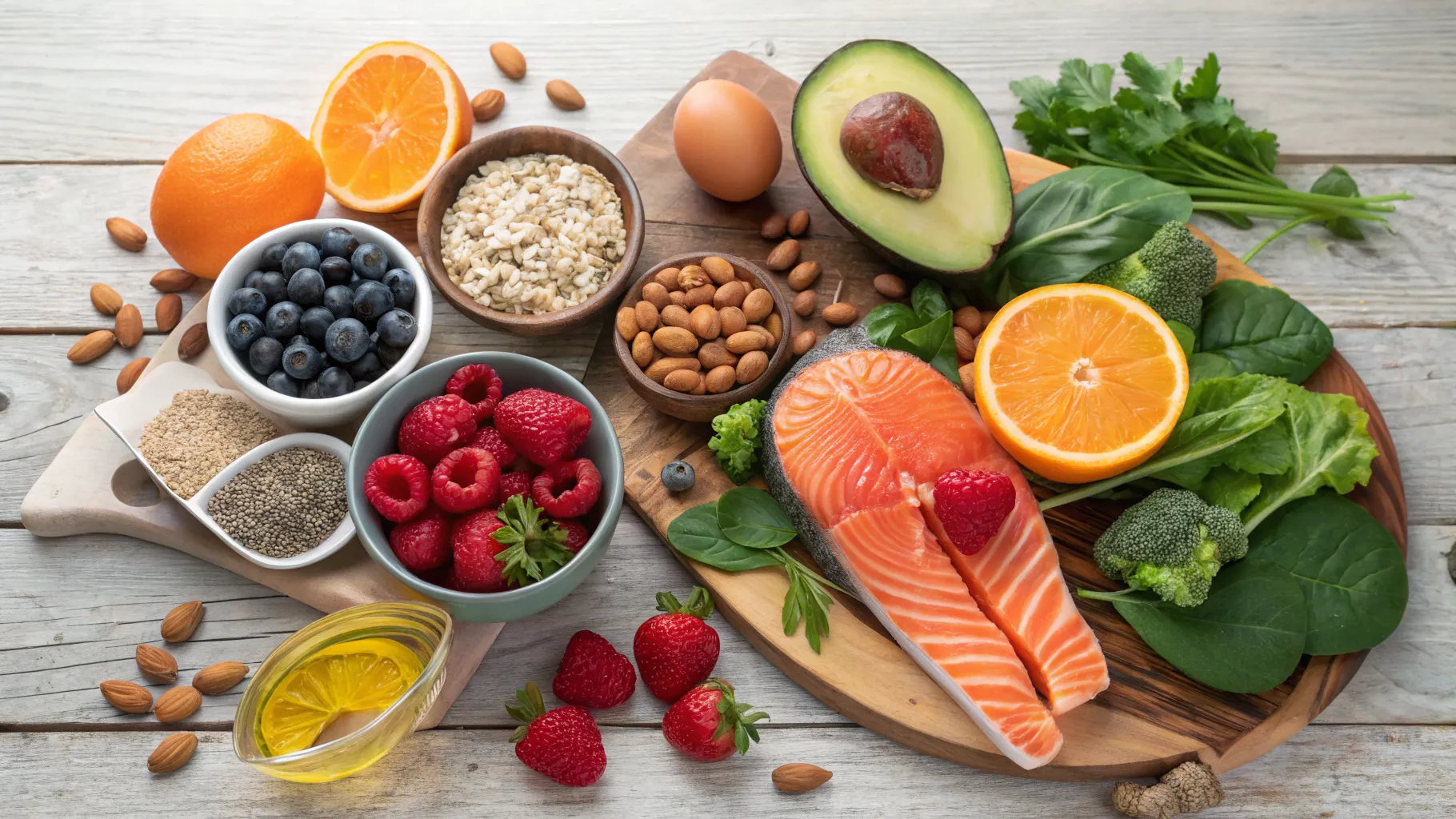
Powerhouse Produce: Fruits and Vegetables for a Healthy Heart
Fruits and vegetables are the foundation of any diet geared towards promoting heart health in seniors, offering a spectrum of nutrients vital for cardiovascular function. Their high fiber content aids in cholesterol management, while antioxidants combat oxidative stress, a key factor in heart disease progression. Incorporating a colorful variety ensures a comprehensive intake of protective compounds, directly supporting robust cardiovascular well-being.
Berries: Antioxidant Superstars
Berries such as blueberries, strawberries, raspberries, and blackberries are exceptionally rich in anthocyanins, potent antioxidants that give them their vibrant hues. These compounds have been shown to improve endothelial function, which is critical for healthy blood vessels, and can significantly reduce markers of inflammation. Regular consumption contributes to lower blood pressure and improved cholesterol profiles, making them an excellent choice for whole foods for seniors focused on heart protection.
Leafy Greens: Nitrates and Nutrients
Spinach, kale, collard greens, and Swiss chard are packed with vitamins, minerals, and dietary nitrates. These nitrates convert to nitric oxide in the body, which helps to relax and widen blood vessels, thereby improving blood flow and lowering blood pressure. Furthermore, their high vitamin K content plays a role in protecting arteries from calcification, underpinning their importance in maintaining heart health in seniors.
Avocados: Healthy Fats for the Heart
Avocados are unique among fruits for their high content of monounsaturated fats, particularly oleic acid. These healthy fats are known to reduce LDL (bad) cholesterol levels while increasing HDL (good) cholesterol, directly supporting cardiovascular well-being. Beyond fats, avocados also provide potassium, a mineral crucial for blood pressure regulation, making them a delicious and beneficial addition to senior nutrition plans.
Tomatoes: Lycopene's Protective Power
Tomatoes are an excellent source of lycopene, a powerful antioxidant that has been extensively studied for its heart-protective properties. Lycopene helps to prevent the oxidation of LDL cholesterol, a key step in the development of atherosclerosis. Including tomatoes, especially cooked varieties like in sauces, can significantly contribute to better heart health in seniors by reducing cardiovascular risk factors.
Citrus Fruits: Vitamin C and Flavonoids
Oranges, grapefruits, lemons, and limes are abundant in vitamin C and various flavonoids. Vitamin C is a potent antioxidant that can improve arterial health and reduce inflammation. Flavonoids, on the other hand, have been linked to a reduced risk of stroke and heart disease. These fruits support overall vessel integrity and function, an important aspect of a nutrient-rich diet for older adults.
Sweet Potatoes: Fiber and Beta-Carotene
Sweet potatoes offer a rich supply of dietary fiber, which helps to manage blood sugar levels and lower cholesterol. They are also packed with beta-carotene, an antioxidant precursor to vitamin A, which contributes to overall vascular health. Their potassium content further assists in blood pressure control, making them a comforting and beneficial staple for promoting heart health in seniors.
Whole Grains: The Foundation of Cardiovascular Well-being
Incorporating whole grains into the diet is a fundamental strategy for enhancing cardiovascular well-being in older adults. Unlike refined grains, whole grains retain their bran, germ, and endosperm, packing in fiber, B vitamins, magnesium, and iron. This comprehensive nutrient profile contributes significantly to managing cholesterol, stabilizing blood sugar levels, and maintaining healthy blood pressure, all critical for long-term heart health in seniors. Opting for oats, quinoa, brown rice, whole wheat bread, or barley can provide sustained energy and powerful protective effects against heart disease.
Lean Proteins and Healthy Fats: Building Blocks for Senior Nutrition
A balanced intake of lean proteins and healthy fats is indispensable for robust senior nutrition and directly impacts heart health in seniors. Lean protein sources like fish (especially fatty fish rich in omega-3s, such as salmon and mackerel), poultry, and legumes provide essential amino acids for muscle maintenance and overall cellular repair without excess saturated fat. Healthy fats from sources like olive oil, nuts, and seeds offer monounsaturated and polyunsaturated fatty acids that are known to improve cholesterol levels and reduce inflammation, crucial elements for promoting optimal cardiovascular well-being.
Hydration and Herbs: Supporting Heart Health in Seniors Beyond Food
While often overlooked, adequate hydration and the thoughtful inclusion of certain herbs also play a supportive role in heart health in seniors. Staying well-hydrated helps maintain blood volume and circulation, ensuring the heart doesn't have to work harder than necessary. Water is the best choice, but herbal teas can also contribute. Certain herbs and spices, such as turmeric (with its anti-inflammatory curcumin) and garlic (known for blood pressure-lowering effects), offer additional bioactive compounds that contribute to overall cardiovascular well-being and can complement a nutrient-rich diet.
Making the Switch: Practical Tips for Integrating Whole Foods for Seniors
Transitioning to a diet rich in whole foods for seniors doesn't have to be daunting. Small, consistent changes can lead to significant improvements in heart health in seniors. Start by swapping refined grains for whole grains, replacing sugary snacks with fruit, and incorporating more vegetables into every meal. Cooking at home allows for greater control over ingredients and portion sizes, fostering a mindful approach to eating. Gradually introducing new whole foods can expand palates and ensure sustainable dietary changes that benefit long-term cardiovascular well-being.
Practical Steps for a Heart-Healthy Lifestyle
Meal Planning with Whole Foods: Dedicate time each week to plan meals and snacks around whole foods for seniors. This helps ensure a consistent intake of nutrient-dense ingredients and reduces the temptation for less healthy, processed options. Focus on colorful fruits, varied vegetables, lean proteins, and complex carbohydrates to create a balanced diet that supports heart health in seniors effectively.
Smart Snacking Choices: Replace processed snacks with heart-healthy alternatives like a handful of almonds, a piece of fruit, Greek yogurt, or vegetable sticks with hummus. These options are rich in fiber, healthy fats, and protein, contributing to satiety and better cardiovascular well-being without added sugars or unhealthy fats.
Portion Control and Mindful Eating: Pay attention to portion sizes to manage calorie intake and prevent overeating, which can strain the cardiovascular system. Practice mindful eating by savoring each bite, eating slowly, and listening to your body's hunger and fullness cues. This approach not only aids in weight management but also enhances the enjoyment of your nutrient-rich diet.
Hydration Habits: Make water your primary beverage. Proper hydration is vital for blood circulation and helps the heart pump blood more efficiently. Limit sugary drinks and excessive caffeine, which can negatively impact blood pressure and overall heart health in seniors.
Consult Healthcare Professionals: Before making significant dietary changes, especially for individuals with existing health conditions, it's crucial to consult with a doctor or a registered dietitian. They can provide personalized advice tailored to your specific health needs and ensure that your new senior nutrition plan is safe and effective.
Frequently Asked Questions
What are the primary benefits of whole foods for seniors?
The primary benefits of whole foods for seniors include improved cholesterol levels, regulated blood pressure, reduced inflammation, and better blood sugar control, all of which are crucial for maintaining optimal heart health in seniors and preventing cardiovascular disease. They provide essential fiber, vitamins, minerals, and antioxidants that support overall physiological function.
How much fiber should seniors consume for heart health?
For optimal heart health, senior women should aim for about 21 grams of fiber per day, while senior men should target around 30 grams. This can be achieved through a diet rich in fruits, vegetables, whole grains, nuts, and seeds. Fiber is vital for lowering cholesterol and regulating digestion, significantly contributing to cardiovascular well-being.
Are supplements necessary for senior nutrition?
While a balanced diet of whole foods for seniors should ideally provide most necessary nutrients, some seniors may benefit from specific supplements, especially if they have dietary restrictions or nutrient deficiencies. Common supplements considered for senior nutrition include vitamin D, vitamin B12, calcium, and sometimes omega-3 fatty acids. Always consult a healthcare professional before starting any supplements.
Can diet reverse existing heart disease in seniors?
While diet alone may not fully reverse existing severe heart disease in seniors, a comprehensive lifestyle change, including a rigorous nutrient-rich diet and regular exercise, can significantly slow its progression, improve symptoms, and reduce the risk of future cardiac events. Many studies have shown that adopting a plant-based, whole-food diet can lead to remarkable improvements in cardiovascular markers and outcomes, enhancing overall heart health in seniors.
References
- American Heart Association guidelines on healthy eating for older adults.
- Dietary Guidelines for Americans recommendations on nutrient intake.
- Studies on the impact of Mediterranean and DASH diets on cardiovascular health.
- Research on specific micronutrients and their role in heart function.
- Clinical trials demonstrating benefits of fiber and antioxidants in senior populations.
Authored by 24Trendz team