Best Superfoods to Manage Type 2 Diabetes in Seniors: Essential for Healthy Aging
Facts:
- Type 2 Diabetes risk increases significantly with age.
- Dietary changes are crucial for effective Diabetes Management in seniors.
Unlocking Optimal Blood Sugar Control with Superfoods for Seniors
Navigating Type 2 Diabetes in Seniors requires a multifaceted approach, and diet plays an indispensable role. Incorporating superfoods for diabetics can significantly impact blood sugar control and overall well-being. This guide delves into nutrient-dense options that support not only glucose regulation but also contribute to overall healthy aging, making the journey of diabetes management more effective and enjoyable for older adults.
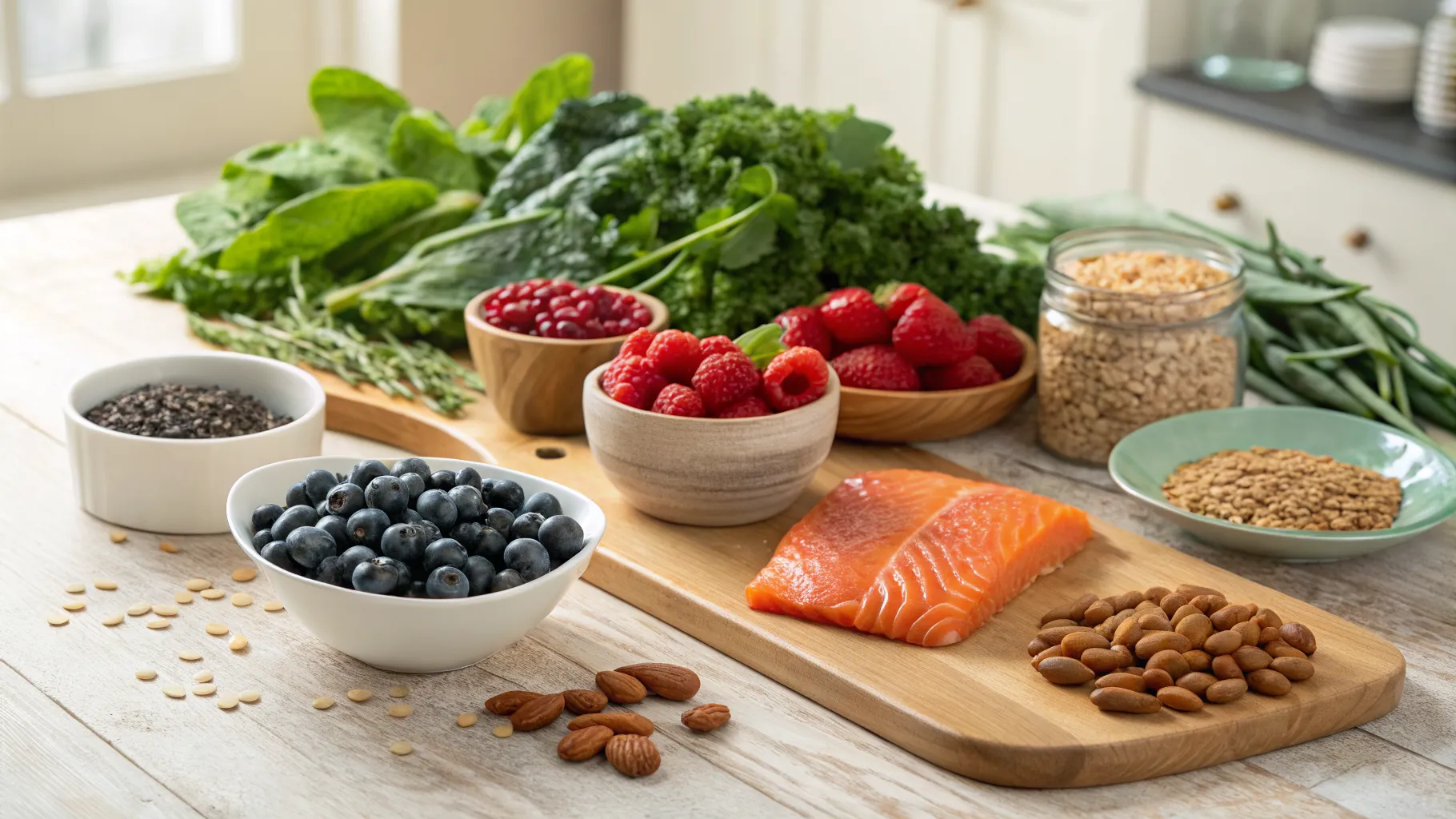
Essential Superfoods for Managing Type 2 Diabetes in Seniors
For seniors dealing with Type 2 Diabetes, selecting the right foods is paramount. The following superfoods are specifically chosen for their ability to aid blood sugar control, reduce inflammation, and provide vital nutrients for healthy aging.
Leafy Green Vegetables: The Nutritional Powerhouses
Leafy green vegetables such as spinach, kale, and collard greens are incredibly low in calories and carbohydrates, yet packed with fiber, vitamins, and minerals. Their high fiber content helps slow down glucose absorption, preventing rapid spikes in blood sugar. Furthermore, they are rich in antioxidants, which combat oxidative stress often associated with Type 2 Diabetes. Regular consumption supports overall cellular health and can be a cornerstone of any effective diabetic diet.
Berries: Antioxidant-Rich Delights for Blood Sugar
Berries like blueberries, strawberries, raspberries, and blackberries are excellent choices for seniors with diabetes. Despite their natural sweetness, they have a relatively low glycemic index due to their high fiber content. This means they cause a slower, more controlled rise in blood sugar compared to other fruits. Their potent antioxidant properties contribute to reducing inflammation and improving insulin sensitivity, making them ideal superfoods for diabetics and a delicious component of diabetes management.
Fatty Fish: Omega-3s for Cardiovascular Health
Fish such as salmon, mackerel, sardines, and herring are abundant in omega-3 fatty acids, particularly EPA and DHA. These healthy fats are crucial for heart health, reducing inflammation, and lowering triglyceride levels, all of which are critical concerns for seniors with Type 2 Diabetes. Incorporating fatty fish into a diabetic diet two to three times a week can significantly support cardiovascular well-being and contribute positively to healthy aging.
Legumes: Fiber and Protein for Stable Glucose
Beans, lentils, chickpeas, and peas are powerhouses of plant-based protein and soluble fiber. This combination helps stabilize blood sugar levels by slowing digestion and absorption of carbohydrates. They also promote satiety, aiding in weight management – a key aspect of effective diabetes management. Regular inclusion of legumes can reduce the risk of heart disease and provide sustained energy, making them indispensable superfoods for diabetics.
Nuts and Seeds: Healthy Fats and Micronutrients
Almonds, walnuts, chia seeds, and flaxseeds are excellent sources of healthy fats, fiber, and protein. These components work synergistically to help manage blood glucose levels and promote heart health. While calorie-dense, a small handful can provide significant nutritional benefits without causing blood sugar spikes. They are a convenient and effective addition to a diabetic diet, supporting nutrient intake essential for healthy aging.
Whole Grains: Sustained Energy and Fiber
Unlike refined grains, whole grains like oats, quinoa, and brown rice retain their bran and germ, which are rich in fiber and nutrients. The fiber content helps regulate blood sugar levels by slowing glucose absorption and contributes to gut health. Choosing whole grains over processed options is a fundamental strategy for blood sugar control and overall well-being in seniors with Type 2 Diabetes, facilitating better diabetes management.
Integrating Superfoods into a Diabetic Diet
Successfully integrating these superfoods for diabetics into daily meals requires thoughtful planning. Start by swapping refined carbohydrates for whole-grain alternatives, adding a serving of leafy greens to every meal, and incorporating berries into breakfasts or snacks. Experiment with different recipes to keep meals interesting and ensure a varied intake of essential nutrients. Focus on balanced meals that combine protein, healthy fats, and complex carbohydrates to optimize blood sugar control.
Practical Tips for Diabetes Management Through Diet
Portion Control: Even healthy foods need to be consumed in appropriate portions. Understand serving sizes for your chosen superfoods to avoid overconsumption, which can still impact blood sugar levels in Type 2 Diabetes in Seniors. Consulting a dietitian can help tailor this.
Meal Planning: Planning meals in advance ensures you have access to nutrient-dense options and reduces the likelihood of making unhealthy food choices. This is a critical step in consistent diabetes management.
Hydration: Drink plenty of water throughout the day. Water is essential for metabolic functions and helps the kidneys remove excess sugar from the body, supporting overall blood sugar control.
Consult a Professional: Always work with a healthcare provider or registered dietitian to create a personalized meal plan. They can provide guidance specific to your health needs, medications, and lifestyle, optimizing your diabetic diet for healthy aging.
Frequently Asked Questions
How do superfoods for diabetics aid blood sugar control in seniors?
Superfoods typically have a low glycemic index, are rich in fiber, and contain antioxidants and healthy fats. This combination helps slow glucose absorption, improve insulin sensitivity, reduce inflammation, and provide sustained energy, all contributing to better blood sugar control for Type 2 Diabetes in Seniors.
Are there any specific superfoods to avoid with Type 2 Diabetes in Seniors?
While most superfoods are beneficial, it's essential to watch portion sizes, especially for higher-carb fruits (like bananas or mangoes) or calorie-dense nuts. Dried fruits, while nutritious, are concentrated in sugar and should be consumed sparingly. Always check food labels and discuss specific concerns with a healthcare professional as part of your diabetes management plan.
Can healthy aging be significantly influenced by diet in seniors with diabetes?
Absolutely. A well-planned diabetic diet rich in superfoods not only manages blood sugar but also provides essential nutrients to support bone health, cognitive function, and cardiovascular health. This holistic approach is crucial for promoting overall well-being and a higher quality of life during healthy aging with Type 2 Diabetes in Seniors.
References
- American Diabetes Association. (2023). Standards of Medical Care in Diabetes.
- Harvard T.H. Chan School of Public Health. (n.d.). The Nutrition Source.
- Mayo Clinic. (2022). Diabetes Diet: Create your healthy-eating plan.
Authored by 24Trendz team