Unveiling Anxiety in Senior Women: Understanding the Hidden Symptoms
Facts:
- Many senior women experience anxiety silently.
- Early detection improves quality of life for elderly female anxiety.
Understanding the Nuances of Anxiety in Senior Women
While often overlooked or misattributed to other conditions, anxiety in senior women presents a unique and complex challenge. Its manifestations can be subtle, making the hidden symptoms of anxiety particularly difficult to recognize by both the individuals experiencing them and their caregivers. This pervasive issue impacts overall well-being and quality of life, underscoring the critical need for increased awareness and understanding of how anxiety can present in this demographic.
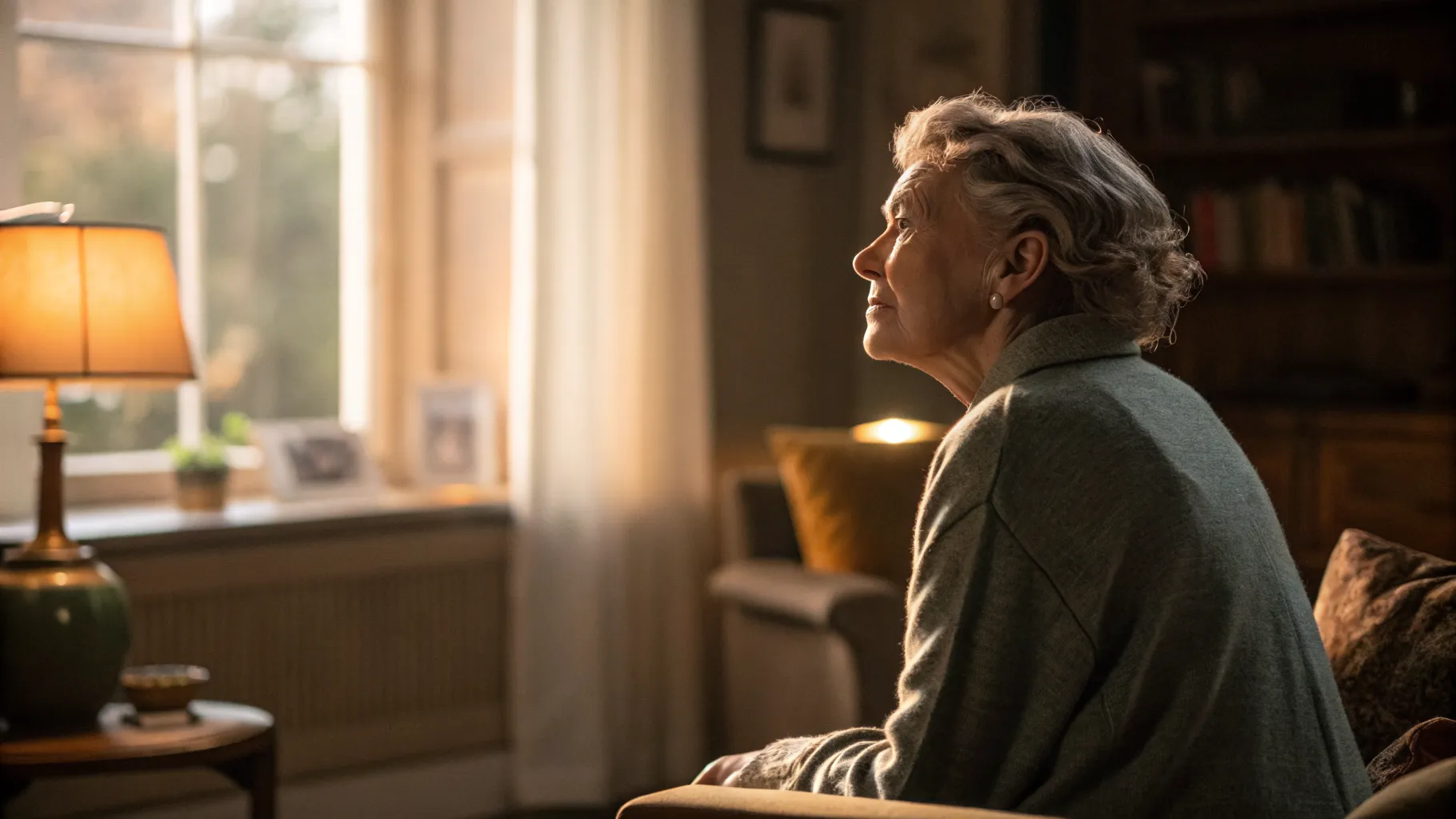
Subtle Manifestations: The Hidden Symptoms of Anxiety in Older Women
Unlike younger populations where anxiety might present with overt panic attacks or restlessness, elderly female anxiety often manifests through more insidious signs that are easily dismissed as normal aging or other health issues. Recognizing these subtle indicators is crucial for timely intervention and support. These geriatric anxiety signs can significantly impair daily functioning and overall well-being, yet they frequently go undiagnosed.
Physical Ailments and Somatic Complaints
One of the most common hidden symptoms of anxiety in senior women is an increase in physical complaints. This can include persistent headaches, chronic fatigue, muscle tension, gastrointestinal issues such as irritable bowel syndrome (IBS), and generalized aches and pains that lack a clear medical explanation. These symptoms are often treated individually, rather than being identified as part of a larger anxiety disorder. The constant physical discomfort can itself become a source of further distress, creating a vicious cycle for those experiencing anxiety in senior women.
Social Withdrawal and Isolation
While social withdrawal can be a symptom of depression, it is also a significant indicator of elderly female anxiety. Older women may start avoiding social gatherings, family events, or even routine outings like grocery shopping. This isn't always due to a lack of desire to socialize, but rather an overwhelming feeling of apprehension, fear of judgment, or a heightened sense of vulnerability in public spaces. The increasing isolation can exacerbate the anxiety, making it harder for individuals to seek help or maintain connections vital for their mental health in older women.
Sleep Disturbances and Restlessness
Difficulty falling asleep, frequent waking during the night, or waking up too early and being unable to return to sleep are classic signs of anxiety. In senior women, these sleep disturbances might be attributed to age-related changes or co-occurring medical conditions. However, persistent insomnia or restless sleep patterns, often accompanied by worries about health, finances, or family, are strong indicators of underlying anxiety in senior women. The chronic lack of restorative sleep further compounds feelings of unease and can lead to daytime fatigue and irritability, complicating the picture of geriatric anxiety signs.
Excessive Worry and Rumination
While everyone worries occasionally, excessive and uncontrollable worry about everyday events, health, finances, or family members is a hallmark of generalized anxiety. In older women, this rumination can be particularly intense and persistent, often consuming their thoughts for hours. They might repeatedly seek reassurance or express concerns that seem disproportionate to the actual situation. This constant mental activity, though often internal and not outwardly expressed as panic, is a significant hidden symptom of anxiety that can lead to significant distress and prevent effective problem-solving, impacting their overall mental health in older women.
Irritability and Agitation
Anxiety doesn't always present as sadness; it can also manifest as increased irritability, agitation, or a short temper. Senior women experiencing anxiety might become easily frustrated by minor inconveniences, snap at loved ones, or exhibit impatience that is uncharacteristic of their usual demeanor. This change in temperament can strain relationships and be misunderstood as a personality shift or a symptom of dementia, rather than being recognized as a coping mechanism for overwhelming internal distress. These geriatric anxiety signs are important to note for caregivers.
Distinguishing Anxiety in Senior Women from Other Conditions
It can be challenging to differentiate elderly female anxiety from other conditions common in older adults, such as depression or early-stage dementia. While there can be significant overlap, key distinctions exist. Depression often involves a pervasive loss of interest and pleasure, profound sadness, and a lack of energy, whereas anxiety primarily involves worry, fear, and physical tension. Early dementia might involve memory loss and cognitive decline, but intense, future-oriented worry is more characteristic of anxiety. A comprehensive assessment by a healthcare professional is essential to accurately diagnose and tailor treatment for the specific needs of individuals experiencing mental health in older women and its complex interplay of symptoms.
Practical Strategies for Addressing Geriatric Anxiety Signs
Effectively addressing anxiety in senior women requires a multi-faceted approach, focusing on early identification and tailored interventions. Recognizing the hidden symptoms of anxiety is the first crucial step towards improving their quality of life. Empowering older women to seek help and providing supportive environments are paramount in managing these challenging conditions and promoting better mental health in older women.
- Encourage Open Communication: Create a safe space where senior women feel comfortable discussing their feelings without fear of judgment. Regular, empathetic conversations can help uncover hidden symptoms of anxiety that might otherwise go unnoticed. Validate their experiences and reassure them that their feelings are legitimate and treatable.
- Promote Regular Physical Activity: Even light exercise, such as walking, yoga, or gentle stretching, can significantly reduce anxiety levels. Physical activity releases endorphins, which have mood-boosting effects, and provides a healthy outlet for pent-up energy and tension often associated with elderly female anxiety.
- Implement Mindfulness and Relaxation Techniques: Techniques like deep breathing exercises, meditation, and progressive muscle relaxation can help manage the physical symptoms of anxiety. These practices can teach senior women how to calm their nervous system and reduce the intensity of worry, thereby mitigating geriatric anxiety signs.
- Ensure Adequate Social Engagement: Combat social withdrawal by facilitating opportunities for meaningful social interaction. This could involve joining clubs, volunteering, or simply regular visits from family and friends. Reducing isolation is key to supporting mental health in older women and counteracting anxiety.
- Seek Professional Evaluation: If hidden symptoms of anxiety persist or worsen, it is critical to consult a healthcare provider. A doctor can rule out underlying medical conditions, assess for medication side effects, and recommend appropriate treatments, such as therapy (e.g., CBT) or medication, specifically tailored for anxiety in senior women.
Frequently Asked Questions
What are the most common hidden symptoms of anxiety in senior women?
The most common hidden symptoms of anxiety in senior women often include increased physical complaints like headaches or muscle tension, social withdrawal, sleep disturbances, excessive worry, and unexplained irritability or agitation. These symptoms can be easily mistaken for other conditions or normal aging, making them particularly challenging to identify.
Why is anxiety in senior women often overlooked?
Anxiety in senior women is frequently overlooked because its symptoms can be subtle and differ from how anxiety presents in younger individuals. They might be attributed to physical illnesses, side effects of medication, or simply dismissed as part of the aging process. Additionally, older women may be less likely to report mental health concerns due to stigma or a belief that their symptoms are not treatable.
Can lifestyle changes help manage elderly female anxiety?
Yes, lifestyle changes can significantly help manage elderly female anxiety. Regular physical activity, a balanced diet, adequate sleep, mindfulness practices, and strong social connections are all crucial components of a holistic approach. These changes can alleviate many geriatric anxiety signs and improve overall well-being, though professional help may still be necessary for persistent or severe cases.
When should a senior woman seek professional help for anxiety?
A senior woman should seek professional help for anxiety when her symptoms significantly interfere with her daily life, cause considerable distress, or do not improve with self-help strategies. It is particularly important to consult a doctor if physical symptoms of anxiety are present, if she is experiencing prolonged sadness or hopelessness, or if she has thoughts of self-harm. Early intervention for mental health in older women can lead to better outcomes.
Are there specific therapies effective for anxiety in senior women?
Yes, several therapies are effective for anxiety in senior women. Cognitive Behavioral Therapy (CBT) is often recommended, as it helps individuals identify and change negative thought patterns and behaviors contributing to anxiety. Relaxation techniques, mindfulness-based stress reduction, and support groups can also be beneficial. In some cases, medication might be considered, often in conjunction with therapy, under careful medical supervision.
References
- American Psychological Association. (n.d.). Anxiety in older adults.
- National Institute of Mental Health. (n.d.). Anxiety Disorders.
- World Health Organization. (n.d.). Mental health of older adults.
- Journal of Geriatric Psychiatry. (Various Articles on Anxiety).
- Geriatric Mental Health Foundation. (n.d.). Understanding Anxiety in Seniors.
Authored by 24Trendz team