Explore Advanced Night Vision for Sale: Cutting-Edge Devices and Technology
Quick Facts:
- Unparalleled clarity in darkness.
- Rapid advancements in low-light optics for tactical and hunting enthusiasts.
Unveiling the Future: Advanced Night Vision for Sale
In an increasingly complex world where visibility can be the ultimate advantage, the market for advanced night vision devices has exploded. These sophisticated tools, leveraging cutting-edge night vision technology, offer unparalleled clarity and situational awareness in conditions of minimal light. From professional security operations to recreational wildlife observation, understanding the nuances of what constitutes truly advanced night vision for sale is crucial for making an informed investment.
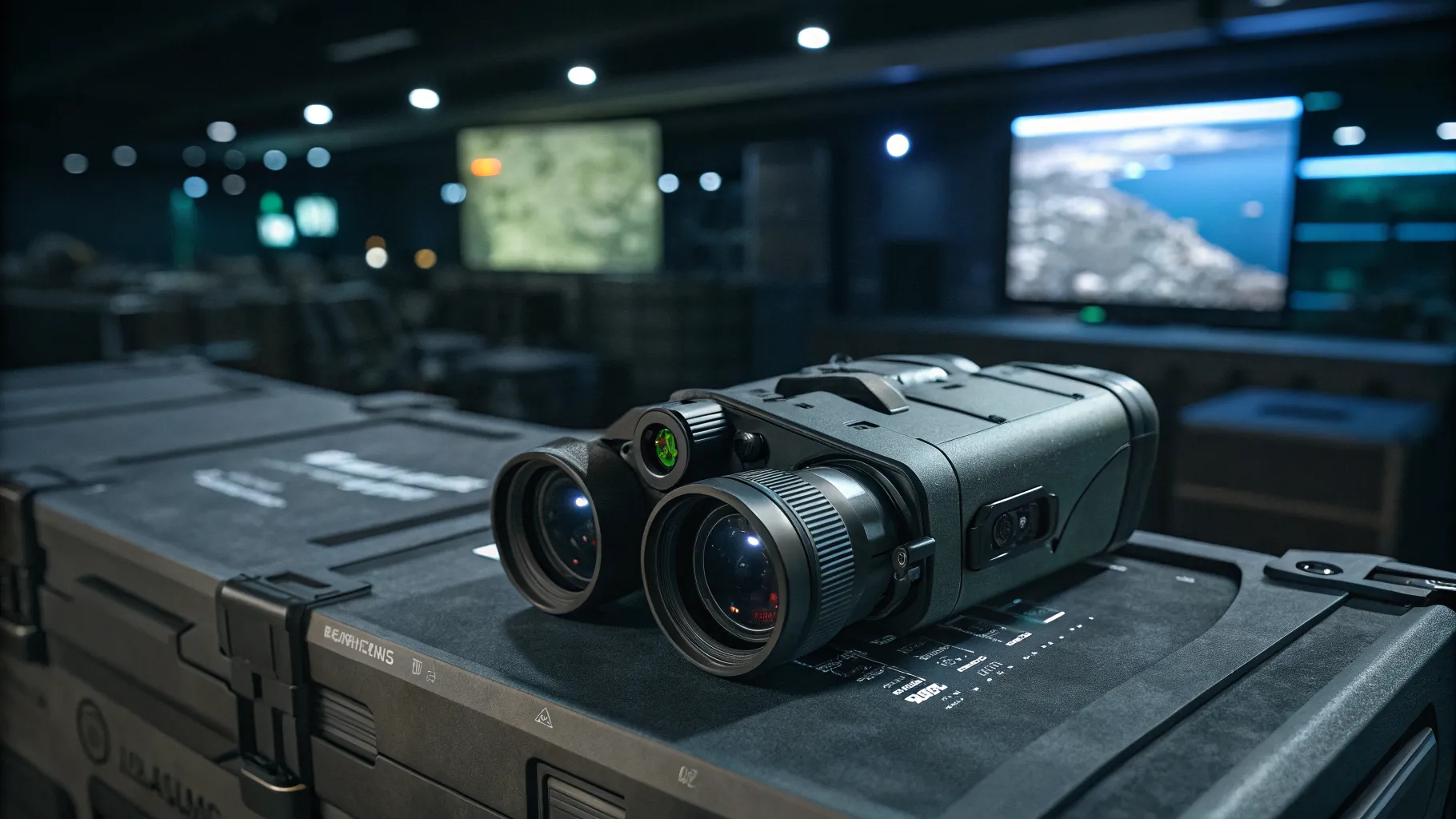
The Evolution of Night Vision Technology
The journey of night vision technology has been one of continuous innovation, transforming from bulky, generation 1 devices into the compact, high-performance units available today. Early models primarily relied on image intensifier tubes that amplified ambient light, often producing grainy, green-tinted images. Modern advancements, however, have ushered in an era of superior clarity and broader applications. Today's advanced night vision devices leverage highly sophisticated photon amplification, with Gen 3+ tubes offering drastically improved resolution, sensitivity, and reduced halo effects. Simultaneously, the rise of digital night vision has introduced features like full-color viewing, high-definition recording capabilities, and seamless integration with other digital systems, pushing the boundaries of what was once considered possible in low-light environments.
Exploring Different Types of Advanced Night Vision Devices
Digital Night Vision Systems
Digital night vision represents a significant leap forward, utilizing highly sensitive CMOS or CCD sensors instead of traditional image intensifier tubes. These devices capture ambient light and convert it into a digital signal, which is then processed and displayed on an internal screen. Key advantages include their resilience to bright light exposure, the ability to record video and capture still images, and often, full-color display options in certain light conditions. Many digital units also feature built-in IR illuminators and connectivity features, making them highly versatile for surveillance, hunting, and general observation. When considering advanced night vision for sale, digital options offer a compelling blend of performance and modern features.
Thermal Imaging Scopes
Unlike traditional night vision, thermal imaging scopes do not rely on visible light. Instead, they detect heat signatures emitted by objects, allowing users to 'see' in absolute darkness, through smoke, fog, and light foliage. This makes them indispensable for applications where traditional night vision might be hindered, such as tracking game, identifying intruders, or search and rescue operations. Modern thermal devices boast incredibly sensitive sensors, high refresh rates, and various color palettes to highlight temperature differences. While often more expensive, their ability to cut through visual obscurants provides a unique tactical advantage, making them a premium choice for truly advanced night vision devices.
Image Intensifier (I2) Night Vision
Image Intensifier (I2) night vision remains a cornerstone of military-grade night vision and high-performance civilian applications. These devices amplify existing ambient light (moonlight, starlight) many thousands of times to produce a visible image. Generations 2 and 3 are particularly common, with Gen 3+ being the most advanced, featuring gallium arsenide photocathodes for vastly improved performance in extremely low light and enhanced image clarity. While typically monochromatic (green phosphor being most common), their passive nature means they don't emit any detectable light, offering stealth and superior detection range in appropriate conditions. Understanding the generation of the I2 tube is paramount when evaluating advanced night vision for sale in this category.
Key Features to Consider When Buying Advanced Night Vision for Sale
When seeking advanced night vision for sale, a thorough comparison of available options is crucial. Consider the resolution and clarity: higher resolution, whether measured in line pairs per millimeter for I2 or pixel count for digital, translates to a sharper, more detailed image. The field of view (FOV) is another critical factor; a wider FOV is beneficial for situational awareness, while a narrower FOV might be preferred for long-range observation. Battery life is paramount for extended operations, so assess power consumption and compatibility with external battery packs. Detection and recognition ranges are also key metrics, indicating how far you can identify an object versus merely spotting it. Finally, evaluate the device's durability and environmental ratings. A rugged, waterproof design is essential for use in challenging outdoor conditions, ensuring your advanced night vision devices can withstand the elements.
Maximizing Your Investment in Night Vision
- Understand Your Application: Before looking for advanced night vision for sale, clearly define your primary use case, whether it's hunting, surveillance, search and rescue, or tactical operations. This will dictate the necessary features like magnification, field of view, and durability requirements.
- Research Current Technologies: Stay informed about the latest advancements in night vision technology, including newer generations of image intensifiers, improved digital sensors, and enhanced thermal imaging capabilities. New models offer better performance and often come with additional features.
- Prioritize Optical Quality: High-quality optics are paramount for clear images. Look for devices with multi-coated lenses and robust construction. A device with superior optical clarity will provide a better viewing experience, especially with digital night vision.
- Evaluate Ergonomics and Durability: Consider the weight, size, and build quality. For field use, a rugged, weather-resistant design is crucial. Assess how easy it is to operate controls with gloves and in dark conditions.
- Check Battery Life and Power Options: Long battery life is essential for extended operations. Investigate if the device supports rechargeable batteries or external power sources, which can be a significant advantage for prolonged use.
Frequently Asked Questions
What makes night vision advanced?
Advanced night vision devices are characterized by superior image intensification tubes (Gen 3+), high-resolution digital sensors, integrated thermal capabilities, and features like video recording, GPS, and Wi-Fi connectivity. These advancements provide clearer images, longer detection ranges, and greater versatility compared to older generations of night vision technology.
Can I use thermal imaging scopes in broad daylight?
Yes, thermal imaging scopes can be used effectively in broad daylight without damaging the device. Unlike traditional night vision that can be damaged by bright light, thermal imagers detect heat, which is present regardless of ambient light conditions. This makes them highly versatile for daytime and nighttime observation, particularly for detecting objects hidden by camouflage or light cover.
Are military-grade night vision devices available to civilians?
Many forms of military-grade night vision, particularly Gen 2+ and some Gen 3 models, are indeed available for civilian purchase, often through specialized dealers. However, certain highly advanced or export-restricted technologies may require special licensing or may not be available for civilian ownership, depending on local and national regulations. Always check local laws and regulations regarding the purchase and ownership of advanced night vision devices.
References
- Industry reports on optical systems advancements.
- Publications on military and civilian night vision applications.
- Technical specifications from leading night vision manufacturers.
- Studies on sensor technology in low-light environments.
Authored by 24Trendz team