10 Night Galapagos Islands Expedition Cruise 2026: The Ultimate Guide
Facts:
- The Galapagos Islands are home to 26 native reptile species.
- Sustainable tourism is a growing trend for all Ecuador travel.
An Unforgettable 10-Night Voyage Through Darwin's Enchanted Isles
Embarking on a 10-night journey through the Galapagos Archipelago is more than a vacation; it's a deep dive into a living laboratory of evolution. This extended itinerary allows for unparalleled access to the remote and pristine islands that shorter trips simply cannot reach. An expedition cruise is the definitive way to experience this UNESCO World Heritage site, offering daily excursions led by naturalist guides who illuminate the secrets of the incredible Galapagos wildlife. Prepare for an intimate encounter with nature, where volcanic landscapes and turquoise waters reveal creatures found nowhere else on Earth. This is the pinnacle of luxury adventure, combining comfort aboard your vessel with raw, untamed wilderness.
Your Day-by-Day Galapagos Expedition Itinerary
A 10-night voyage offers a comprehensive exploration of the archipelago's diverse ecosystems. While specific routes may vary between vessels, this detailed itinerary provides a glimpse into the extraordinary experiences that await on your expedition cruise. Each day presents a new island and new opportunities to witness unique Galapagos wildlife.
Day 1: Arrival in Baltra & Boarding
Your journey begins with a flight from mainland Ecuador to Seymour Airport on Baltra Island. Upon arrival, you'll be greeted by your naturalist guide and transferred to your vessel. After settling in and a safety briefing, you may have your first excursion, often a short trip to a nearby beach to spot sea lions and marine iguanas.
Day 2: North Seymour Island & Bachas Beach
North Seymour is a haven for birdwatchers. Here, you'll walk among nesting blue-footed boobies, magnificent frigatebirds with their inflated red gular sacs, and swallow-tailed gulls. In the afternoon, Bachas Beach on Santa Cruz Island offers swimming, snorkeling, and the chance to see flamingoes in a saltwater lagoon.
Day 3: Genovesa Island (Tower Island)
Known as 'Bird Island,' Genovesa is a collapsed volcano caldera that provides a dramatic backdrop for wildlife viewing. A climb up Prince Philip's Steps reveals colonies of red-footed boobies and Nazca boobies. The bay is also an excellent spot for snorkeling with sea lions, a key part of any Ecuador travel experience to the islands.
Day 4: Bartolome Island & Sullivan Bay
Bartolome offers one of the most iconic views in the Galapagos. A hike to the summit of this volcanic cone rewards you with a panoramic vista of the surrounding islands and Pinnacle Rock. Snorkeling with Galapagos penguins is a major highlight here. Later, explore the pahoehoe lava flows at Sullivan Bay on Santiago Island.
Day 5: Isabela Island - Urbina Bay & Tagus Cove
Isabela is the largest island in the archipelago. At Urbina Bay, you might see giant tortoises and land iguanas, evidence of a dramatic geological uplift that occurred in 1954. Tagus Cove, a historic anchorage for pirates and whalers, offers a hike to a crater lake and opportunities for deep-water snorkeling.
Day 6: Fernandina Island & Isabela's Punta Espinoza
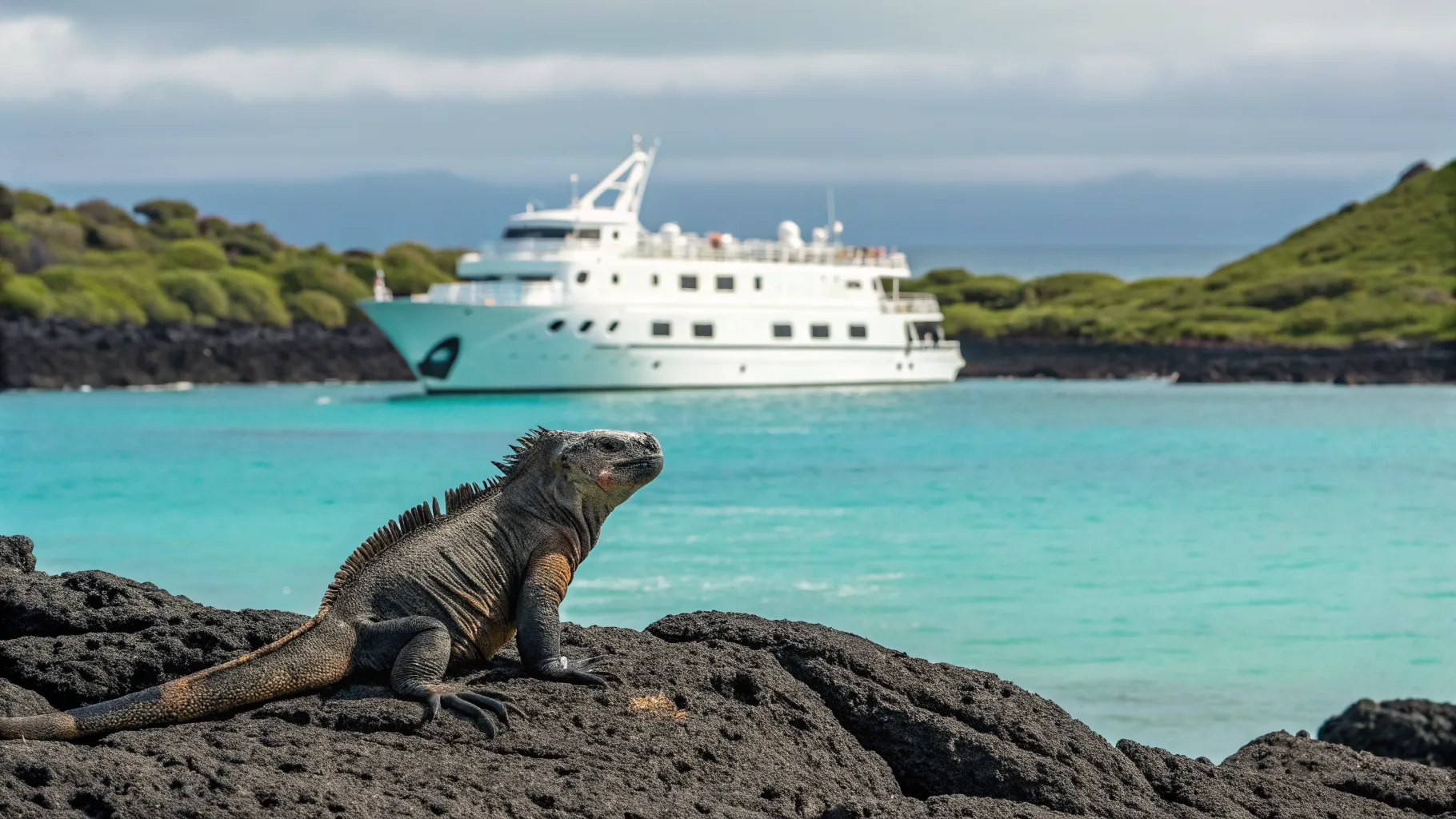
Fernandina is the youngest and most volcanically active island. Punta Espinoza is a narrow spit of land where you'll navigate around hundreds of marine iguanas sunning themselves on the black lava rocks. The area is also home to flightless cormorants, sea lions, and Sally Lightfoot crabs.
Day 7: Santa Cruz Island - Charles Darwin Research Station
Visit the town of Puerto Ayora and the famous Charles Darwin Research Station. Learn about the vital conservation efforts, including the giant tortoise breeding program. This is an essential stop to understand the challenges and successes of preserving the unique Galapagos wildlife.
Day 8: Floreana Island - Post Office Bay & Punta Cormorant
Participate in a unique tradition at Post Office Bay by leaving a postcard in a barrel for another traveler to hand-deliver. At Punta Cormorant, a green-tinged beach and a flamingo lagoon await. The clear waters here are also popular for spotting sea turtles and rays while snorkeling.
Day 9: Española Island - Punta Suarez & Gardner Bay
Española is the southernmost island and a highlight for many. Punta Suarez is teeming with wildlife, including the famous waved albatross (seasonal), blue-footed boobies, and colorful marine iguanas. Gardner Bay offers a beautiful white sand beach perfect for relaxing with playful sea lions.
Day 10: San Cristobal Island & Departure
Your final day involves a visit to the Interpretation Center on San Cristobal Island to learn about the geological and human history of the islands. Afterwards, you will be transferred to the airport for your flight back to the mainland, concluding your unforgettable luxury adventure.
Choosing Your Adventure: Zodiacs, Kayaks, and Snorkeling
A key component of any expedition cruise is the variety of ways you get to explore the environment. Your daily activities will typically involve a mix of wet and dry landings, but the real magic happens on and in the water. Zodiacs (small inflatable boats) are the workhorses of the expedition, ferrying you to remote landing sites and allowing for close-up views of coastal wildlife like penguins and sea lions. Kayaking offers a more serene, self-propelled way to explore mangrove forests and volcanic shorelines. Snorkeling, however, is perhaps the most immersive experience, bringing you face-to-face with playful sea lions, marine turtles, sharks, and a kaleidoscope of reef fish. This diverse approach ensures you experience the full spectrum of the incredible Galapagos wildlife from every possible angle.
Preparing for Your Galapagos Expedition Cruise
Proper preparation is key to maximizing your enjoyment of this unique destination. Here are some essential tips to ensure your Ecuador travel is smooth and comfortable:
- Pack Light and Smart: Bring lightweight, quick-drying clothing that you can layer. Include a rain jacket, swimwear, a hat, and polarized sunglasses. Water shoes or sturdy sandals are essential for wet landings.
- Camera and Binoculars: The wildlife opportunities are endless. A good camera with a zoom lens and a pair of binoculars are must-haves to capture every moment. Don't forget extra batteries and memory cards.
- Sun Protection: The equatorial sun is incredibly strong. High-SPF, reef-safe sunscreen is non-negotiable. A long-sleeved rash guard is also highly recommended for snorkeling.
- Seasickness Medication: While modern expedition vessels are very stable, open-ocean crossings can be choppy. If you are prone to motion sickness, consult your doctor about preventative medication before you travel.
- Embrace the Disconnect: Internet access is limited and expensive. See this as an opportunity to disconnect from the digital world and fully immerse yourself in the natural wonders surrounding you on your luxury adventure.
Frequently Asked Questions
What is the best time of year for a Galapagos expedition cruise?
The Galapagos is a year-round destination. The warm and wet season (December-May) offers calmer seas and is ideal for snorkeling. The cool and dry season (June-November) brings more plankton, attracting more marine life, and is the key breeding season for many sea birds.
Is a 10-night cruise significantly better than a shorter one?
Yes. A 10-night expedition cruise allows you to visit the more remote western and northern islands like Fernandina and Genovesa, which are often excluded from shorter itineraries. This provides a more comprehensive experience and a chance to see a wider variety of endemic Galapagos wildlife.
What kind of physical fitness is required for this trip?
Most activities require a moderate level of fitness. You should be comfortable walking on uneven, rocky terrain for a couple of hours and getting in and out of small boats (Zodiacs). There are usually options for different activity levels, but an adventurous spirit is a must for this luxury adventure.
References
- Galapagos National Park Directorate
- Charles Darwin Foundation
- UNESCO World Heritage Centre - Galapagos Islands
- Ecuador Ministry of Tourism
Authored by 24Trendz team